
Patents Published
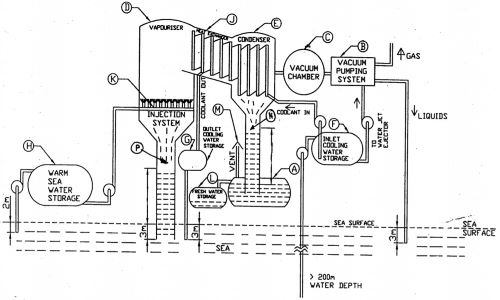
- A Process For Desalination Of Sea Water And A System Thereof
- Name of the Faculty : Dr. Abraham Ebenezer Muthunayagam
- Application No : 722/MAS/2001
- Publication Date : 2010-06-18
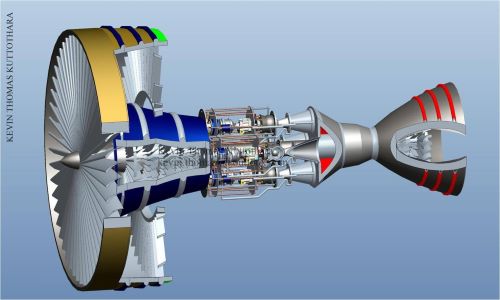
- Modified expander re-heat cycle within a spherical combustor for gas turbine and other applications
- Name of the Faculty : Dr. L. Godson Asirvatham, Professor and Kevin Thomas Kuttothara
- Application No : 6923/CHE/2015
- Publication Date : 2017-06-23
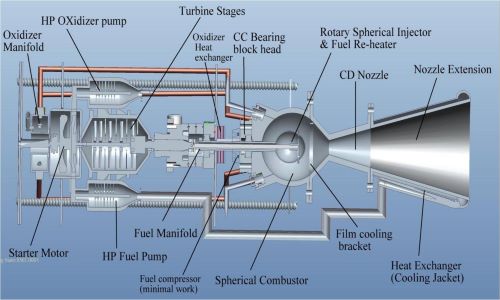
- Rotating spherical fuel injector within a spherical combustor for gas turbine and other applications
- Name of the Faculty : Dr. L. Godson Asirvatham, Professor and Kevin Thomas Kuttothara
- Application No : 6924/CHE/2015
- Publication Date : 2017-06-23
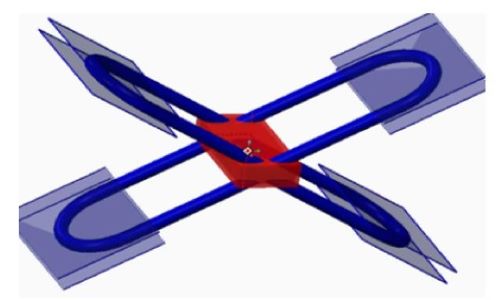
- Mini Loop Thermosyphons
- Name of the Faculty : Dr. Lazarus Godson Asirvatham and Trijo Tharayil
- Application No : 201741029966
- Publication Date : 2017-10-27
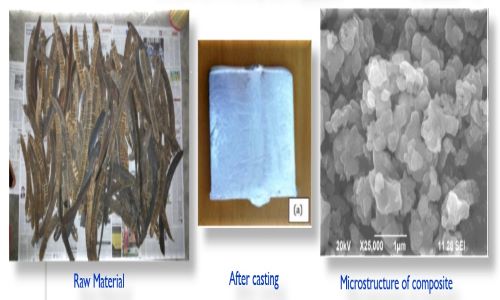
- Pod Ash as reinforcement to Metal Matrix Composites
- Name of the Faculty : Dr. Thomas Victor Christy and Jerin Jose
- Application No : 201741029943
- Publication Date : 2017-10-27
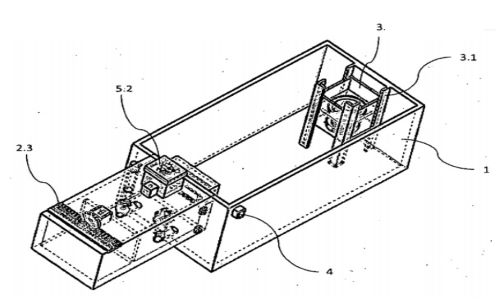
- A Smart Mosquito Control Fish Tank and a Method to feed Mosquito Larvae and Live insects to Aquarium
- Name of the Faculty : Mr. I. Kantharaj, Asst. Professor
- Application No : 201841037304
- Publication Date : 12.10.2018
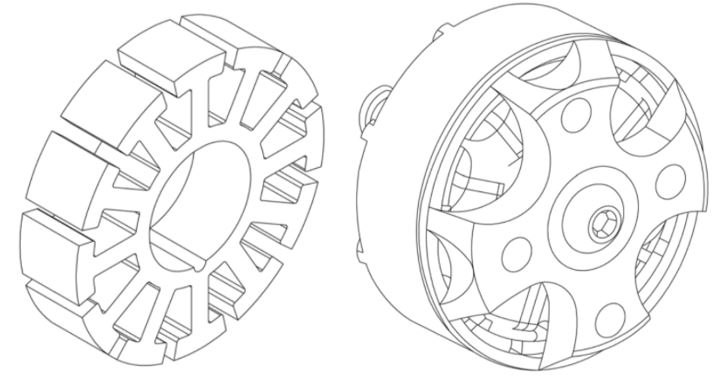
- Brushless DC Motor Core made of Aluminum Metal Matrix Composites (Korean Patent)
- Name of the Faculty : Dr. S.J. Vijay, Associate Professor
- Application No : 10-2018-0147555
- Publication Date : 26.11.2018
- Brushless DC Motor Core made of Aluminum Metal Matrix Composites (International Patent)
- Name of the Faculty : Dr. S.J. Vijay, Associate Professor
- Application No : PCT/KR2018/014701
- Publication Date : 28.11.2018
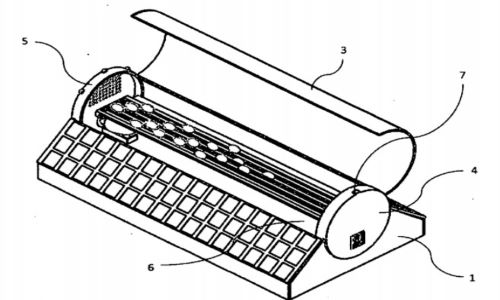
- Hybrid Solar EGG Incubator
- Name of the Faculty : Mr. I. Kantharaj, Asst. Professor
- Application No : 201841043434
- Publication Date : 30.11.2018
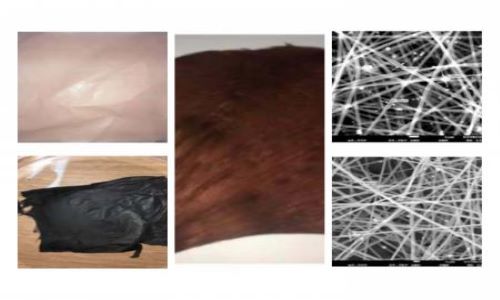
- PAN-Fe2O3 magnetic composites and manufacturing method thereof (Korean Patent)
- Name of the Faculty : Dr. S.J. Vijay, Associate Professor
- Application No : 10-2018-0170239
- Publication Date : 27.12.2018
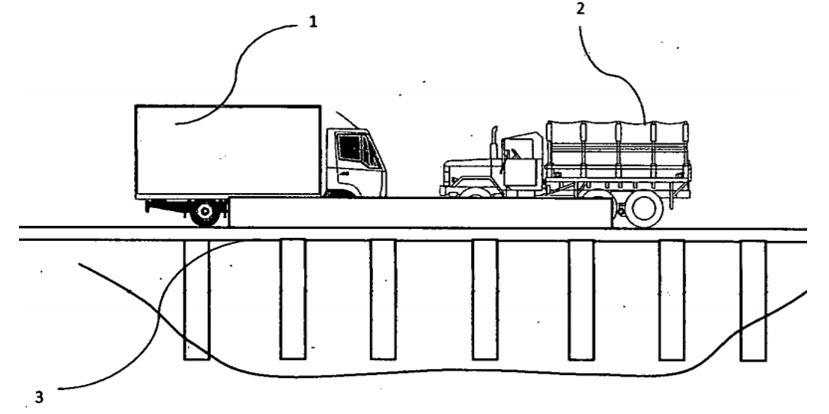
- An Intelligent Traffic Monitoring and Controling System for Narrow Bridges and Sharp Turns
- Name of the Faculty : Mr. I. Kantharaj, Asst. Professor
- Application No : 201941018344
- Publication Date : 17.05.2019
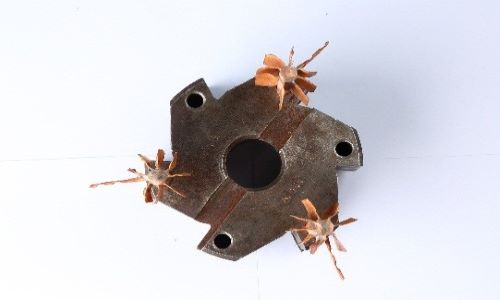
- Multi Finned Heat Pipe Embedded Boring Tool
- Name of the Faculty : Mr. I. Kantharaj, Asst. Professor
- Application No : 201941032859
- Publication Date : 20.09.2019
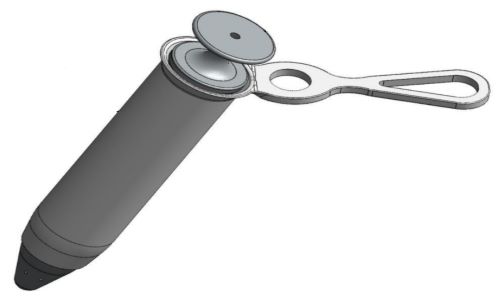
- Specnoscope - A Medical Device for Cervical Cancer Screening
- Name of the Faculty : Dr. Gadudasu Babu Rao, Asst. Professor and Mr. R. Jobel Jose (PRK17ME6005), Mr. Tummuru Vijay Kanth (UR15ME081), Dr. J. Gnanaraj, KITS
- Application No : 201941048985
- Publication Date : 13.12.2019
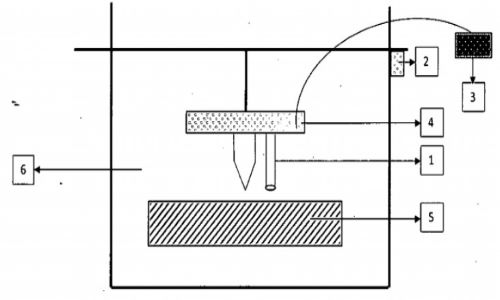
- Insitu-Analysis of Each Layer of 3D Printing
- Name of the Faculty : Mrs. C. Prabha, Asst. Professor
- Application No : 202041000087
- Publication Date : 10.01.2020
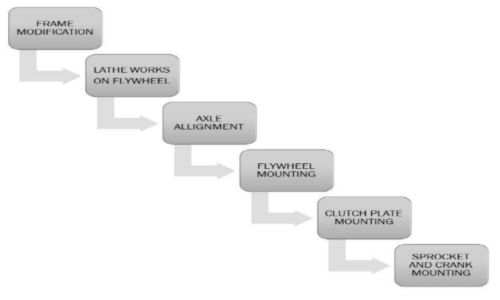
- Method of Energy Recovery System using Bicycle Flywheel
- Name of the Faculty : Dr. Malkiya Rasalin Prince, Asst. Professor
- Application No : 202041002381
- Publication Date : 31.01.2020
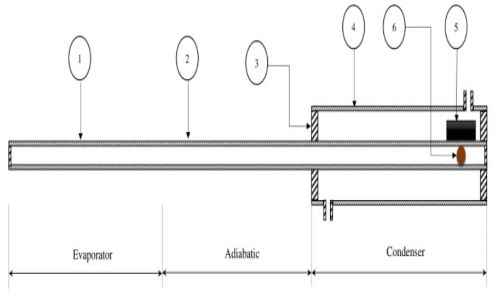
- Mangnetically Assisted Heat Pipe for Thermal Control
- Name of the Faculty : Dr. Brusly Solomon, Asso. Professor Mr. Joshua Prince (UR15ME104), Mr. Sanjay Santhosh Cherian (UR15ME083)
- Application No : 202041011073
- Publication Date : 20.03.2020
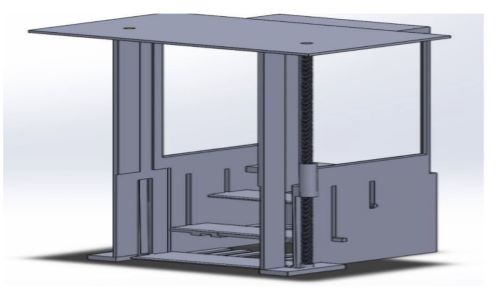
- An Escalator for Lifting the Elderly or Physically Challenged Person from Ground Level
- Name of the Faculty : Dr. G. Babu Rao,Dr. Praveen Kumar Bannaravuri,Dr. M. Wilson Kumar,Mr. Alfred Sunny,Dr. Mona Sahu,Mr. Y. Wilburt Moses Paul (PR14ME1004),Mr. Rohit Scariah Reji (UR15ME124),Mr. Sam Jeffrey Praveen(UR16ME157)
- Application No : 202041019684
- Publication Date : 29.05.2020
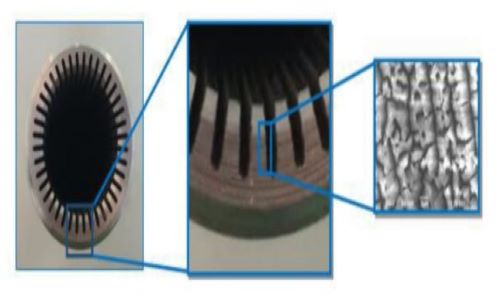
- Anodized micro fins for enhanced heat transfer in heat pipes with ammonia as working fluid
- Name of the Faculty : Dr. A. Brusly Solomon,Mr. A. L. Sriram Sudhan (RRK17ME002)
- Application No : 202041020927
- Publication Date : 05.06.2020
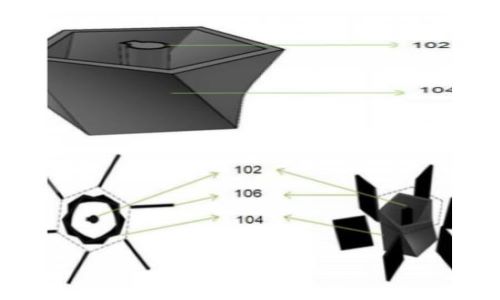
- Zero powered Motor
- Name of the Faculty : Mr.K. SUMANTH RATNA (URK17ME234)
- Application No : 202041021841
- Publication Date : 12.06.2020
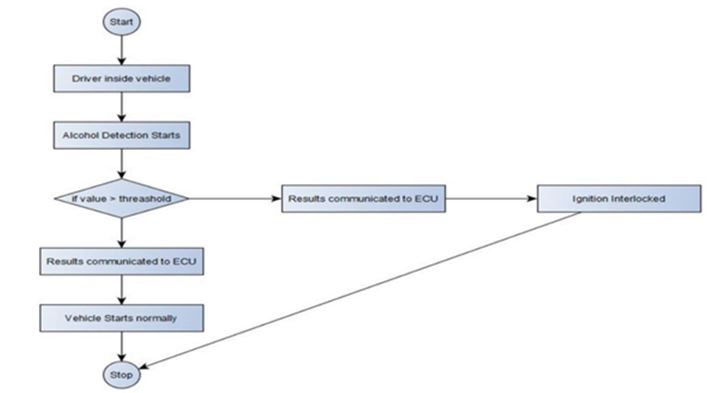
- Alcohol Detector Embedded in Vehicles Seat Belt
- Name of the Faculty : Mr.K. SUMANTH RATNA (URK17ME234)
- Application No : 202011018414
- Publication Date : 19.06.2020
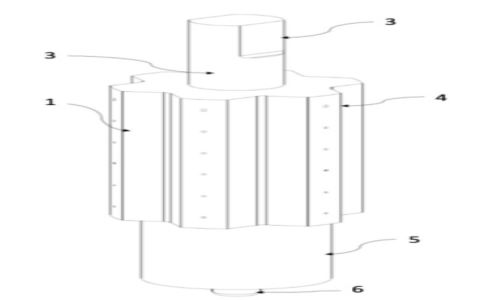
- A Friction Stir Welding Device and the Method Involved Thereof
- Name of the Faculty : Dr. S.J. Vijay,Dr. Brusly Solomon,Mr. Sharon Topno (UR14ME201)
- Application No : 202041037266
- Publication Date : 11.09.2020
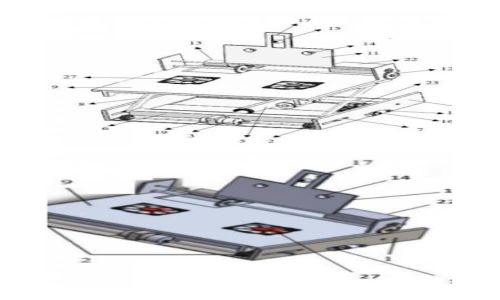
- An Artificial Intelligent Ergonomic Stand for Laptop
- Name of the Faculty : Dr. Mona Sahu,Dr. G. Babu Rao,Dr. M. Wilson Kumar,Dr. S.J. Vijay,Mr. Paga Jacob Basil Roy (UR16ME048),Mr. Konduru Srinivasa Chankravarthy (UR16ME030),Mr. Dokka Prem Prasanth (UR16ME024)
- Application No : 202041050701
- Publication Date : 04.12.2020
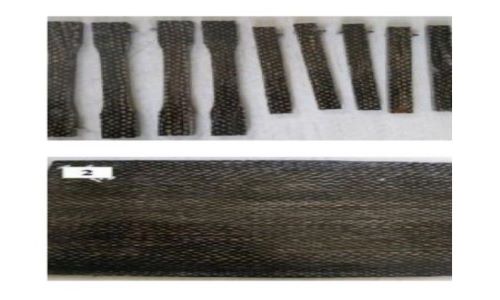
- Process of Preparing MWCNT, ABACA Fiber and Epoxy based Reinforced Nanocomposite Laminate and Product Thereof
- Name of the Faculty : Mr. Rittin Abraham Kurien (RP16ME012),Dr. D. Philip Selvaraj
- Application No : 202041046417
- Publication Date : 15.01.2021
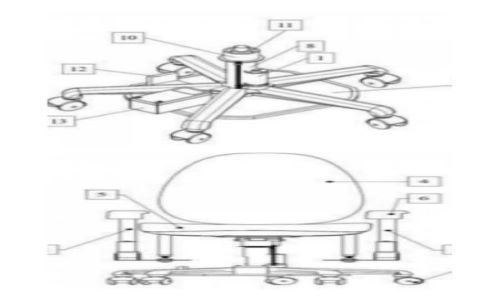
- Intelligent Ergo computer Chair
- Name of the Faculty :Dr. Mona Sahu,Dr. S.J. Vijay,Dr. M. Wilson Kumar,Dr. G. Babu Rao,Mr. Emmanuel Desouza,Mr. Ezekiel Samuel Walter (UR14ME021)
- Application No : 202041046653
- Publication Date : 15.01.2021
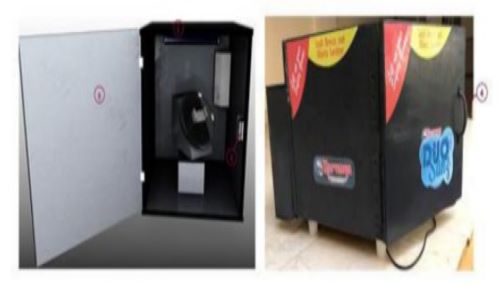
- An Improved 360-Degree Sanitizing Machine 'DUOSANZ' Machining System
- Name of the Faculty : Dr. Tapas Debnath
- Application No : 202141007237
- Publication Date : 26.02.2021
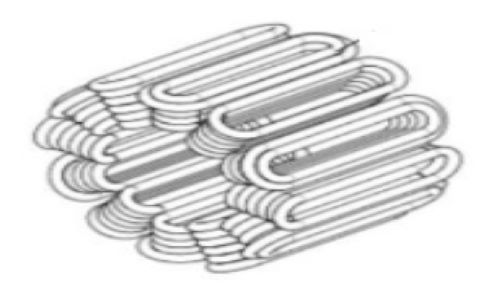
- A Half Coil Manufactured form a Novel Composition for Brushless DC Motor Windings with Improved Efficiency
- Name of the Faculty :Dr. S.J. Vijay
- Application No : 202141016081
- Publication Date : 04.04.2021
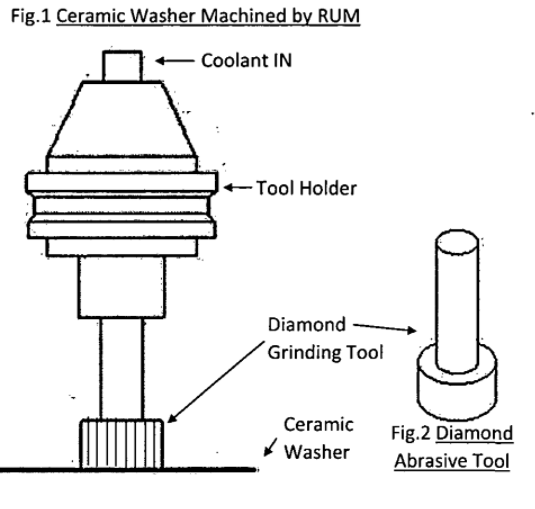
- Production Method Of Ceramic Washer Using Rotational Ultrasonic Machining Process
- Name of the Faculty :Dr. Arul Kirubakaran
- Application No : 202141019802
- Publication Date : 07.05.2021
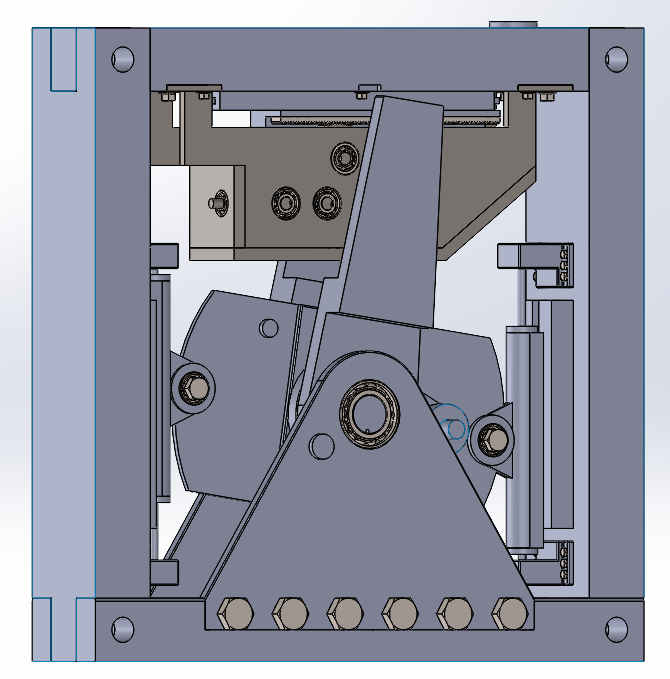
- Self-Tuning of Mangnetorheological Damper by Self-Power Mechanism
- Name of the Faculty :Dr. P. Sam Paul, Mr. M A Mohammed Jazeel(RR16ME001)
- Application No : 201941049134
- Publication Date : 04.06.2021
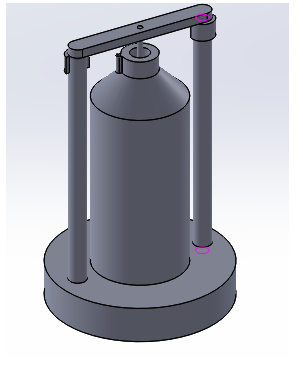
- Measurement of Viscosity for Magnetorheological Fluid
- Name of the Faculty :Dr. P. Sam Paul, Mr. M A Mohammed Jazeel (RR16ME001)
- Application No : 201941049119
- Publication Date : 04.06.2021
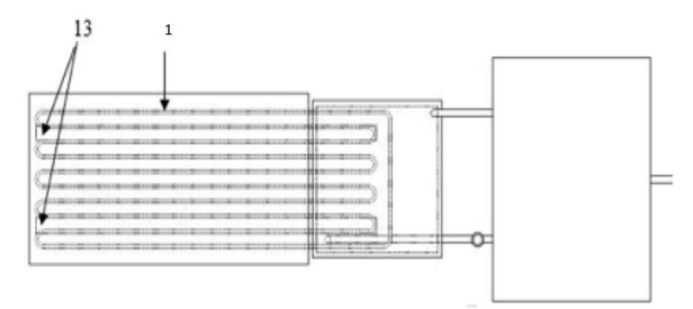
- A Coolant Pipe for Concrete Roof
- Name of the Faculty :Dr. Lazarus Godson Asirvatham
- Application No : 202141021161
- Publication Date : 11.06.2021
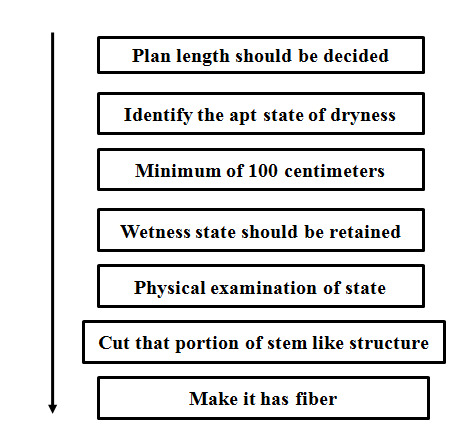
- Smilax Zeylanicalinn Fiber Reinforced Polymer Composite Manufacturing
- Name of the Faculty :Dr. Malkiya Rasalin Prince, Dr. Arul Kirubakaran
- Application No : 202141025201
- Publication Date : 18.06.2021
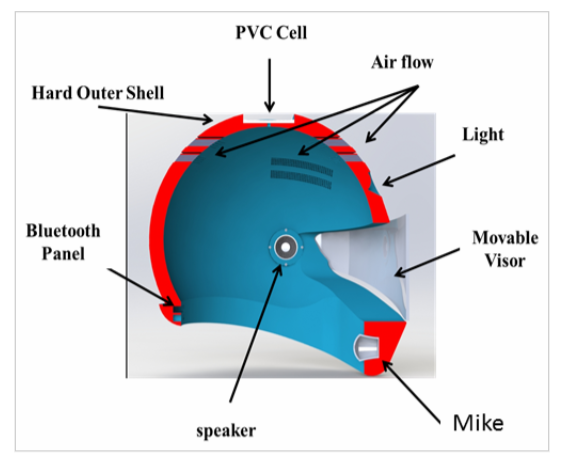
- Smart Helmet Inbuilt Wireless Communication KIT and System
- Name of the Faculty :Dr. Arul Kirubakaran
- Application No : 202141028849
- Publication Date : 09.07.2021
- Analysis Of The Intensive Situation In Smooth Components That Are Stressed Under Conditions Of Multiaxial Fatigue
- Name of the Faculty : Dr. Malkiya Rasalin Prince, KITS
- Application No : 202141040829
- Publication Date : 24.09.2021
- IOT Based Modern Utensil Washing Machine
- Name of the Faculty : Dr. M. Suresh, KITS
- Application No : 202141054026
- Publication Date : 10.12.2021
- Synthesis of Armors & Cases for Mobile Computing Devices Using Chopped Areca Fiber Epoxy Composites
- Name of the Faculty : Mr. Aju Jo Sankarathil (RPK18ME004), Dr. R. Raja, Dr. S.J. Vijay
- Application No : 202241006800
- Publication Date : 11.02.2022
- Improved Backing Plates with Cooling for Friction Stir processing
- Name of the Faculty : Dr. R. Raja, Dr. S.J. Vijay, Dr. Tapas Debnath, Dr. Sabitha Jannet, Dr. L. Godson Asirvatham
- Application No : 202241009227
- Publication Date : 11.03.2022
- An Automated Projectile Loader and a Method of Loading Projectiles for a Vehicle
- Name of the Faculty : Dr. Rajakumar S. Rai, Mr. R. Roshan Samuel Raja
- Application No : 202111003860
- Publication Date : 23.09.2022
- Specnoscope Plus – An Indigenous Cervical Cancer Screening Unit
- Name of the Faculty : Dr. Gadudasu Babu Rao, Mr. Limson Mathew, Dr. Kumuda Raimond, Dr. D. Sujitha Juliet, Dr. Kurinji Priya
- Application No : 202241060190
- Publication Date : 04.11.2022
- Rotating Spherical Fuel Injector within a Spherical Combustor for Gas Turbine and Other Applications
- Name of the Faculty : Dr. Lazarus Godson Asirvatham, Kevin Thomas Kuttothara
- Application No : 6924/CHE/2015
- Publication Date : 23.06.2017
- Process of Preparing MWCNT, Abaca Fiber and Epoxy Based Reinforced Nanocomposite Laminate and Product Thereof
- Name of the Faculty : Mr. Rittin Abraham Kurien, Dr. D. Philip Selvaraj
- Application No : 202041046417
- Publication Date : 15.01.2021
- A System of Power Generating Tile
- Name of the Faculty : Pullanikkat Abishek
- Application No : 202341042327
- Publication Date : 01.09.2023
- Smart Vacuum Salon Chair System
- Name of the Faculty : Pullanikkat Abishek, Sakhineti Joel Varma, P. B. Febin Joseph, Dr. Godson Asirvatham
- Application No : 202341051113
- Publication Date : 01.09.2023
- An Artificial Intelligent Ergonomic Stand for Laptop
- Name of the Faculty : Dr. Mona Sahu, Dr. G. Babu Rao, Dr. M. Wilson Kumar, Dr. S. J. Vijay, Mr. Paga Jacob Basil Roy, Mr. Konduru Srinivasa Chankravarthy, Mr. Dokka Prem Prasanth
- Application No : 202041050701
- Publication Date : 04.12.2020
- Multi Finned Heat Pipe Embedded Boring Tool
- Name of the Faculty : Dr. I. Kantharaj, Dr. M. Sekar
- Application No : 201941032859
- Publication Date : 20.09.2019
- A Coolant Pipe for Concrete Roof
- Name of the Faculty : Dr. Trijo Tharayil, Dr. L. Godson Asirvatham
- Application No : 202141021161
- Publication Date : 11.06.2021
- Anodized Micro Fins for Enhanced Heat Transfer in Heat Pipes with Ammonia as Working Fluid
- Name of the Faculty : Dr. A. Brusly Solomon, Mr. A. L. Sriram Sudhan
- Application No : 202041020927
- Publication Date : 05.06.2020
- Cost-Effective Temperature-Controlled Flask for Drinking Water
- Name of the Faculty : Dr. A. Brusly Solomon, Mr. A. Daya, Mr. R. Jayaseelan
- Application No : 202341081675
- Publication Date : 29.12.2023
- A Friction Stir Welding Device and the Method Involved Thereof
- Name of the Faculty : Dr. S. J. Vijay, Mr. Sharon Topno, Dr. A. Brusly Solomon
- Application No : 202041037266
- Publication Date : 11.09.2020
- Modified Expander Re-Heat Cycle within a Spherical Combustor for Gas Turbine and Other Applications
- Name of the Faculty : Dr. L. Godson Asirvatham, Mr. Kevin Thomas Kuttothara
- Application No : 6923/CHE/2015
- Publication Date : 23.06.2017
- Velocity Induced Thermosyphon System Embedded with Convergent Divergent Nozzle to Enhance the Velocity of the Working Fluid
- Name of the Faculty : Mr. Bairi Levi Rakshith, Dr. L. Godson Asirvatham, Dr. Anitha Angeline Appadurai
- Application No : 202441000631
- Publication Date : 09.02.2024
- A Half Coil Manufactured from a Novel Composition for Brushless DC Motor Windings with Improved Efficiency
- Name of the Faculty : Dr. S. J. Vijay
- Application No : 202141016081
- Publication Date : 16.04.2021
- Intelligent Ergocomputer Chair
- Name of the Faculty : Dr. Mona Sahu, Dr. S. J. Vijay, Dr. M. Wilson Kumar, Dr. G. Babu Rao, Mr. Emmanuel Desouza, Mr. Ezekiel Samuel Walter
- Application No : 202041046653
- Publication Date : 15.01.2021
- Improved Backing Plates with Cooling for Friction Stir Processing
- Name of the Faculty : Dr. R. Raja, Dr. S. J. Vijay, Dr. Tapas Debnath, Dr. Sabitha Jannet, Dr. L. Godson Asirvatham
- Application No : 202241009227
- Publication Date : 11.03.2022
- Hybrid Power Source System for Elevators
- Name of the Faculty : Prawin Angel Michael, Dr. S. J. Vijay, H. Victor Du John
- Application No : 202241022817
- Publication Date : 13.05.2022
- Mini Loop Thermosyphons
- Name of the Faculty : Dr. Lazarus Godson Asirvatham, Trijo Tharayil
- Application No : 201741029966
- Publication Date : 27.10.2017
- Specnoscope – A Medical Device for Cervical Cancer Screening
- Name of the Faculty : Dr. Gadudasu Babu Rao, Mr. R. Jobel Jose, Mr. Tummuru Vijay Kanth, Dr. J. Gnanaraj
- Application No : 201941048985
- Publication Date : 13.12.2019
- Internet of Things Enabled Automated Parapet Safety System with Adjustable Barrier and Protective Net Mechanism
- Name of the Faculty : Sneha Gautam, J. John Paul, Deborah Grace Varghese, Sakhineti Joel Varma
- Application No : 202441042847
- Publication Date : 14.06.2024
- Accessible Boarding System for Elderly Individuals with Lower Limb Challenges in Public Transportation
- Name of the Faculty : Mr. Tadala Ravi, Dr. Babu Rao, Dr. Praveen Kumar, Dr. Wilson Kumar
- Application No : Design No. 431479-001
- Publication Date : 15.11.2024
- Vapour Chamber System
- Name of the Faculty : Bairi Levi Rakshith, Lazarus Godson Asirvatham, Anitha Angeline Appadurai, Sherlee Singamala
- Application No : 202441090211
- Publication Date : 29.11.2024
- An Escalator for Lifting the Elderly or Physically Challenged Person from Ground Level
- Name of the Faculty : Dr. G. Babu Rao, Dr. Praveen Kumar Bannaravuri, Dr. M. Wilson Kumar, Mr. Alfred Sunny, Dr. Mona Sahu, Mr. Y. Wilburt Moses Paul, Mr. Rohit Scariah Reji, Mr. Sam Jeffrey Praveen
- Application No : 202041019684
- Publication Date : 29.05.2020
- Automated Projectile Loader and a Method of Loading Projectiles for a Vehicle
- Name of the Faculty : Dr. Rajakumar S. Rai, Mr. R. Roshan Samuel Raja
- Application No : US 12188739 B2
- Publication Date : 07.03.2024
- An Improved 360-Degree Sanitizing Machine ‘DUOSANZ’ Machining System
- Name of the Faculty : Dr. Tapas Debnath
- Application No : 202141007237
- Publication Date : 26.02.2021
- Ultra-Low Temperature Cooling System Using Capillary-Tube-Modified Loop Heat Pipe
- Name of the Faculty : Dr. A. Brusly Solomon, Mr. R. Jayaseelan
- Application No : 202541059068
- Publication Date : 27.06.2025
- Portable Sanitizing Device for Handrails
- Name of the Faculty : Dr. J. Dinesh Peter, Dr. D. Raveena Judie Dolly, Dr. D. J. Jagannath, Allen Livingston S
- Application No : 202541076069
- Publication Date : 05.09.2025
- Magneto Rheological Fluid Damper Integrated with Heat Pipe Cooling System
- Name of the Faculty : Bairi Levi Rakshith, Godson Asirvatham Lazarus, P. Sam Paul, Anitha Angeline Appadurai, D. S. Shylu Sam
- Application No : 202541081995
- Publication Date : 05.09.2025
- Self-Sustained Passive Cooling System for Advanced Thermal Management
- Name of the Faculty : Bairi Levi Rakshith, Godson Asirvatham Lazarus, Anitha Angeline Appadurai, Mr. Samuel Gladson
- Application No : 202541081047
- Publication Date : 19.09.2025
- Multi-Material Ammonia-Based Flexible Heat Pipe with High Pressure Bellow for Space Applications
- Name of the Faculty : Dr. A. Brusly Solomon, Dr. Madhu Ganesh, Nidhin A R, Akhil Jaiswal, Devaraju G, Dr. Anand A R, Dr. Venkata Raghavendra
- Application No : 202541092432
- Publication Date : 31.10.2025
- An Electromagnetically Actuated Heat Pipe Assembly for Space Thermal Control Applications
- Name of the Faculty : Dr. A. Brusly Solomon, Titus A., Dr. Madhu Ganesh, R. Jayaseelan
- Application No : 202541092564
- Publication Date : 06.02.2026
- Dual-Zone Thermoelectric Food Storage Apparatus for Simultaneous Heating and Cooling
- Name of the Faculty : Bairi Levi Rakshith, Godson Asirvatham Lazarus, Anitha Angeline Appadurai, Singamala Sherlee, Kuragayala Nitish, Chintha Sriharsh
- Application No : 202641007262
- Publication Date : 06.02.2026
- An Autonomous LoRa-Based Drone-Assisted Surveillance System to Mitigate Human-Elephant Conflicts
- Name of the Faculty : Dr. Prawin Angel Micheal, Dr. M. A. P. Manimekalai, Haarish V, Ravi Tadala
- Application No : 202641013862
- Publication Date : 20.02.2026
- An Autonomous Solar-Powered Tree Guard System Integrated with Rainwater Harvesting, Real-Time Monitoring and Remote Management
- Name of the Faculty : Mr. S. Basil Xavier, Dr. G. Jaspher W. Kathrine, Dr. S. J. Vijay, Dr. G. Lawrance, Dr. M. Mythily
- Application No : 202641028007
- Publication Date : 20.03.2026
- Natural Fibre Based Dry Electrode for Bio-Signal Acquisition
- Name of the Faculty : Ms. Sneha K M, Mr. Nitin Oliver P, Dr. S. Thomas George, Dr. Lazarus Godson Asirvatham, Dr. S. Rajesh, Mr. Bairi Levi Rakshith
- Application No : 202641046686
- Publication Date : 24.04.2026
- Cooking Stove
- Name of the Faculty : Mr. Tadala Ravi, Dr. Babu Rao, Dr. Praveen Kumar, Dr. Wilson
- Application No : Design No. 431480-001
- Publication Date : 08.05.2026
- Mobility Aid
- Name of the Faculty : Mr. Tadala Ravi, Dr. Babu Rao, Dr. Praveen Kumar, Dr. Wilson
- Application No : Design No. 431481-001
- Publication Date : 15.05.2026
- Flexible Heat Pipe with a Stepped Multi-Layered Wick Structure
- Name of the Faculty : Dr. A. Brusly Solomon, Nidhin A R, R. Jayaseelan, Akhil Jaiswal, Devaraju G, Dr. Anand A R, Dr. Venkata Raghavendra
- Application No : 202641068368
- Publication Date : 12.06.2026
Student Innovation
S.No | Title of the innovation | Name of the Awardee | Name of the Awarding Agency with contact details |
1 | Rally Car Design Challenge (R.C.D.C) | TEAM- PISTON BEATS | Rally Car Design Challenge (R.C.D.C), BIKANER, RAJASTHAN |
2 | Rally Car Design Challenge (R.C.D.C) | TEAM -VELOCIRAPTOR (35 MEMBER STUDENTS TEAM) | Rally Car Design Challenge (R.C.D.C), BIKANER, RAJASTHAN |
3 | Rally Car Design Challenge (R.C.D.C) | TEAM -XEROCOLE (28 MEMBER STUDENTS TEAM) | Rally Car Design Challenge (R.C.D.C), BIKANER, RAJASTHAN |
Products Developed
Product Developed – 2025-26
| S. No. | Name | Name of the Product / Prototype | Picture | Area of Application | Brief Description |
|---|---|---|---|---|---|
| 1 | CH. SRIHARHSA (ULK22ME5003) K. NITISH (ULK22ME5003) NAVANEETH (URK22ME5005 CHANDER DEEP (ULK22ME5002) Dr. SABITHA JANNET | Design and Development of an AI-Integrated Friction Welding Test Rig for Predictive Process Optimization | 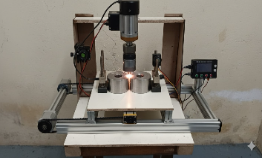 | * Automotive – Welding of drive shafts, valves, and transmission parts. * Aerospace – Joining lightweight alloys (aluminum, titanium) in turbine blades and structural assemblies. * Education & R&D – Training tool for engineering students and researchers to study welding + AI integration. | A miniature test rig that uses rotational friction to weld thermoplastic/metal samples. * Equipped with sensors (temperature, force, torque/current) to monitor the weld zone. * Data is processed through an AI model that predicts weld quality and optimal process settings. * Demonstrates the integration of Industry 4.0 concepts into traditional welding. |
| 2 | ANSAN D DHAS (URK22ME1005) Dr. Ebenezer Jacob Dhas | Design and Fabrication of Portable Vertical Axis Wind Turbine | 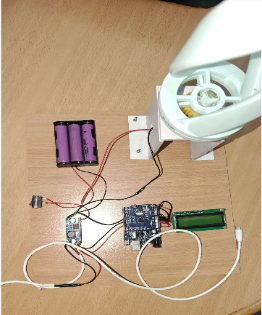 | Portable vertical axis wind turbines provide a versatile power solution for disaster relief, offering rapid energy for emergency communications and medical equipment. Their omnidirectional design is equally effective for remote expeditions, charging gear in off-grid locations, and urban micro-generation on balconies or rooftops. Additionally, they serve smart agriculture by powering remote sensors and irrigation controllers in areas where traditional grid access is impractical. | This project involves the development of a Portable Vertical Axis Wind Turbine (VAWT), integrating a modular rotor assembly featuring high-strength, lightweight aerofoil blades (such as Savonius or Darrieus profiles) mounted on a central stainless steel shaft. The mechanical energy is captured via a low-RPM permanent magnet generator (PMG), which is coupled with a high-efficiency bearing system to minimize frictional losses during low wind speeds. Power is regulated through a charge controller and a bridge rectifier to convert AC to stable DC, subsequently stored in a lithium-ion battery bank. |
| 3 | URK22ME4004 (GIFTUS IMMANUEL G) Dr. G. Lawrance | Bio-Inspired Sea Urchin Cellular Lattice Structure with Comprehensive Mechanical–Dynamic Characterization | 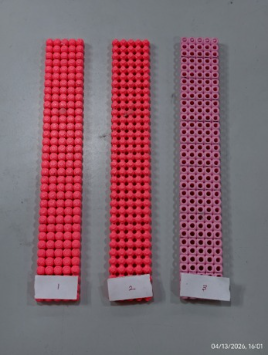 | Electric Vehicles (EVs) Crash energy absorption systems (battery enclosures, crumple zones) Lightweight chassis and structural panels Thermal–mechanical protective housings for battery packs Aerospace Engineering Lightweight load-bearing components (fuselage panels, wing interiors) Impact-resistant structures (bird-strike zones, landing gear housings) Vibration-damping and fatigue-resistant components Advanced Materials & Mechanical Engineering Metamaterials and architected materials research Additive manufacturing (3D-printed lattice structures) High-performance structural cores (sandwich panels) | The study focuses on designing and analyzing a bio-inspired cellular lattice structure modeled after sea urchin morphology, which is known for its radial symmetry, hierarchical porosity, and high strength-to-weight efficiency. The structure mimics the porous exoskeleton (test) of sea urchins, translating its geometry into an engineered lattice that offers: Enhanced energy absorption due to distributed deformation mechanisms High stiffness-to-weight ratio, making it ideal for lightweight applications Improved dynamic performance, including vibration damping and impact resistance Multi-scale structural efficiency, combining micro- and macro-level load distribution The “comprehensive mechanical–dynamic characterization” implies the study evaluates: Static properties (strength, stiffness, deformation behavior) Dynamic responses (modal analysis, vibration characteristics, damping) Impact and crashworthiness performance Such structures are typically optimized using computational modeling and finite element analysis, and may be fabricated via additive manufacturing techniques to realize complex geometries. |
Product Developed – 2023-24
| S. No. | Name | Name of the Product / Prototype | Picture | Area of Application | Brief Description |
|---|---|---|---|---|---|
| 1 | Dr. Brusly Solomon | Transient hot-wire device to measure the thermal conductivity of electrically conductive powders | - | - | - |
| 2 | Nidhin A R, RRK22ME1001 | Flexible heat pipe for Space Cooling Applications | 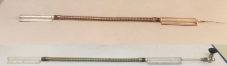 | SPACE CRAFT Applications | ISRO Project: Designed and developed a flexible heat pipes for satellites and launch vehicles to effectively transfer heat through a longer distance |
| 3 | Mr. Ravi, RRK21ME2001 | Smart Steps | - | Road Transportation Busses | DST Project: Automated steps for elderly people is designed and developed jointly with Tamilnadu Road Transport Corporation, Coimbatore |
Product Developed – 2022-23
| S. No. | Reg. No. | Name | Name of the Product / Prototype | Area of Application | Brief Description |
|---|---|---|---|---|---|
| 1 | URK19ME1023 | AJAY SEVAKAN M | 3D printing of composites with variable natural fiber (pineapple) volume fraction and stiffness using fiber particles. | Materials | The study demonstrates the potential of using natural fibers from pineapple leaves as a sustainable and cost-effective reinforcing agent in 3D printed composites. The findings provide valuable insights into the use of natural fibers in 3D printing composites and their potential for applications in various industries, such as automotive, aerospace, and biomedical. The study involved preparing composite filaments by blending polylactic acid (PLA) with different percentages of pineapple fiber particles, followed by 3D printing test samples using a Fused Deposition Modeling (FDM) printer. |
| 2 | URK19ME1019 | JASON JEBAKUMAR | 3D printing of composites with variable natural fiber volume fraction and stiffness using fiber particles. (Banana fibre) | Materials | This project presents a study on the 3D printing of composites with variable natural fibre volume fraction and stiffness using banana fibre particles. The objective of the study was to investigate the feasibility of using banana fibre particles as a reinforcement material in 3D printing. The composite materials were prepared by mixing banana fibre particles with a pla pellets and 3D printed using fused deposition modelling. |
| 3 | URK19ME1011 | DAYA | Cost effective chiller using evaporative cooling method | Heat Transfer | The purpose of the bubble cooling method is to transfer heat from a warm/hot water to a cooler fluid (usually water) by creating bubbles in the fluid. The bubbles, which are generated by injecting a gas (such as air or nitrogen) into the fluid, rise to the surface and carry away heat from the hot water through a combination of convective and evaporative cooling. As the bubbles burst at the surface, the heat is released into the surrounding air or environment, completing the cooling process. Bubble cooling method has several advantages over traditional cooling methods such as air cooling or liquid cooling. It can achieve high heat transfer rates and low thermal resistance, resulting in more efficient and effective cooling. |
| 4 | URK19ME1052 | VISHAL S | Design and Analysis of end effector for robotic painter arm used in high rise buildings. | Design | In recent years, the construction industry has seen an increase in demand for automated painting systems, particularly for high-rise buildings. To meet this demand, robotic painter arms have been developed, providing a more efficient and cost-effective solution than traditional manual painting methods. |
| 5 | URK19ME1041 | GOVENDER KENAN | Design and Development of off-road inline skates | Design | Off-road inline skates with suspension are a specialized type of inline skates designed for off-road use on rough and uneven surfaces such as dirt trails, gravel paths, and rocky terrain. These skates are equipped with a suspension system that helps absorb shocks and vibrations, providing a smoother and more comfortable ride. This system allows the skater to maintain better control over their skates on rough terrain and absorb the impact of rocks, bumps, and other obstacles. |
| 6 | URK19ME1059 | JOEL TT | Design and Fabrication of electronic system and autonomous mapping for the bathroom floor cleaning robot | Design | The automatic bathroom floor cleaning robot is an advanced cleaning solution designed to simplify the tedious task of cleaning bathroom floors. Its innovative design allows it to efficiently and effectively clean floors without the need for any human intervention. The robot utilizes a highly stable and fast mechanical and electronic control system that enables it to clean floors quickly and thoroughly. The current project aims to use the automatic floor cleaner for household purposes, specifically for cleaning bathroom floors. |
| 7 | URK19ME1034 | HYWIN HYJAN | Design and Fabrication of the mechanism for the bathroom floor cleaning robot | Design | The current project focuses on utilizing the floor cleaner for household bathroom floors. The cleaning process is achieved through continuous relative motion between the robot's scrubbers and the floor surface for scrubbing operation and relative motion between the robot's wiper and the floor surface for wiping operation. The robot is designed with two scrubbers for thorough scrubbing and a wiper for wiping. A rack and pinion mechanism is incorporated to ensure efficient and precise lifting of the scrubbers and wiper, resulting in consistent and thorough cleaning. |
| 8 | URK19ME1015 | CHARUDHARSHAN R | Design and Fabrication of Viscometer | Design | Viscometers are tools used to measure a fluid's flow parameters or viscosity. These tools have significance in a variety of sectors, including as food and beverage, pharmaceuticals, and petroleum, where determining liquid viscosity is essential for process and quality control. Viscosity is measured using a variety of procedures by viscometers, which come in a range of designs. |
| 9 | ULK19ME1001 | M HARISSH | Drone Spray painting | Design | This project aims to design and fabricate an automated guided vehicle (AGV) that is capable of transporting goods and materials within a manufacturing facility. The AGV is designed to operate autonomously, utilizing a combination of sensors and algorithms to navigate and avoid obstacles. |
| 10 | URK19ME1003 | SAKA SUNIL JOEL | Fabrication and Characterization of plasto composites with addition of plastic waste, dental mould waste and dry fly ash | Materials | Developing materials that combine environmental sustainability with resource conservation is crucial for the future of our planet, and addressing this challenge requires the correct disposal and reutilization of plastic waste. Transforming plastic waste into composite materials could promote recycling and facilitate the development of new environmentally-friendly materials. This research involves the preparation and characterization of composite materials made from plastic waste, dental mold waste, and dry ash using a vertical injection moulding machine. |
| 11 | URK19ME1022 | ANTO SARON D | Fabrication and testing of end effector for robotic painter arm used in high rise buildings | Manufacturing | Painting robots have been employed in a variety of industries, including automotive, aerospace, and architecture. These solutions improve efficiency and output while reducing human error. Painting the exteriors of high-rise buildings is one of the most difficult tasks for these systems. To address this issue, robotic painting arms have been designed. These arms must have a dependable end effector capable of holding the paint sprayer, moving smoothly, and having a large range of motion. |
| 12 | ULK19ME1010 | PAUL PRINCE J | Fire extinguisher drone | Manufacturing | This project aims to design and fabricate an automated guided vehicle (AGV) that is capable of transporting goods and materials within a manufacturing facility. The AGV is designed to operate autonomously, utilizing a combination of sensors and algorithms to navigate and avoid obstacles. |
| 13 | URK19ME1080 | HADLEE LIVINGSTON R | Prototype of Hand gesture controlled Wheelchair | Manufacturing | The increasing demand for automation and robotics in daily life has led to the development of many innovative systems. In today’s world, Hand-Gesture controller acts as an assistive technology that enables people with restricted mobility to operate their wheelchair with hand gestures. The purpose of this technology is to give those who are unable to move around using their hands or legs, an alternative method of mobility control. |
| 14 | URK19ME1061 | SAM S | Robot for inventory management and assistance in library of books. | Industrial Automation | The primary aim is to design and develop a prototype of a robotic system to manage inventory and provide assistance in the libraries of books. To analyze the problem of inefficiency in libraries the proposed robotic system will provide a more efficient and accurate method of book inventory management, saving librarians valuable time and effort. |
| 15 | ULK19ME1011 | PRAKASH C | Theft detecting and shutter closing system in ATM | Industrial Automation | In this project an advanced security system which can monitor and control the shutter of the ATM centre is discussed. The security system measures, in case of robbery, based on the impact and vibration movement. This system also can be monitored and controlled through IOT technology. The security system checks different parameters of the security and keeps the concerned authorities updated. It uses sensors like vibration sensors and a GSM module . |