
1. SDG Overview
Gender equality is a fundamental human right which encompasses equal access to opportunities, protection from discrimination, and freedom from violence and abuse for all individuals, regardless of their gender. Promoting gender equality is essential for economic growth and development of a society. When women and girls have equal access to education, employment, and entrepreneurship opportunities, it results in a more robust and diverse workforce, contributing to the overall development of a nation.
The institution recognizes gender equality as an essential component of academic excellence, student development and social responsibility. It is committed to providing equal opportunities for admission, education, employment, leadership and participation in academic and co-curricular activities. The institution promotes an environment where women students and employees can pursue their educational and professional aspirations without discrimination or gender-based barriers.
The relevance of SDG 5 to the institution is reflected in the following areas:
Equal access to education: Ensuring equitable opportunities for women students to enrol in and successfully complete higher education, including programmes in areas where women may be underrepresented.
Women’s empowerment: Encouraging women students and faculty to participate in leadership, research, innovation, entrepreneurship, sports and decision-making activities.
Safe and inclusive campus: Providing appropriate safety and security measures, grievance-redressal mechanisms, counselling and support systems to create a gender-sensitive campus environment.
Prevention of discrimination and harassment: Implementing institutional policies and awareness programmes that promote dignity, respect, equality and freedom from gender-based discrimination and harassment.
Gender sensitisation: Conducting programmes, workshops, counselling and awareness campaigns that challenge gender stereotypes and promote mutual respect and inclusivity.
Leadership and professional development: Creating opportunities for women to develop leadership skills and assume responsibilities in academic, administrative and institutional activities.
Work-life support: Providing facilities and practices that support the well-being and participation of women employees and students.
Community engagement: Extending gender-equity initiatives beyond the campus through awareness programmes and community-oriented activities.
Thus, SDG 5 provides an important framework for the institution to create an equitable educational ecosystem in which women and men have equal opportunities to learn, contribute, lead and progress. By integrating gender equality into teaching, research, campus practices and community engagement, the institution contributes to the broader goal of building an inclusive and sustainable society.
2. Institutional Policies and Commitments
Equal Employment Opportunity Policy and Policy against Harassment
Equal Employment Opportunity Policy
Karunya Institute of Technology and Sciences is a self-financing Christian Minority Institution. No employee or applicant will be subjected to discrimination because of race, colour, age, sex, religion, marital status, disability, military status or any other characteristic protected by law. This policy is applicable to all terms and conditions of employment, including recruitment, hiring, promotion, training assignment, evaluations, compensation and termination.
Policy against Harassment
In general Karunya Institute of Technology and Sciences is committed to provide all employees with an environment that is free of discrimination and harassment. We will not tolerate conduct that constitutes or could lead or contribute to harassment based on sex, race, colour, religion or any characteristic or status protected by law. Examples of such prohibited conduct include, but are not limited to
- Ethnic slurs
- Use of computer (including the internet and email) to view or distribute racially offensive communications
- Threatening, intimidating or hostile acts directed at a particular sex or religious group
- Harassment does not require intent to offend. Thus, inappropriate conduct meant as a joke or even a compliment can constitute prohibited harassment.
Sexual harassment
Sexual harassment is a specific type of discriminatory harassment. It includes unwelcome sexual advances, requests for sexual favors and other verbal or physical conduct of a sexual nature when:
- Submission to the action is either an explicit or implicit condition of employment
- Submission to or rejection of the action is used as a basis for employment decisions or
- Such conduct has the purpose or effect of interfering with the employee’s work performance or creating an intimidating, hostile or offensive environment
Prohibited conduct includes, but is not limited to:
- Unwelcome sexual flirtations, advances or propositions
- Inappropriate touching
- Graphic verbal comments about an individual’s body or appearance
- The use of sexually degrading words
- The use of computers (including the internet and email) to display or distribute sexually explicit images, messages or cartoons
In addition to the foregoing, no one with a supervisory role may at any time:
- Threaten or imply that an individual’s submission to or rejection of a sexual advance will in any way influence any decision regarding that individual’s employment, performance, evaluation, advancement, compensation, assignments, discipline, discharge or any other term or condition of employment
- Make any employment decision concerning an individual on such a basis
Procedures
If you believe that you or anyone else has been subjected to prohibited conduct, you are required to report the relevant facts as promptly as possible. At your option, the report can be made to your higher authority Head of the Department (HoD) / Director / Dean / Registrar /Vice Chancellor. You should report the conduct regardless of
- The offender’s position at Karunya Institute of Technology and Sciences
- The fact the offender is not employed in Karunya Institute of Technology and Sciences (eg. Vendor, visitor, temporary employee.) Your time report is critical in order for the Karunya Institute of Technology and Sciences to take action to stop the conduct before it is repeated.
All reports will be addressed promptly, with further investigation where needed to confirm facts or resolve disputed facts. In conducting its investigation, Karunya Institute of Technology and Sciences will strive to keep the identity of individuals making reports as confidential as possible.
Appropriate disciplinary action including unpaid suspensions and terminations will be taken against the personnel found to have violated these policies. Individuals who violate these policies may also be vulnerable to additional, personal exposure under applicable law.
No Retaliation
Threats or acts of retaliation against individuals who report inappropriate conduct or participate in an investigation will not be tolerated. If you think you have been subjected to retaliation, you are obligated to use the above procedure to report the pertinent facts. The Institution will investigate and take appropriate action in the manner described above.
Policy on Non-Discrimination and Transgender Inclusion
To eliminate discrimination across all institutional operations, a comprehensive non-discrimination policy protecting women and transgender individuals is enforced across recruitment, hiring, promotion, compensation, professional development, and campus life.
Maternity and Paternity Policies
Maternity leave on full pay is granted to permanent female faculty for a period not exceeding 90 days once in service. Maternity leave can be combined with EL, half pay leave or LLP.
Women’s Mentoring Schemes
Senior Resident Advisors and Mentors are appointed to address the needs and concerns of women students, women counsellors provide professional counselling in areas related to academics, career, health, family and relationships. Regular talks on domestic violence and abuse, legal remedy on various women related issues are being organized to sensitize women.
Policies protecting those reporting discrimination
To create a safe and inclusive learning environment that is free from sexual harassment and discrimination, an Internal Complaints Committee (ICC) has been constituted at KITS comprising 12 members, including an external Legal Consultant and a Healthcare / Psychiatric Specialist, in strict compliance with the POSH Act 2013. Details regarding the constitution and composition of the committee, details of the e-mail IDs, contact numbers, the procedure prescribed for submitting online complaints, the regulations and internal policies are posted on the institution website. To familiarize the members with their duties, members were sponsored by the institution to attend a Safe Campus program conducted by Association of Indian Universities and Martha Farrell Foundation. Seminars and awareness programmes are regularly conducted to educate women faculty and students about the policies regarding discrimination. Workshops, awareness programmes and various competitions were held to sensitize the stakeholders of a safe working environment without any discrimination.
Women Access Schemes
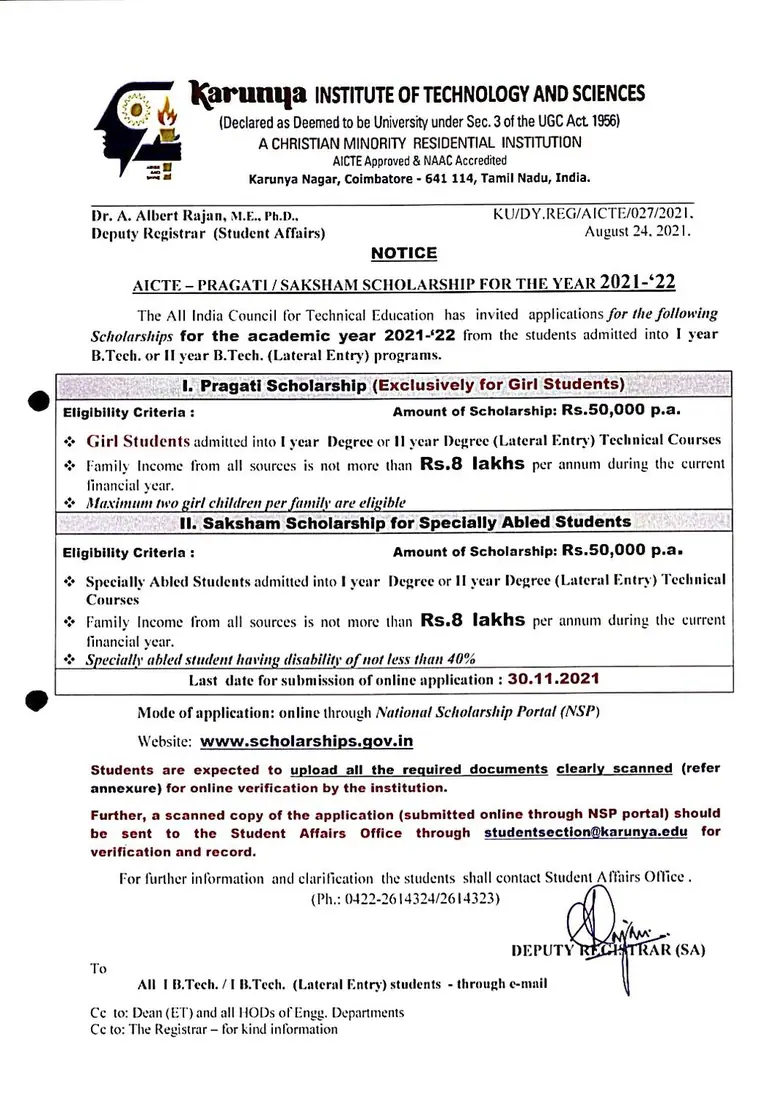
To ensure that women have access to higher education and alleviate the financial barriers that often hinder women from pursuing higher education, the institution facilitates the students to receive various scholarships offered by Central / State Governments and from KITS which will be duly notified to the students through notices / e-mail / institute website such as Pragati Scholarship Scheme for Girl Students (Technical Degree) from All India Council for Technical Education (AICTE). KITS offers special Scholarship of Rs. 40,000 per annum to Women students to pursue technical degree programmes.
3. SDG Objectives
The institution aims to promote gender equality, women’s empowerment, inclusivity, and equal opportunities through its teaching, research, campus initiatives, and community engagement. The key objectives are to:
Integrate gender equality into teaching and learning by incorporating gender sensitivity, equality, human rights, and social justice into curricula, classroom discussions, and academic activities.
Promote research on gender-related issues by encouraging interdisciplinary research addressing women’s empowerment, gender discrimination, violence against women, workplace equality, and other challenges affecting gender equity.
Create a safe, inclusive, and gender-sensitive campus environment through appropriate policies, awareness programmes, grievance-redressal mechanisms, and support systems for all members of the institution.
Ensure equal opportunities for women and men in education, leadership, employment, professional development, participation in student activities, and institutional decision-making.
Empower women students and staff by providing opportunities for leadership, skill development, mentoring, entrepreneurship, career advancement, and participation in academic and extracurricular activities.
Raise awareness about gender equality and respect through workshops, seminars, campaigns, orientation programmes, and student-led initiatives addressing gender stereotypes, discrimination, and gender-based violence.
Strengthen community engagement on gender equality by conducting outreach and extension activities that promote women’s education, empowerment, legal awareness, health and well-being, and economic independence.
Build partnerships for gender equity by collaborating with government agencies, NGOs, industries, and community organisations to implement initiatives that advance SDG 5: Achieve gender equality and empower all women and girls.
Monitor and improve institutional performance on gender equality by assessing participation, opportunities, representation, and outcomes for women and men and using the findings to strengthen institutional policies and practices.
4. Curriculum Integration
Courses related to the SDG
- 20CR2026 Gender and Crime
- 21EN3010 Gender Studies in Literature
- 23MS3022 Entrepreneurship Development
- 23MS3027 Social Entrepreneurship
- 22MS2001 Professional Ethics and Value Education
- 22BM2002 Medical Ethics and Standards
- 20BT2057 Bioethics, IPR and Biosafety
- 23BT2011 Entrepreneurship Development
5. Research and Innovation
- Artificial Intelligence and Machine Learning for Women's Health Issues, Gupta, Meenua; Hemanth, D. Judeb , Artificial Intelligence and Machine Learning for Women's Health Issues Book2024, DOI: 10.1016/C2022-0-03346-8
- Beyond the cradle – Amidst microplastics and the ongoing peril during pregnancy and neonatal stages: A holistic review, Paul, Indrania; Mondal, Pritamb; Haldar, Dibyajyotic; Halder, Gopinathb, Journal of Hazardous Materials Review2024, DOI: 10.1016/j.jhazmat.2024.133963
- A Comparative Analysis of Machine Learning Algorithms for Crime Rate Prediction, Dileep, A.| Ramalakshmi, K.| Venkatesan, R.| Sundar, G.N.| Nancy, G.| Shirly, S., Proceedings of the 3rd International Conference on Applied Artificial Intelligence and Computing, ICAAIC 2024 p.732-736, DOI: 10.1109/ICAAIC60222.2024.10575332
- Women fintech adoption-a base tam framework, Aswathy, K.M.| Aruna, K.| Priya, K.L., International Journal of Applied Mathematics 2025 Volume 38, p129-137
- Communication Strategies and Adaptability of Portia in The Merchant of Venice, Kharmawlong, A.| Grace, V.M.B.| Abisha, A.P.| Shiny, K.T.| Preha, C.| Wilson, D.D., International Research Journal of Multidisciplinary Scope 2025 Volume 6, Issue 3 p 902-913
- Transborder discourses: Mainstreaming the transgender self, Jose P, J.| Dhanaraj, A., Cogent Arts and Humanities 2025 Volume 12, Issue 1
- Subverting Hegemony: Dalit Women’s Resistance and Identity in Baby Kamble’s The Prisons We Broke, Jose P, J.| Dhanaraj, A., Archiv Orientalni Volume 93 Issue 2 p 357-380
6. Events Organized Related to SDG
1. Seminar on POSH Act Awareness by Dr. Beulah Shekhar at Karunya
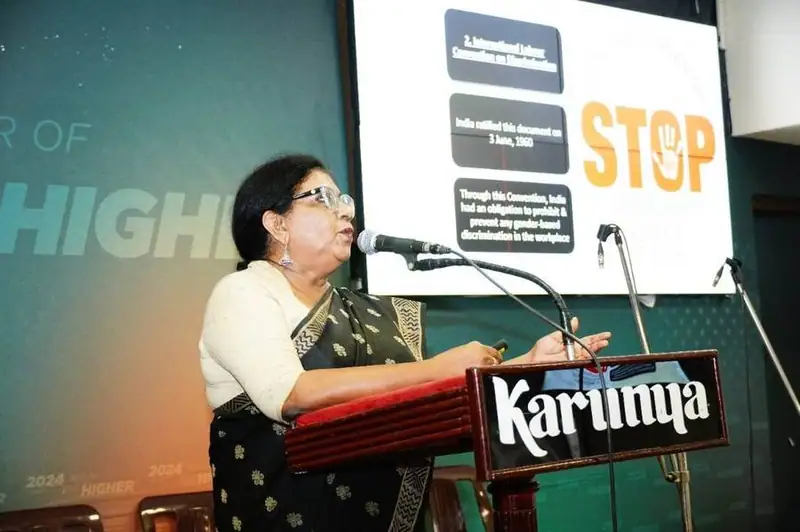
Dr. Beulah Shekhar, a renowned expert in criminology, delivered a powerful and insightful seminar on the Prevention of Sexual Harassment (POSH) Act, 2013 at Karunya Institute of Technology and Sciences. The session focused on building a safe, inclusive, and respectful educational environment for all members of the university.
Dr. Shekhar highlighted the relevance of the POSH Act in academic institutions and its mandatory implementation through the Internal Complaints Committee (ICC). She clearly explained the definitions and forms of sexual harassment verbal, non-verbal, and physical and the procedure for filing complaints confidentially.
The seminar was aimed at educating students, faculty, staff, and administrators on their rights and responsibilities under the Act. Interactive discussions were held to help participants understand the reporting process, support systems, and the role of the ICC. Special emphasis was placed on the importance of orientation programs, periodic training, and awareness campaigns.
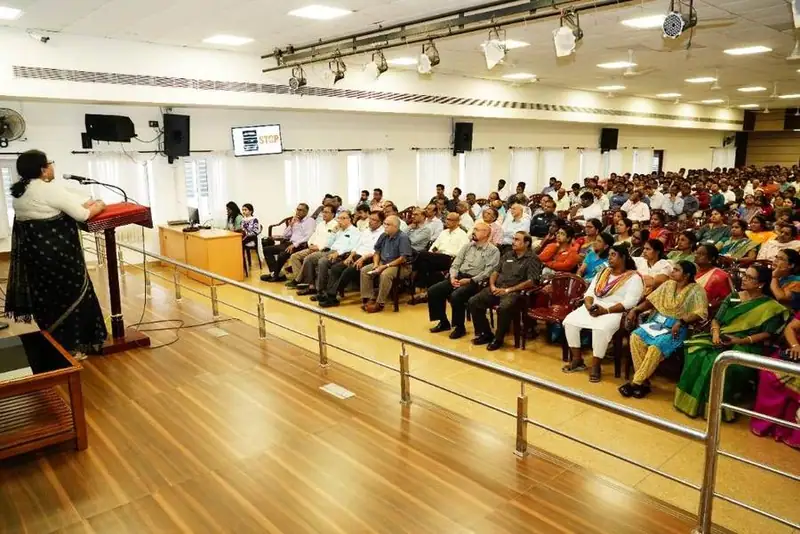
Dr. Shekhar encouraged the use of posters, newsletters, social media, and student clubs to promote ongoing sensitization. She also recommended integrating e-learning modules and feedback surveys to strengthen campus safety. Faculty champions and leadership ndorsement were identified as crucial for effective policy enforcement. The seminar marked the beginning of a comprehensive action plan at Karunya to foster a harassment-free campus. Participants responded positively, acknowledging the session's clarity and importance. Dr. Shekhar emphasized, “Safe campuses nurture safe minds,” aligning with the slogan: “Safe Campus, Safe Minds – Know Your Rights Under POSH!”
The university aims to sustain this momentum with continued training and open communication channels. The seminar laid a strong foundation for building trust, awareness, and proactive prevention strategies. Evaluation metrics such as increased reporting and improved feedback scores will be used to measure impact.
Through this initiative, Karunya reiterates its commitment to upholding dignity and safety for all. Dr. Beulah Shekhar’s expert guidance is instrumental in shaping a gender-sensitive culture across the institution. Her talk was both an educational milestone and a call to action for the Karunya community. The session concluded with a pledge to uphold the values of equality, respect, and safety.
Karunya’s leadership thanked Dr. Shekhar for her invaluable contribution and resolved to implement her recommendations earnestly.
2. Crimes against Women - Awareness Programme
Date: 10th February 2025 Venue: SRR Hostel, Karunya Institute of Technology and Science Time: 8:30 PM – 9:30 PM
An insightful Crimes against Women Awareness Programme was conducted by Dr. P.G. Sunanda Bhagavathy for the first-year students of Karunya Institute of Technology and Science on 10th February 2025 at the SRR Hostel. The session aimed to educate students about the Prevention of Sexual Harassment (POSH) Act 2013, Dowry harassment Act 1986, Juvenile Justice Act 2000 and latest amendments in the sexual assaults, besides raising awareness about the need for reporting behaviour of any such crimes.
The programme began with an engaging ice-breaking session, which helped to create a comfortable atmosphere, encouraging students to participate openly. Dr. Sunanda Bhagavathy then introduced the POSH Act, explaining its significance in promoting safety and securing dignity. She detailed the role of the Internal Complaints Committee (ICC) and outlined the procedures for reporting sexual harassment within institutions.
In addition to the legal aspects, Dr. Sunanda Bhagavathy shared real-life experiences, illustrating the impact of crimes against women through Me Too cases and other relevant incidents she encountered. Her experience-based storytelling provided practical insights, helping students better understand the seriousness of such issues.
The students participated actively and were highly receptive, showing keen interest throughout the session, asking insightful questions and demonstrating a genuine interest in learning about preventive measures. The session concluded with a Q&A segment, fostering an open dialogue on maintaining respect and safety within the community. The programme was both educational and empowering, effectively raising awareness and encouraging responsible behavior.
Ms. Briteny Sextus, III BA Criminology and Blessy Christina presented a role play illustrating grievance reporting procedures, providing greater clarity on institutional redressal pathways.
3. Pre-Marital Counselling Session: Holistic Life Skills and Equal Partnership
| Date | : | 13th March 2025 |
|---|---|---|
| Time | : | 08:30 PM |
| Venue | : | PRG Residence |
| Speaker | : | Dr. Parmeshwari, Professor & Head, Department of Applied Physics |
| Organized by | : | Karunya Institute of Technology and Sciences |
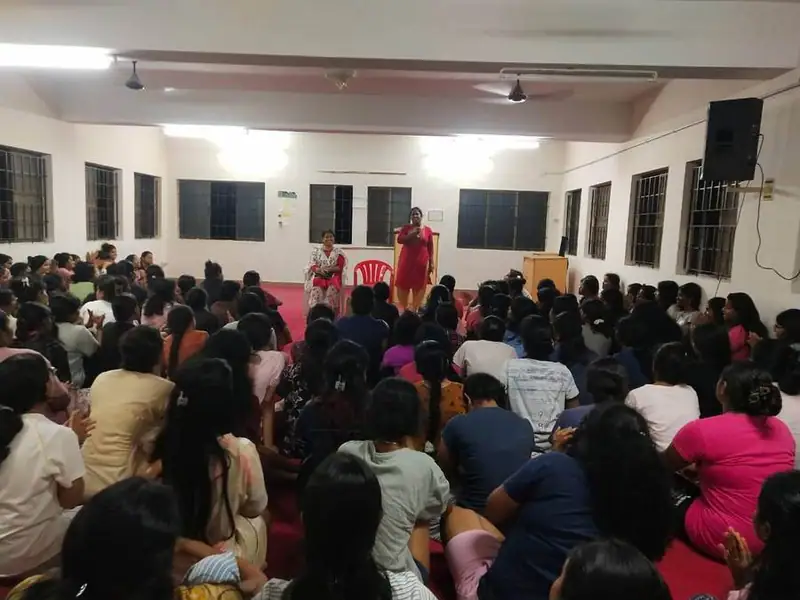
As part of the university’s residential life and gender-sensitisation initiatives, a specialized pre-marital mentoring session was conducted at PRG Residence Hall on 13 March 2025. Co-ordinated by Ms. Sreely (Department of Value Education) and addressed by Dr. Parameshwari, the interactive workshop was designed to equip graduating young women with psychosocial readiness, interpersonal communication skills, and an understanding of egalitarian partnerships in marital and family life.
Highlights of the Session:
- Character Over Appearance: Dr. Parameshwari, emphasized that sustainable, healthy relationships are built on inner character, emotional intelligence, shared integrity, and mutual respect rather than transient physical attributes or societal pressures. Graduating students were encouraged to prioritise empathy and shared values when choosing life partners.
- Leadership in Family: She suggested the students to keep God as the head of their family, followed by the husband, emphasizing spiritual leadership and alignment with God’s design.
- Family Background Awareness: The importance of understanding both sides of the bloodline were stressed, including repentance and confession for any past generational sins, to break any bondages and ensure a peaceful, blessed future.
- Purpose of Intimacy in Marriage: Mam emphasized that sexual intimacy is sacred—a way to keep husband and wife connected, happy, and united, strengthening the marriage covenant.
- Role of the Woman: A wise woman builds her house. In times of conflict, seek God's counsel. She also motivated women to be financially independent, support their husbands, and not shy away even if they earn more.
- Maturity and Thoughtful Life Choices: Participants were guided on the importance of emotional, educational, and professional maturity before entering marriage. The speaker encouraged students to make thoughtful, independent, and values-driven relationship decisions rather than succumbing to premature societal expectations.
- Equal Partnership and Shared Family Leadership: Redefining traditional household paradigms, the speaker highlighted marriage as an equal partnership grounded in mutual consultation, shared domestic responsibilities, and collaborative decision-making. Mutual trust, emotional safety, and shared leadership were underscored as the true pillars of a harmonious home.
- Constructive Conflict Resolution and Healthy Communication: The session addressed the importance of understanding family backgrounds, unlearning unhealthy patriarchal biases or conflict habits from previous generations, and proactively adopting transparent, non-violent communication strategies to foster an encouraging, stress-free family environment.
- Emotional Bonding, Mutual Care, and Dignity: Dr. Parameshwari discussed relational intimacy from a perspective of mutual trust, emotional security, and dignity. A healthy marriage was framed as an affirming sanctuary where both partners uplift each other’s aspirations and well-being.
- Women's Economic Independence and Career Continuity: A cornerstone of the session was female financial agency. The speaker strongly motivated women students to complete their professional education, build independent careers, and remain active contributors to household finances. She emphasised that earning an independent livelihood strengthens a woman's voice and autonomy in marital life.
Financial Wisdom:
- Always give your 10% tithe to God, as per biblical principles.
- Avoid EMIs, loans, or credit cards, which can lead to family struggles.
- Systematic Savings: Instilling the habit of saving at least 30% of personal income toward financial independence, emergency funds, and future security.
- Social Responsibility: Encouraging voluntary civic participation, ethical budgeting, and supporting social causes to uplift the broader community.
Healthy Living: The workshop concluded with practical guidelines on maintaining balanced nutrition, preventive healthcare, and mental wellness while balancing career trajectories and personal commitments.
4. Pre-Marital Counselling
| Date | : | 13th March 2025 |
|---|---|---|
| Time | : | 08:30 PM |
| Venue | : | DMR |
| Speaker | : | Dr. Gnana Sundari |
| Organized by | : | Karunya Institute of Technology and Sciences |
| Theme Verse | : | Dignity, Competence, Self-Efficacy, and Leadership "A worthy woman who can find? For her price is far above rubies." (Proverbs 31:10) |
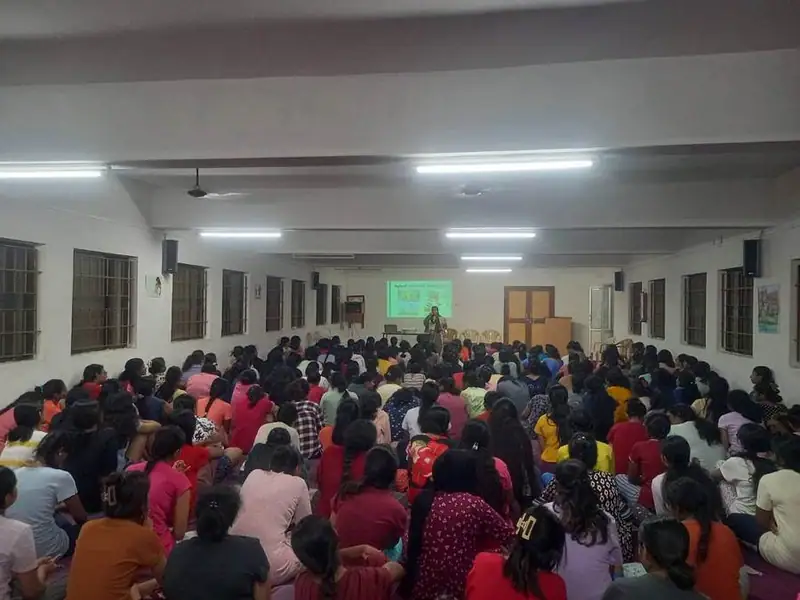
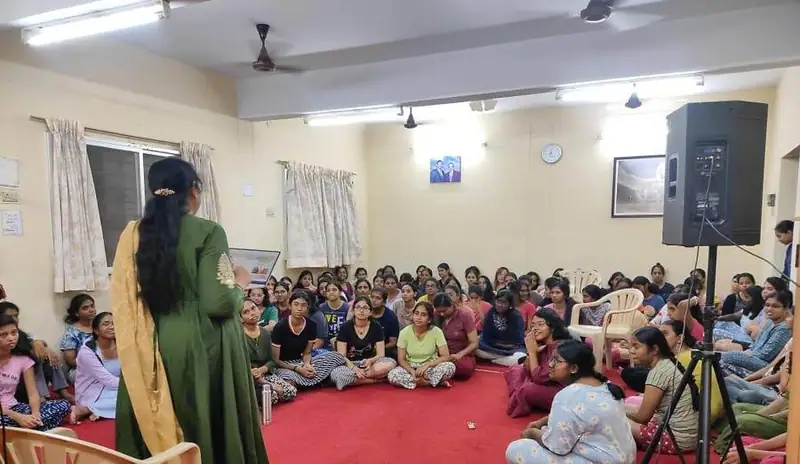
A Pre-Marital Counselling session was held on 13th March 2025 at DMR Prayer cell, organized by IIC, Karunya Institute of Technology and Sciences, Coimbatore. The goal was to guide and prepare young women for a good, fruitful marriage rooted in spiritual values and practical wisdom.
Highlights of the Session:
The session was led by Dr. Gnana Sundari, who shared deep and thought-provoking insights into marriage and family life:
- Beyond Appearances: She began by stressing that external beauty and physical stature are fleeting, and what truly matters in a marriage is how the couple builds life together, supports one another, and raises children to glorify God.
- Waiting on God’s Will: Emphasis was laid on praying for a God-chosen partner—a man of faith and strong character—and being patient in the Lord’s timing.
- Divine Order in Family: She reminded the audience that God is the head of the family, followed by the man, who must lead spiritually and lovingly.
- Spiritual Cleansing of Bloodlines: The importance of understanding both sides of the family’s lineage, repenting of generational sins, and seeking God’s cleansing was highlighted to break spiritual bondages.
- Purpose of Intimacy: Marriage was described as a sacred covenant, with sex serving to keep the couple united in love, trust, and joy.
- Empowered Women: A wise woman builds her home, and in times of trouble, she should seek God’s counsel. Ma'am encouraged women to be financially independent, even if they earn more than their husbands, and to be pillars of strength in the family.
Self-Efficacy Beyond Superficial Standards: Dr. Gnana Sundari underscored that authentic self-worth originates from intellectual capacity, competence, and moral conviction rather than superficial societal beauty standards. She motivated attendees to enter relationships as confident, self-actualised individuals.
Discerning Equal and Supportive Partnerships: The discussion emphasised seeking life partners who demonstrate emotional maturity, gender respect, and active commitment to supporting a woman’s professional ambitions and personal growth.
Breaking Harmful Intergenerational Cycles: The speaker addressed the vital necessity of breaking historical cycles of domestic inequality, gender stereotyping, and unhealthy familial conflict. Students were taught self-advocacy skills, emotional boundaries, and the importance of seeking professional counselling and institutional support networks when navigating relational distress.
Trust, Mutual Affirmation, and Emotional Well-being: The session explored the foundational role of trust, transparent emotional dialogue, and mutual consent in sustaining lifelong marital partnerships based on equality and dignity.
- Economic Agency and Female Financial Leadership: Highlighting the theme of the resilient, empowered woman, Dr. Gnana Sundari urged participants to cultivate long-term financial autonomy. She emphasised that women should fearlessly take up leadership positions, manage investment portfolios, and act as financial anchors in their families without subordinating their economic potential.
Financial Principles:
- Avoid EMIs, loans, and credit cards to prevent family stress and conflicts.
- Make a habit of saving 30% of income for future security.
Healthy Living: Lastly, she encouraged young women to cook and eat healthy meals, promoting wellness within the household.
Participation & Impact:
Over 120 young women attended the session. The forum fostered active participation, with students engaging in open discussions regarding career continuity after marriage, managing dual-career households, and addressing gender expectations. Dr. Gnana Sundari answered with grace, clarity, and spiritual depth.
Outcome: The session was informative, empowering, and spiritually enriching, helping attendees gain a holistic understanding of what it takes to prepare for a lifelong, Christ-centered marriage. It fulfilled its objective of educating young girls to make responsible and faith-driven decisions for their future.
5. International Women's Day
Theme: “Rights. Equality. Empowerment.”
Venue: Karunya Institute of Technology and Sciences
Date: 7thMarch – 13th March, 2025
Women's Day was celebrated with great enthusiasm, bringing together both staff and students in wellness, culture, and inspiration. A range of fun-filled events were laid on, the key aims being to celebrate the achievements of women, empower women, and promote sisterhood.
Cycle Rally:
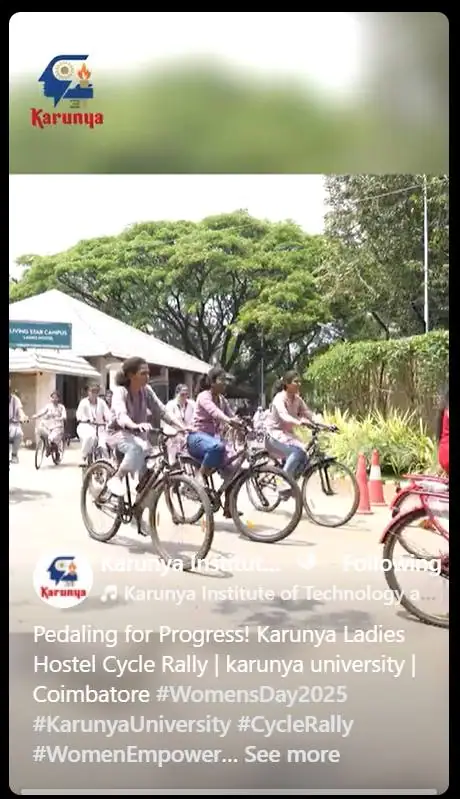
53 motivated students and staff members pedalled their way from Karunya Ladies Hostel to Evangeline Matriculation School as part of the exciting Cycle Rally that kicked off the Women's Day festivities. The event was a declaration of strength, solidarity, and empowerment rather than just being about cycling.
Participants promoted resilience and wellbeing with each wheel turn, promoting a stronger, healthier way of living. With students actively participating in the event, the excitement was infectious, and their zeal and resolve made it an experience that will never be forgotten. The rally effectively demonstrated the strength of women banding together for a same goal, creating the ideal atmosphere for the remaining celebrations.
- Walkathon: Walking for a Cause and Uniting for a Reason
Date: 08.03.25
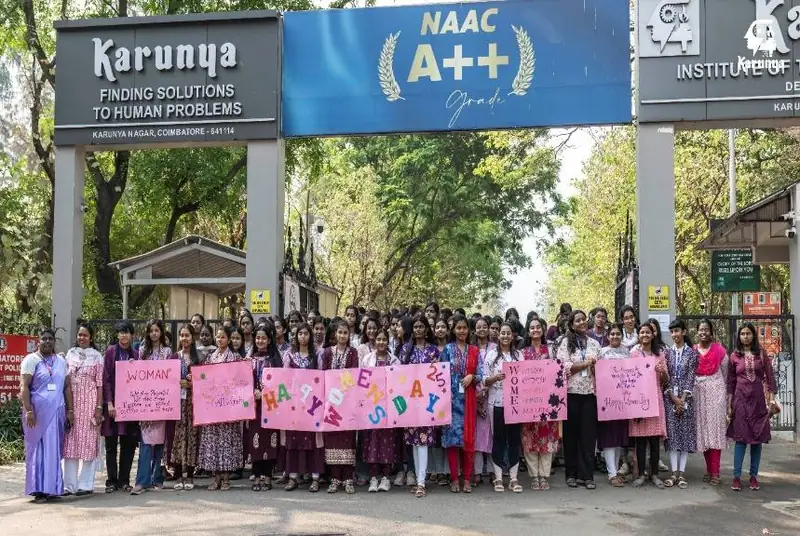
- Demonstrating institutional solidarity, 390 female students and faculty members participated in a campus Walkathon. Participants proudly held banners proudly presenting how special and unique women are and the atmosphere was brimming with enthusiasm. It was more than just a walk; it was a representation of the strength and unity of the group.
- Participants reaffirmed the value of remaining active and uniting for empowerment with each stride. As students and staff walked side by side, the excitement was noticeable, creating a sense of inspiration and solidarity. The incident was a potent reminder that even modest actions can have a big impact when combined.
- Ethnic Day: Embracing Unity and Culture
Students Strength: 1800
Venue: Ladies Hostel
Date: 09.03.25
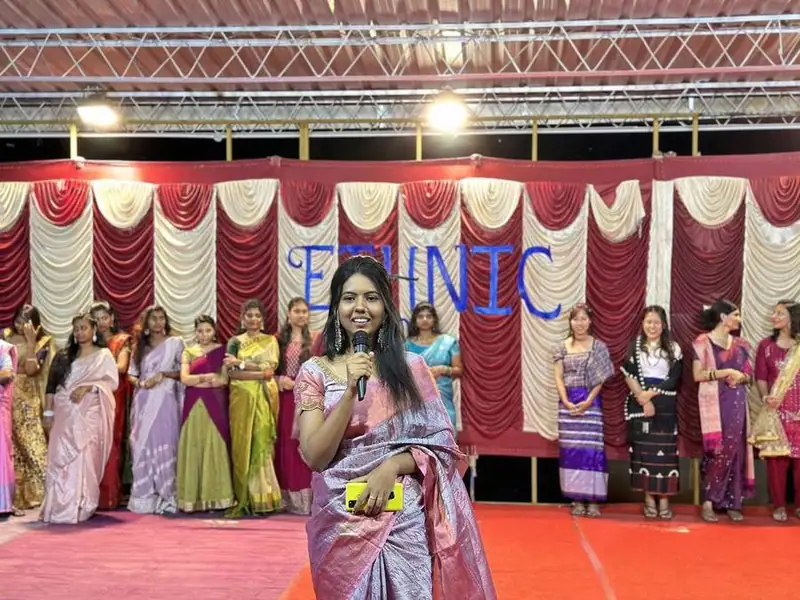
- The institution celebrated Ethnic Day on 9 March 2025, honouring the rich diversity and individuality of different cultures, practices and people. More than a thousand students attended the event, and participants from many states passionately represented their traditions through colourful costumes, cultural displays, and performances and spoke about Women empowerment.
- Students were able to respect and value many traditions while developing a feeling of community, which was a lovely display of unity in variety. As students performed traditional dances, exchanged stories, and celebrated the beauty of their history, the event was full of demonstration of colour, music, and happiness. Everyone had a greater respect for cultural diversity after Ethnic Day, which genuinely embodied the concept of unity.
- Singing Competition and Discussion on Successful Women:
Date: 09.03.25
Students Strength: 800
Venue: Karunya Campus
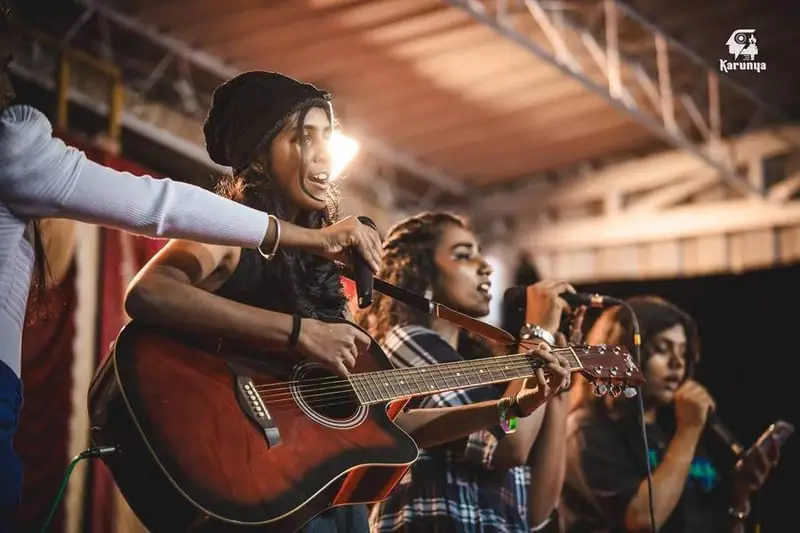
- Our Women's Day activities included sessions led by women wherein participants exhibited their talents through Music and Melody, which infused the air with positive music and motivational words of strength. Women- oriented songs, power, and resilience were highlighted in the music by the students; it was one of the great motivating elements in the program. They concentrated on the resolve, persistence, and contributions of women who paved the way for their predecessors. Discussions on female social reformers, scientists, artists, and leaders were celebrated through intellectual discussions.
- It was also an insightful session dedicated to the historical and social aspects of women, which enabled participants to realize the importance of contributions women had made in history, be it scholars and warriors or healers and leaders. It made the blend of music, history, and motivation just right so that the audience could better appreciate the will of women throughout history.
- Health and Nutrition Talk: Nourishing Body and Mind
Date: 12.03.25
Guest Speaker: Dr. Vimalin Hena, Asst. professor, Division of Agriculture
Students Strength: 300
Venue: Ladies Hostel
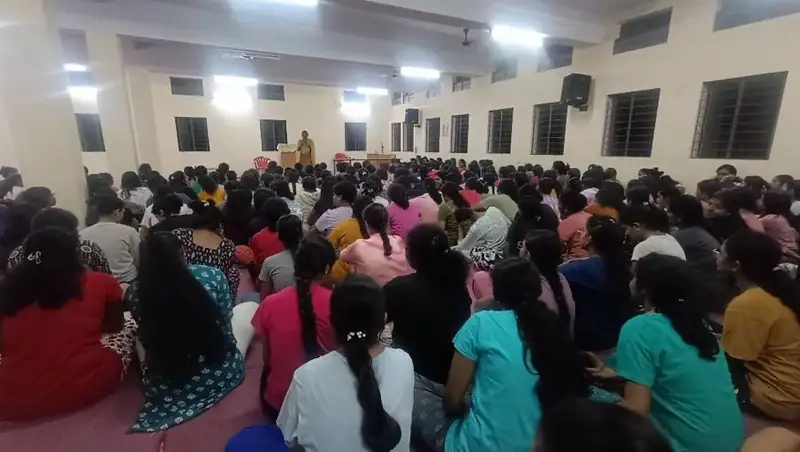
- A health and nutrition awareness program was conducted mainly to focus on the importance of healthy eating habits and overall wellbeing for 300 female students. The event was led by the guest speaker Dr. Vimalin Hena who provided enlightening guidance on maintaining good health through sensible dietary and lifestyle choices.
- This session informed students of the harms of junk food, thus prompting them to choose a healthier diet of new and nutritious foods. Emphasis was laid on the intake of fruits and vegetables to boost immunity, give a certain amount of energy, and maintain a certain general state of health. Discussion was mainly on how a good diet is instrumental to a better mood, concentration, and emotional stability and further brought nutrition and mental well-being in a straight connection. She gave cases for making a lasting impression among the students for health.
6. Basic Legal Awareness for the Student Community
Date: 11.05.2025, FN
Speaker: Dr. Sunandha Bhagavathy, Professor & Head, Division of Criminology and Forensic Sciences
Venue: Biomedical Gallery Hall
No. of Participants: 150
Law is an indispensable part of human life, ensuring justice, equality, and societal order. To instill legal awareness among students, encouraging them to become responsible, law-abiding citizens, a session was organized by Youth Red Cross Club of Karunya, emphasizing that “Ignorance of the law is no excuse.” The following are the topics of the session.
✔ Importance of Legal Awareness
✔ The Indian Constitution
✔ Fundamental Rights (Articles 12–35)
✔ Fundamental Duties (Article 51A)
✔ Rights of Students and Youth
✔ Legal Responsibilities of Students
✔ Essential Laws for Students to Know
✔ Protection Laws for Women and Children
✔ The POSH Act – Key Highlights
✔ Legal Aid and Access to Justice
✔ Cyber Awareness and Online Safety
The presentation concluded with a powerful message: “Be informed — awareness is the first step toward empowerment.”
A legally aware youth can transform society by promoting justice, equality, and responsible citizenship.
- Community Outreach and Extension Activities
Learning Centers for children
Around 13 learning centers were located. 1 Community tribal volunteer was appointed to look after the tuition centers inside the tribal village and to co-ordinate with the staffs of Karunya University to identify the need and execute the benefits to the deserving people. 259 economically downtrodden children were benefitted.
Students Community Visit.
Students of MBA-II (Finance) engaged rural women and self-help groups (SHGs) on a weekly basis, delivering financial literacy training on micro-savings, banking access, and household budgeting. The students observed the living standard of the villages and they had dialogue with SHGs members. Dr. Martina Rani, faculty coordinator accompanied the students.
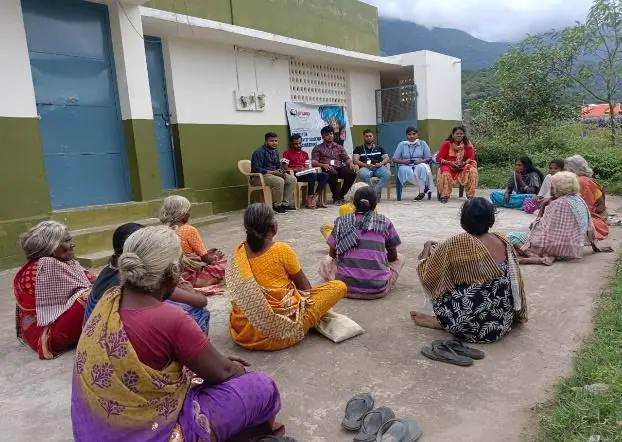
Employability Awareness Program
CCAC in association with CHUWAK organized employability awareness program on 25th of September 2024 for the local communities. The CEO from CHUWAK, explained about the mobile app and market analysis how they can equip themselves with skills and find a job within the locality, a brief note on mobile application was shared to the participants. 11 women participated in the event.
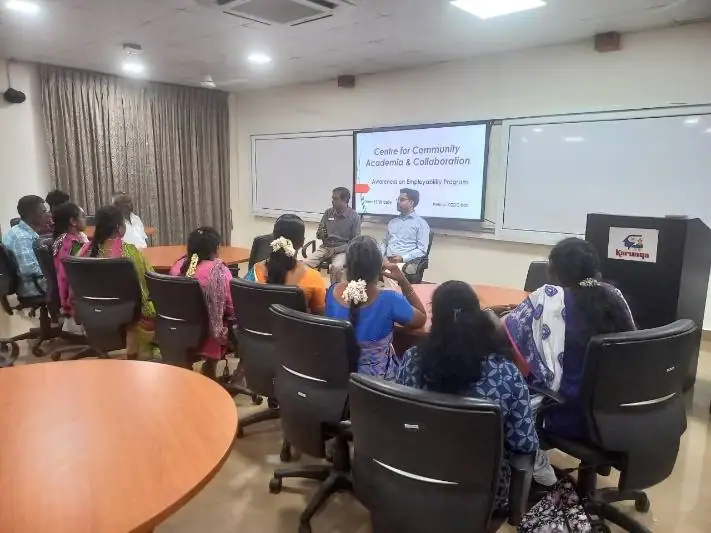
Health and hygiene Awareness
On October 3, 2024, CCAC and Karunya School of Management together organized a health and hygiene awareness program at Pachinampathy village. Students were shown a skit that emphasized the importance of health and cleanliness and how it will benefit them in the future. After that, students lectured the villagers about hand washing and its practices, as well as performed the steps to them. Finally the students have distributed the hygienic to the few of the participants who have participated enthusiastically.
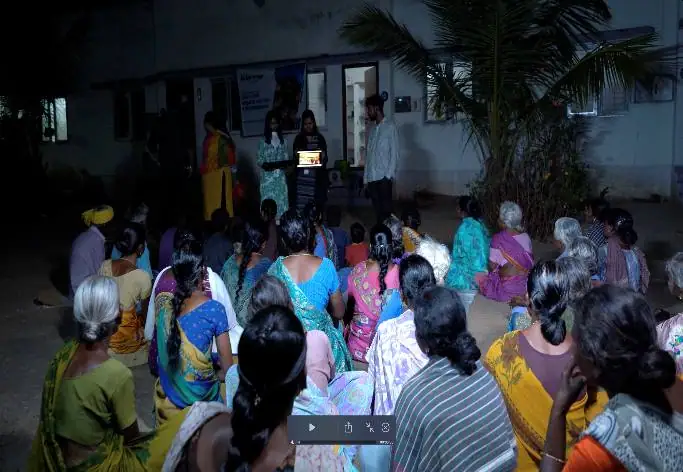
Financial Literacy Program
On October 14, 2024, CCAC and Karunya School of Management together held a financial literacy meeting in Sadivayal hamlet. This program was held exclusively for SHG members and leaders; the students shared their knowledge of finance with the members, and they learnt from the participants about cross-learning experiences, how SHGs are formed, how SHGs maintain their accounts books, the money lending process, and so on. The program concluded with a cross-learning experience.
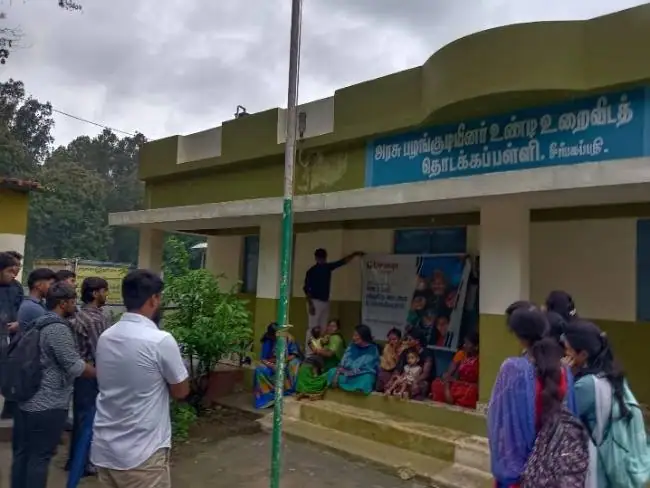
Education Awareness Program
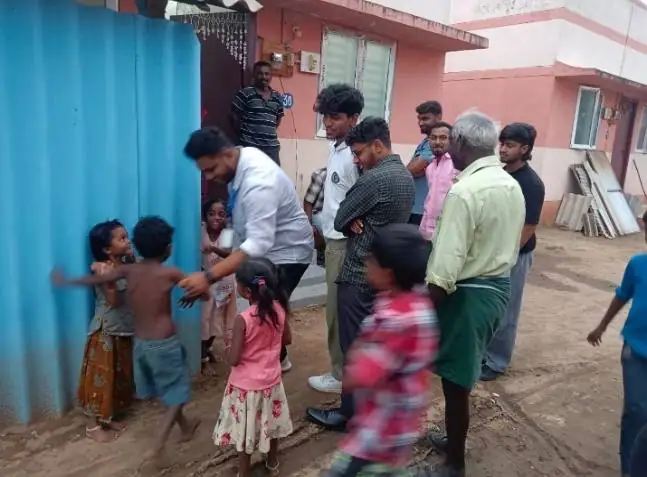
Education awareness program was conducted in consortium with members of Karunya Rotract club at Moongilmadai Village. This is one of the remote villages where people are not aware of the importance of education also the children are not going to school properly. Despite continuous efforts taken by the Government school, children hesitate to go school. To address this issue CCAC has taken initiative to provide door to door awareness about education. On OCT19th MBA students went to each house of the village and educate parents about importance of education especially girls education and asked them to send the children to school regularly.
Medical Camp for women in Sadivayal
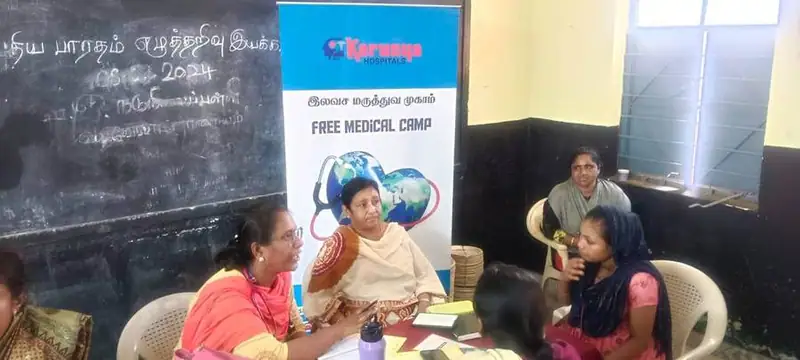
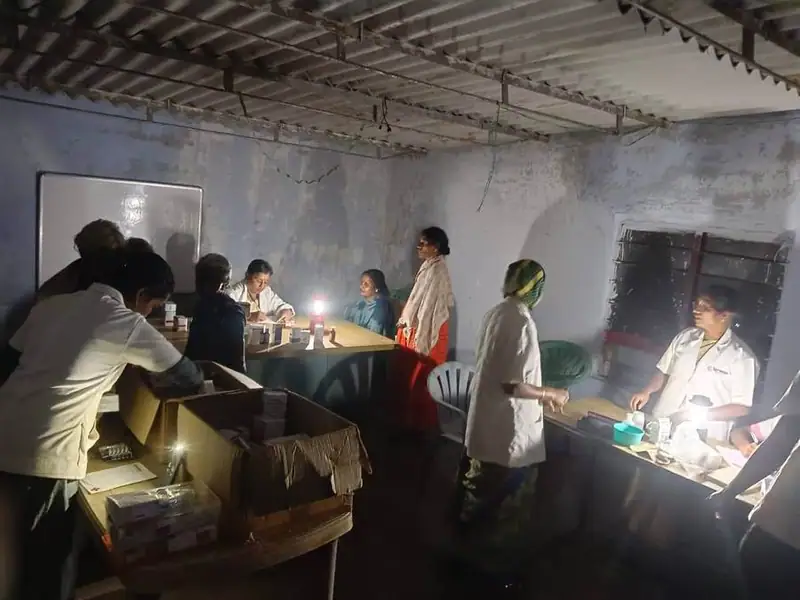
A medical camp for women was organized on 25th October 2024 by the Centre for Community Academia and Collaboration with Karunya hospital in Sadivayal, a remote village with 150 families at the foothills of Siruvani. Most of the people who live here go for daily wages related to agriculture. The people of this area suffer from anemia and hypertension. There is a lack of health awareness and people rely on native medicines due to their poor social background. 24 patients were given diagnosed and given treatment
Facilities provided
Doctor consultation
Blood pressure, Blood sugar, Haemoglobin, Bone mineral density
Free medicines
Health awareness on Diabetes & Anemia
Nutrition Awareness Program
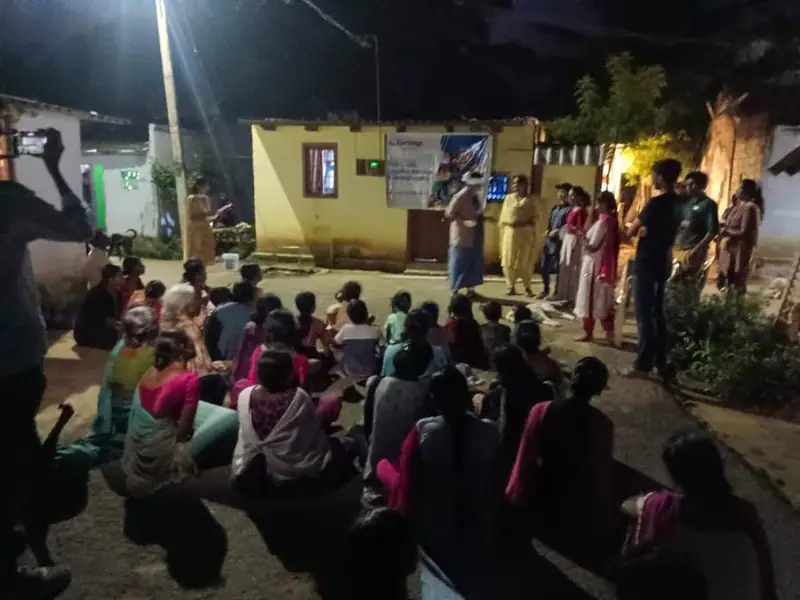
Nutrition awareness program was conducted along with the Division of Food Processing and Technology at Perumalkovilpathy village on 29/11/2024. The students enacted a skit insisting the importance of locally available value added products and its benefits, followed by a dance performance by the students and then nutrition talk was delivered.
7. Best Practices
Gender-equity measures implemented are
- Special scholarship of Rs.40,000 per year for Girls
- Sexual harassment prevention cell and Internal Complaints committee for a gender-just environment
- Regular talks on menstrual health and hygiene, Webinars on Crimes against Women.
- Facilities such as women’s care rooms and well protected resident halls with all amenities
Several initiatives are taken to enhance the male-female gender ratio for faculty and students which is currently 4:3 and 3:1 respectively. A special scholarship of Rs.40,000 per year is allocated to girls to encourage and support them to pursue professional education. Women are not only recognized for key administrative and leadership positions but have been nominated to serve as members of various boards and committees.
Safety and security
Safety and security of the students, especially girls, has been the top priority of the Institute Administration, with multiple steps taken including installation of CCTVs on strategic locations of campus, regular security patrolling and deployment of ample security personnel including female security personnel. There is a committee to check the menace of sexual harassment and violence against women in the university.
The women students are housed in safe and well protected residences which are equipped with amenities like purified drinking water, solar heaters, ATM, department store, gym, sporting complex, parlors, tailoring, fruit shops and mini- canteens.
Figures demonstrate the 24/7 Security Turnstiles at Women's Residences; Equipped Residential Health & Sick Bay; Dedicated On-Campus Women's Care Room
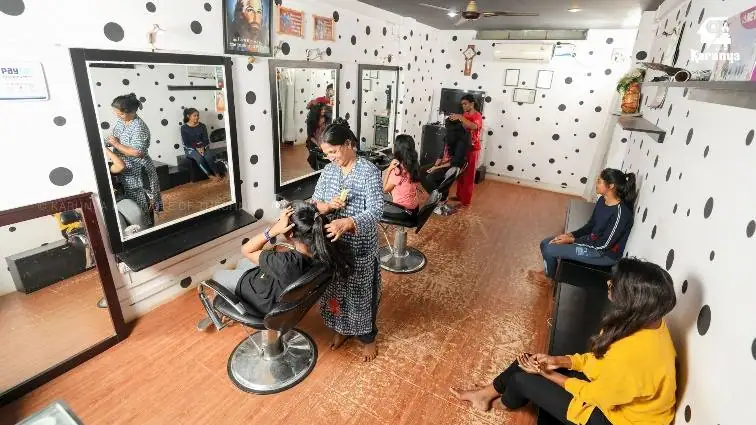
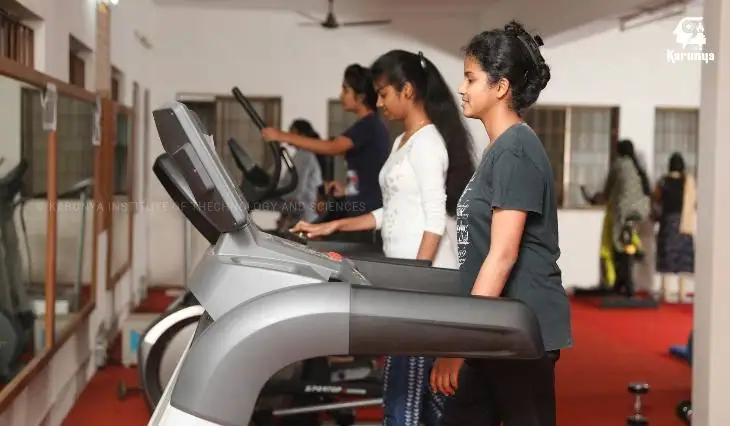
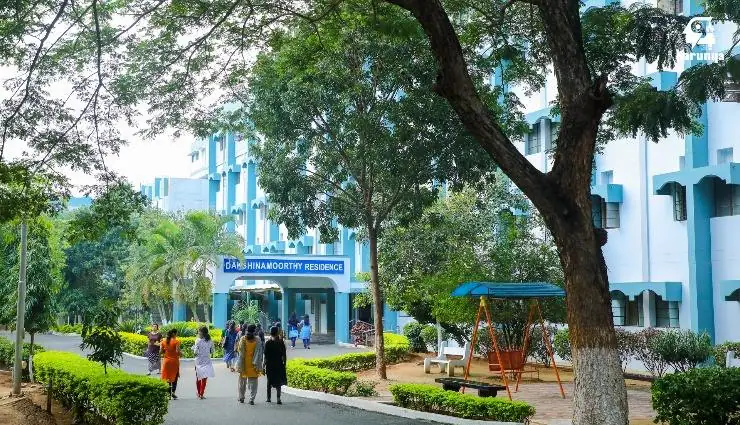
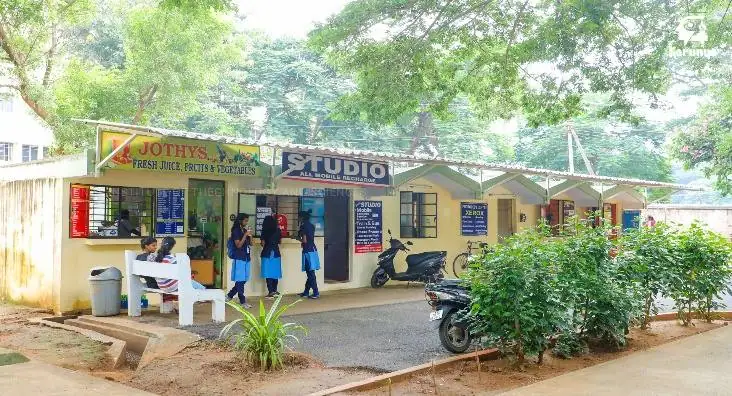
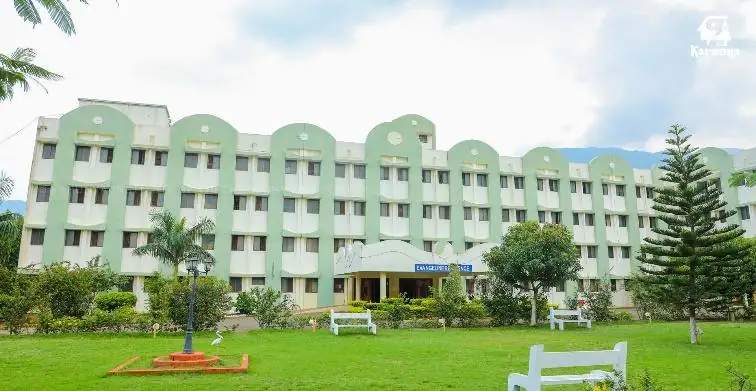
Sick rooms for women students with required facilities are available in the women residences. A fully functional 30 bedded hospital managed by KITS administration is available within 100 feet reach from the women residences. The hospital with full time specialized doctors including gynecologist and dentist, cater to all minor medical requirement of the girl students. On special occasions like the long holidays and unexpected leave declared by state government, special transport is arranged for women students to ensure they reach their destinations safely.
Counselling
Senior Resident Advisors and care takers are present at every floor level in women residences to address the needs of the student. Women Counsellors are assigned to counsel the women students in areas related to academics, career, behavior and attitude. Value added courses are offered by various departments focusing on issues pertaining to women and other vulnerable groups. In addition, educative and gender sensitive curriculum is offered to the students. Regular talks on menstrual health and hygiene and seminars on various women related challenges were organized to sensitize women about domestic violence and abuse, to highlight legal remedy and to ensure legal empowerment of women.
Common room
In the college campus, each block has a women care room to cater to the needs of the women students. These rooms are equipped with a bed, sanitary napkins and first aid kits. Further, ambulance and Institute vehicles are readily available to transport the ailing women students to hospital in the campus.
The institution is a safe haven for women ensuring that they live with security, dignity and tenacity, creating a healthy ecosystem free from anxiety and fear, while moulding their personality and empowering them to achieve their goals.
8. Conclusion
The institution demonstrates a sustained commitment to SDG 5 – Gender Equality by promoting an inclusive, safe, and empowering environment for women and girls through teaching, research, campus initiatives, student support, and community engagement. It works towards ensuring equal opportunities, preventing discrimination, strengthening women’s participation in higher education, and fostering leadership and professional development. Efforts taken to promote gender equality in research publications have contributed to a more inclusive and equitable research environment. More than 700 papers have been published by women faculty members in the year 2024-25. To ensure that women have access to higher education the institution facilitates the students to receive various scholarships offered by Central / State Governments and from KITS. Initiative has been taken to increase the representation of women in leadership roles. Women are encouraged to take administrative roles and serve as members of various boards and committees More than 50% of the faculty members are women and 31 of the 91 professors are in leadership roles. Out of 1941 students graduated, 759 are girls.
Key contributions include women-centred welfare and safety measures, counselling and awareness programmes, gender-sensitisation initiatives, residential and campus facilities for women, and opportunities for academic and professional advancement. The institution also integrates gender equality into curriculum, research, and extension activities, encouraging students to understand and address issues related to gender discrimination, violence, stereotypes, and social inequality.
Through these initiatives, the institution seeks to create an equitable campus culture, enhance the confidence and leadership capabilities of women students and staff, and contribute to a more inclusive and gender-just society.