
1. SDG OVERVIEW FOR CLIMATE ACTION
1.1 Introduction
Sustainable Development Goal 13 (SDG 13) – Climate Action calls for urgent action to combat climate change and its impacts. For a higher education institution, climate action encompasses climate education, research and innovation, renewable energy, energy efficiency, carbon-footprint reduction, sustainable resource management, climate adaptation, environmental conservation, resilient infrastructure and community engagement.
Karunya Institute of Technology and Sciences (KITS) has incorporated climate- and sustainability-related activities across its academic, research, innovation, campus-management and extension activities. KITS identifies Water, Sustainable Energy, Healthcare and Food as its major thrust areas, supported by 25 Technology and Innovation Missions. Faculty and students from Engineering, Science and Agriculture work through these missions to address societal problems.
KITS curriculum specifically addresses water scarcity, environmental pollution, energy crisis and climate change and includes dedicated courses in water and renewable energy.
KITS also records significant campus sustainability measures, including solar power, solar water heating, LED lighting, biogas, sewage treatment, rainwater harvesting, groundwater recharge, wastewater reuse, tree plantation and paper recycling.
1.2 Institutional relevance
Climate action at KITS can therefore be categorized into six major dimensions:
Climate education and curriculum integration
Climate-related research and innovation
Renewable and low-carbon energy
Resource conservation and circular economy
Climate adaptation and resilience
Environmental and community engagement
KITS achieved sustainability milestones through solar power systems, biogas plants, wastewater recycling and rainwater harvesting infrastructure.
2. INSTITUTIONAL POLICIES AND COMMITMENTS
2.1 Institutional commitment
Climate action is embedded within institutional priorities, quality initiatives, Technology Missions, curriculum development, research priorities and campus sustainability initiatives.
The Institution's policy-level commitment is reflected through:
Water as an institutional thrust area
Sustainable Energy as an institutional thrust area
25 Technology and Innovation Missions
Outcome-Based Competency-Focused Curriculum
Green Campus Initiatives
Quality-improvement initiatives
Research and innovation programmes
KTBIP sustainability and renewable-energy incubation
Environmental and community-oriented activities
2.2 Institutional policy/initiative matrix - Climate Action Plan
| Policy / initiative / framework | Purpose and key commitments | Contribution to SDG 13 – Climate Action |
|---|---|---|
| Climate Change Mitigation and Sustainability Policy - KITS/CCMSP/2025/01 | Establishes a framework for greenhouse-gas emission reduction, sustainability integration, climate resilience and transparent climate-performance reporting. | Establishes institutional governance for climate mitigation, emission reduction, climate resilience and accountability. |
| Energy and Carbon Management Policy - KITS/ECMP/2025/01 | Promotes energy conservation, carbon management, renewable energy integration and reduced dependence on fossil fuels. | Supports low-carbon campus operations, energy efficiency, renewable energy adoption and carbon-footprint reduction. |
| Institutional Net Zero and Carbon-Reduction Commitments | The Climate Change Mitigation and Sustainability Policy specifies Net Zero Carbon targets for Scope 1 and Scope 2 emissions by 2035 and Scope 3 emissions by 2040. It also specifies a 30% carbon-footprint reduction target by 2027. | Provides measurable institutional targets for decarbonisation and climate mitigation. |
| Renewable Energy and Energy Conservation | Promotes solar, wind and bio-energy, energy-efficient lighting and equipment, and annual energy audits | Reduces energy-related emissions and supports the transition towards low-carbon energy use. |
| Sustainable Infrastructure and Green Buildings | Promotes energy-efficient construction, green building standards, natural ventilation, thermal insulation and rainwater harvesting. | Supports energy efficiency, resource conservation and lower operational environmental impacts. |
| Climate Education, Research and Awareness | Integrates sustainability into teaching, research, innovation, training and stakeholder awareness programmes. | Develops climate literacy, supports climate-related research and encourages climate-conscious behaviour. |
| Afforestation and Biodiversity Conservation | Promotes tree plantation, biodiversity conservation, green-cover expansion and carbon sequestration. | Supports carbon sequestration, ecosystem conservation and climate mitigation. |
| Waste Management and Resource Conservation | Promotes waste reduction, circular-economy practices, reduced use of single-use plastics, water conservation and reuse. | Reduces resource wastage and supports more sustainable campus operations. |
| Climate Monitoring, Reporting and Continuous Improvement | Requires annual sustainability reporting, energy and carbon monitoring, corrective actions and periodic policy review. | Enables tracking of climate-related performance, identification of gaps and continuous improvement in institutional climate action. |
| Alignment with National and International Frameworks | Aligns institutional commitments with India's Nationally Determined Contributions (NDCs), the Paris Agreement, UN SDGs, ISO 14001 and ISO 50001, and relevant green-campus frameworks. | Connects institutional climate commitments with national climate objectives and sustainability benchmarks. |
2.3 Green Campus commitments resulting in Low-carbon energy use
The following infrastructure and operational measures were undertaken in KITS
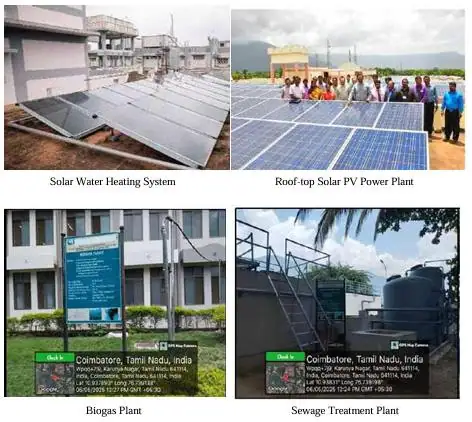
115-kW grid-tied rooftop solar PV network across two primary installations (95 kW Admin Block + 20 kW EVR/Oprah Mess).
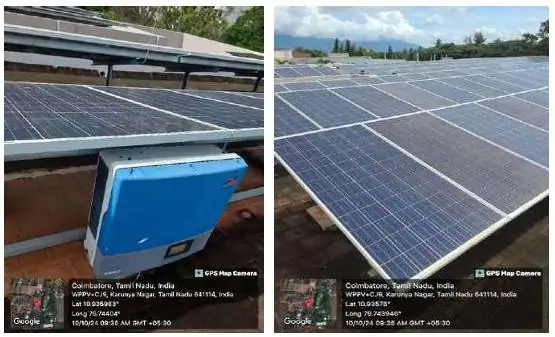
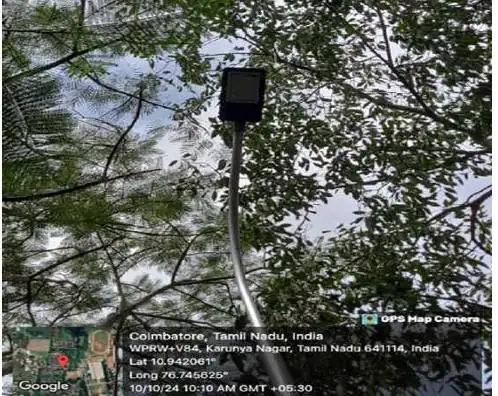
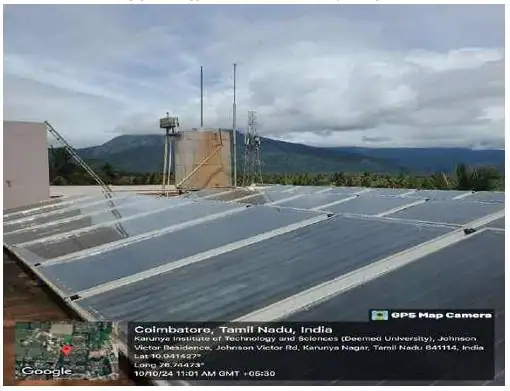
4 anaerobic biogas plants (17,520 m³/year) generating 114 kg/day cooking gas, saving ₹23.10 lakh in commercial LPG.
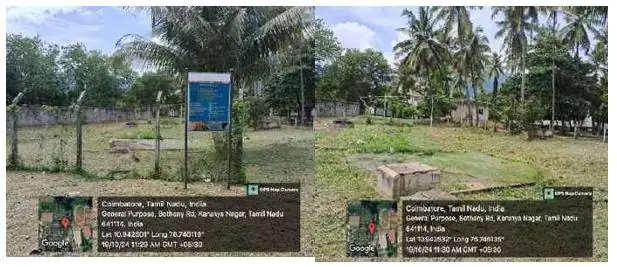
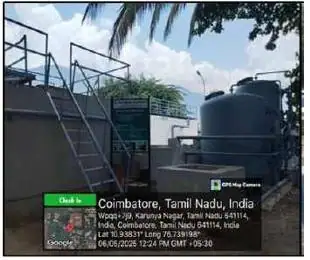
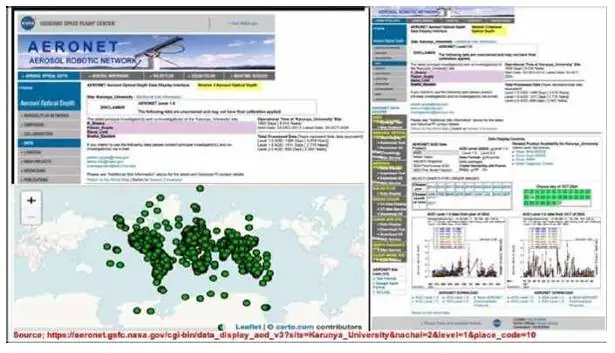
Aerosol monitoring network
Groundwater recharge mechanisms
STP-water reuse for irrigation
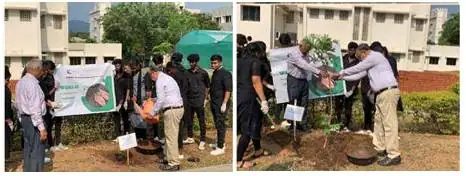
Campus-wide tree plantation
Paper recycling plant
200 kg/day waste-paper processing
Annual saving of ₹23.10 lakh from biogas plants
Annual recurring savings of ₹23.10 lakh from biogas fuel substitution and ₹2.00 lakh from watershed recharge conservation.
Energy and Climate Change (EC) – Total Energy Tracking (THE Metric 13.2)
Annual grid electricity consumption and per-capita intensity metrics (2024–2025):
- Total Campus Grid Electricity Consumption
= 6,207,259 kWh (an 8.0% annual reduction from 6,748,167 kWh in 2023–24).
- Total Institutional Built-Up Area
= 244,340 m² (Building Energy Intensity = 25.40 kWh/m²).
- Total Campus Resident Population
= 8,528 Persons (7,863 Hostel Students + 665 Faculty/Staff Quarters).
- Per-Capita Electricity Demand (Total Campus Residents)
= 727.87 kWh per person (6,207,259 kWh / 8,528).
- Per-Capita Electricity Demand (Enrolled Student Census of 7,700)
= 806.14 kWh per person (6,207,259 kWh / 7,700).
- Institutional Greenhouse Gas Footprint (Scope 1 + Scope 2)
= 4,705.11 tCO₂e (down from 4,989.80 tCO₂e in the prior cycle).
Renewable Energy Production and Low-Carbon Energy Share (THE Metric 13.2)
On-campus clean energy generated during the reporting year (April 2024 – March 2025):
1. Solar Photovoltaic (PV) Generation:
- 95 kW Grid-Tied Solar Plant (Administrative Block): 87,473.71 kWh
- 20 kW Grid-Tied Solar Plant (EVR / Oprah Dining Complex): 24,388.00 kWh
[Total Solar PV Electricity Generated: 111,861.71 kWh across 115 kW installed capacity]
2. Solar Thermal Energy Recovery:
- 30 Solar Water Heating Systems (87,600 LPD capacity across student hostels): 1,545,718.00 kWh equivalent
[Total Solar Clean Energy Yield: 1,657,579.71 kWh]
3. Biomass / Biogas Energy Recovery:
- 4 Anaerobic Biogas Plants (17,520 m³/year from hostel food waste and night soil): 184,836.00 kWh equivalent
4. Total Campus Renewable Energy Generated = 1,842,415.71 kWh per annum
5. Low-Carbon Energy Ratio:
- Solar Energy Share: 26.70% (1,657,579.71 kWh / 6,207,259 kWh grid electricity)
- Aggregate Low-Carbon Share (Solar + Biogas): 29.68% (1,842,415.71 kWh / 6,207,259 kWh grid electricity)
3. SDG OBJECTIVES (Commitment to carbon neutral university)
The institutional SDG-13 objectives are:
Objective 1 – Climate awareness
To create awareness among students, faculty and stakeholders regarding climate change, environmental pollution, sustainable development and resource conservation.
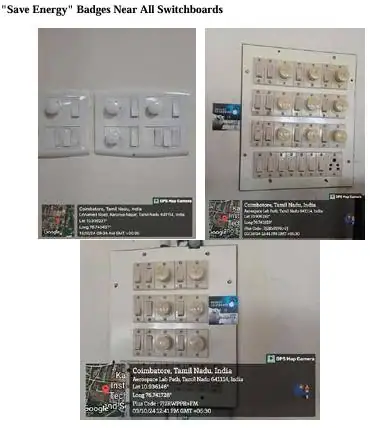
Objective 2 – Climate-integrated education
To incorporate climate change, renewable energy, environmental protection, water security and sustainability into curriculum and experiential learning.
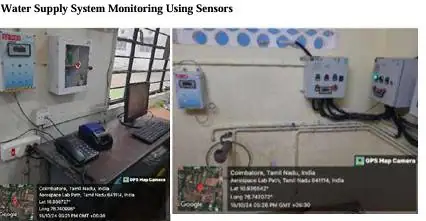
Objective 3 – Climate-oriented research
To promote multidisciplinary research addressing renewable energy, sustainable construction, water security, environmental pollution, agriculture, waste management and climate resilience.
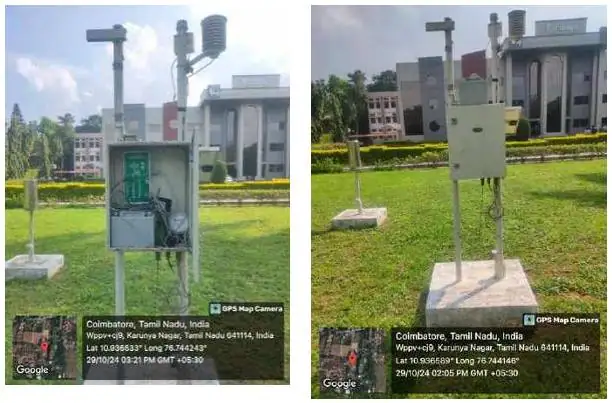
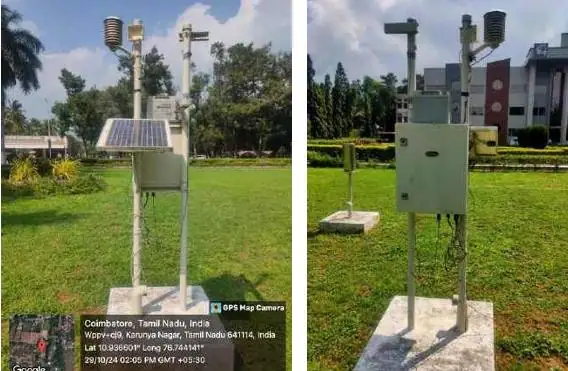
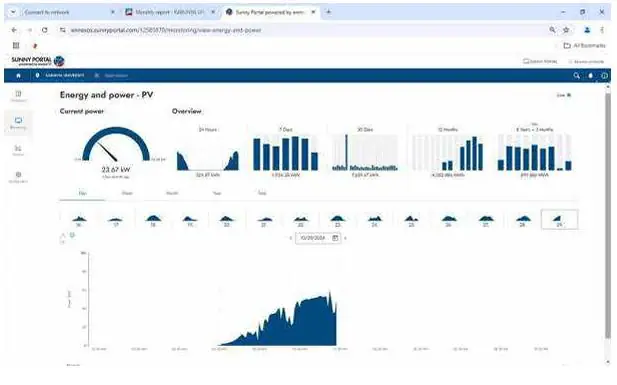
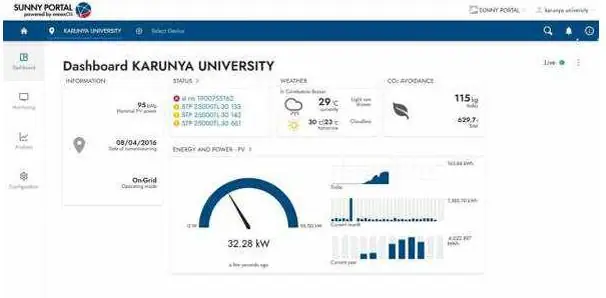
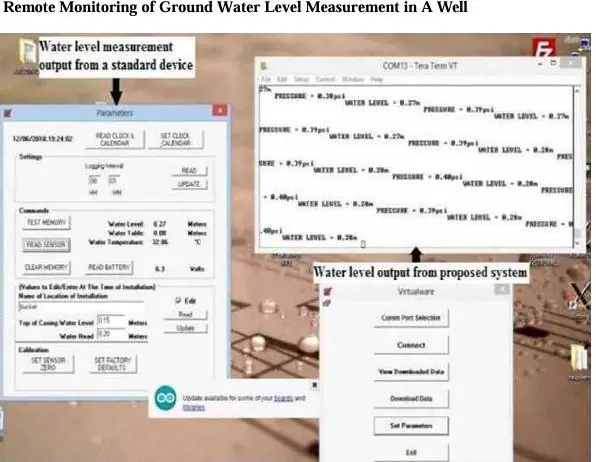
Real-Time Monitoring of Solar Data for Research
Objective 4 – Renewable energy promotion
To promote renewable-energy technologies including solar, wind, bioenergy and energy-storage technologies.
Objective 5 – Carbon-footprint reduction
Objective 5 – Carbon-Footprint Reduction & Carbon Neutrality Roadmap (THE Metric 13.4)
To systematically decarbonize campus operations in compliance with the approved Climate Change Mitigation and Sustainability Policy (KITS/CCMSP/2025/01), the Energy and Carbon Management Policy (KITS/ECMP/2025/01), and the Sustainable Investment Policy (KITS/SIP/2025/01):
- Achieve Net Zero Scope 1 and Scope 2 greenhouse gas emissions by 2035.
- Achieve Net Zero Scope 3 emissions across supply chains, commuting, and procurement by 2040.
- Achieve an interim 30% aggregate carbon-footprint reduction target by 2027 through renewable energy, solar thermal recovery, 15,066 LEDs, and biological carbon sequestration.
- Divestment Commitment: Progressively divest institutional funds from fossil-fuel-intensive industries while redirecting endowment capital to clean technologies, renewable energy, and green incubatees.
Objective 6 – Resource conservation
To reduce consumption of water, paper and other resources through wastewater recycling, rainwater harvesting, groundwater recharge and paper recycling.
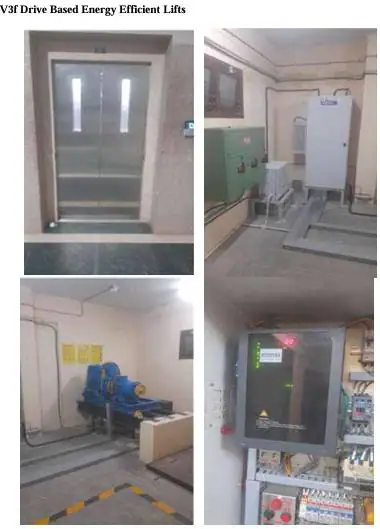
Objective 7 – Climate-resilient infrastructure
To develop technologies related to sustainable buildings, smart cities, climate-resilient agriculture and resilient construction materials.
Automatic System for Lights
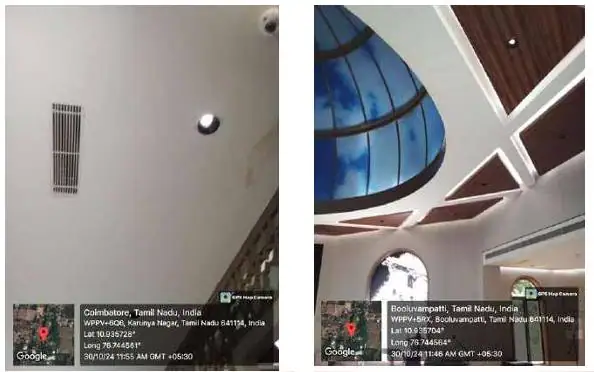
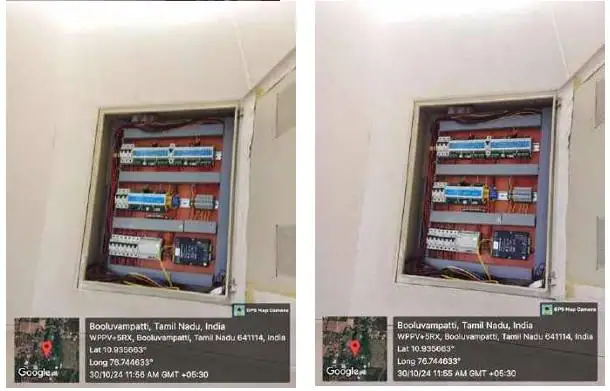
Objective 8 – Circular economy
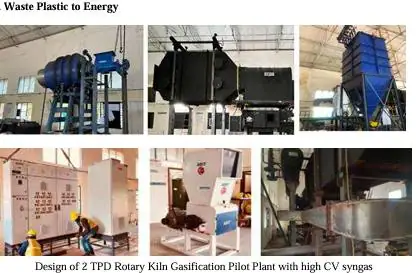
To convert waste materials into useful products through recycling, waste-derived materials, sustainable manufacturing and waste-to-energy technologies.
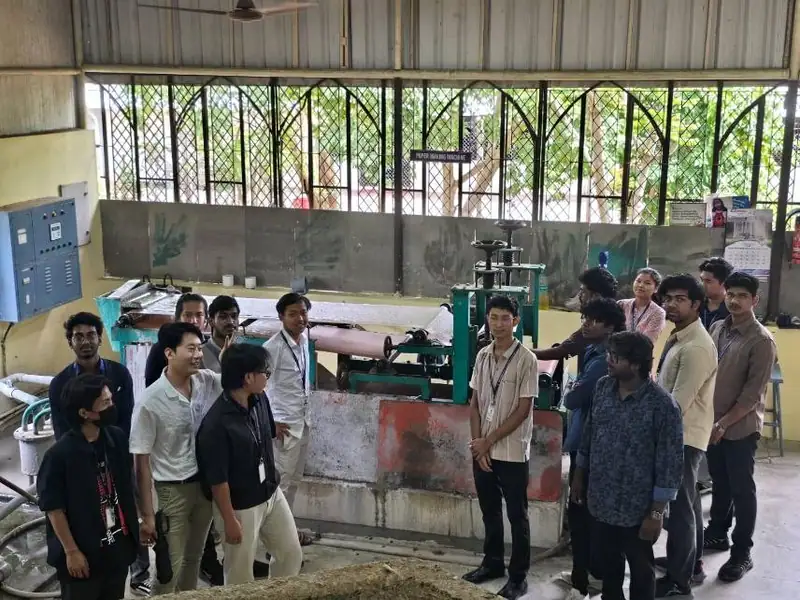
To engage students and community stakeholders in environmental awareness, tree plantation, conservation and sustainability activities.
4. CURRICULUM INTEGRATION
4.1 Direct curriculum integration
KITS explicitly states that the curriculum addresses:
Water scarcity
Environmental pollution
Energy crisis
Climate change
The curriculum is linked to PEOs, POs, PSOs and COs and includes environmental consciousness as one of the skills developed through the curriculum.
KITS has meticulously crafted a forward-thinking, innovative and responsive curriculum driven by societal needs, technological advancements, industry standards and product-oriented outcomes. This curriculum is guided by Program Educational Objectives (PEOs) aligned with the Institution's Vision and Mission. It's designed to cater to local, regional, and global stakeholders' needs, incorporating specific requirements stipulated in the Program Criteria.
- Beyond fundamental program elements, the curriculum addresses location-specific concerns like water scarcity, environmental pollution, energy crisis, and climate change. It integrates topics such as AI, ML, Robotics, and Automation to tackle societal challenges, as reflected in learning outcomes including Program Outcomes (POs), Program Specific Outcomes (PSOs), and Course Outcomes (COs).
- The curriculum encompasses 147 food-related courses, 145 healthcare courses, 31 water-related courses, 24 renewable energy courses, and 697 next-gen technology courses across Engineering, Arts & Sciences, Agriculture, and Management programs.
- It incorporates domain-specific requirements from professional societies like ASME, AIAA, ASCE, IEEE, CSI, BIO, ABLE, AIMA, CII, CMA, AICPA, and ACCA. These are reflected in the PSOs for Engineering, Agriculture, Sciences, Commerce, and Management programs.
- The curriculum adheres to higher education policies and guidelines set by the Ministry of Education, UGC, AICTE, ICAR, and effectively meets industry and societal requirements.
- Regular revisions are undertaken in line with changing societal demands. Inputs from various stakeholders, including industry, prominent academic Institutions, research organizations, alumni, faculty, and students, contribute to these updates.
4.2 Quantitative curriculum evidence
| Curriculum category | Number of courses |
|---|---|
| Food-related courses | 147 |
| Healthcare courses | 145 |
| Water-related courses | 31 |
| Renewable-energy courses | 24 |
| Next-generation technology courses | 697 |
These courses are distributed across Engineering, Arts & Sciences, Agriculture and Management programmes.
The 31 water-related courses and 24 renewable-energy courses are particularly relevant to SDG 13.
4.3 Experiential learning
Teaching-Learning Process KITS adopts learner-centric methodologies to enhance students' learning experiences. These strategies include flipped classrooms, domain-specific workshops, concept and mind mapping, case studies, role-playing, peer group learning, presentations, industry and community-oriented projects, internships, virtual simulation labs, field visits, and industry training. Periodically, faculty members undergo training to embrace student-centric approaches.
Learning Practices at KITS Experiential Learning
- Students actively contribute to funded projects and consultancies alongside Principal Investigators, gaining valuable research experience.
- Programs like Rural Agriculture Work Experience (RAWE) are executed for final-year B.Sc. (Hons) Agriculture students, adhering to ICAR norms. These programs span 20 weeks with 20 credits, including a 4-week Agro Industrial Attachment (AIA).
- Faculty members blend traditional and contemporary methodologies to engage students in participatory learning, nurturing lifelong learning skills.
- Signature events like MindKraft and Innovation Day encourage participatory and peer learning by enabling students to collaborate in teams, present prototype models, and showcase technical prowess.
- The student-driven IAESTE program involves roles as Managers, Executives, and Coordinators, enhancing leadership and organizational skills. Problem-Solving Learning
- Students exhibit creativity and innovative ideas through participation in initiatives such as Smart India Hackathons, Make in India, and AMCATathon. Collaboration with Major League Hacking led to the organization of 12 and 24-hour hackathons.
- As a result, student-led organizations like KarunyaHacks (Technical Team), KarunyaKreatives (Design Team), and Karunya E-Cell (Entrepreneurship Team) emerged, nurturing innovation and entrepreneurship. Blended Learning
4.4 Climate-related project themes
Smart Technology for Precision Farming
Agriculture is vital but often neglected due to water scarcity and outdated techniques. With Industry 4.0, IoT, AI, and Blockchain are transforming conventional farming into digital agriculture, ensuring better climate adaptation, soil health, and pest control.
Small Satellite Technology
Small satellites reduce space mission costs while expanding capabilities. KITS, in collaboration with TU Berlin, is developing a satellite for wildlife monitoring in the Western Ghats to prevent human-animal conflicts.
Green & Sustainable Manufacturing
Sustainable manufacturing minimizes waste and environmental harm. This mission focuses on reducing toxic material usage, maximizing renewable energy, and converting waste into sustainable energy.
Green Energy Technology
With fossil fuels depleting, this mission promotes renewable sources like solar, wind, and bioenergy, integrating AI and nanotechnology to optimize green energy solutions.
Millets for Nutrition
Millets, resilient and nutrient-rich, can combat malnutrition. This mission promotes millet consumption and develops innovative processing technologies.
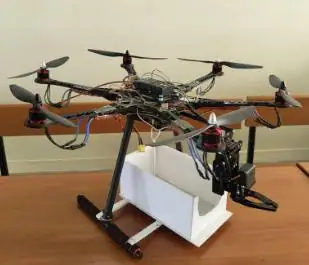
Drone Technology for Agriculture
Drones are transforming agriculture through GIS mapping, land and crop monitoring, and livestock health assessment, improving efficiency and productivity.
Wetland Conservation
Wetlands support biodiversity and climate balance. KITS collaborates with global agencies to restore wetlands and improve water quality.
Technology for Food Security
Food shortages affect millions. KITS is developing innovative storage, processing, and nutritional solutions to ensure food security.
Smart Intelligent Buildings
Integrating AI, IoT, and sensors, this mission enhances energy efficiency and safety in smart buildings for sustainable infrastructure.
Smart Vehicles
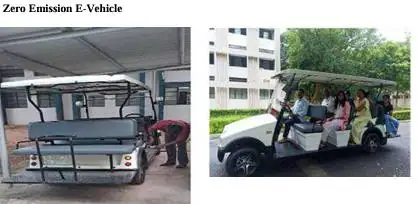
Focusing on alternative energy, AI-driven automation and smart sensors, this mission develops intelligent vehicles for diverse applications, including healthcare and surveillance.
Water Treatment & Desalination
Water scarcity is a global crisis. KITS is pioneering cost-effective, AI-integrated treatment solutions for potable and gray water.
Smart City Development
KITS contributes to smart city infrastructure by leveraging AI, IoT, and data science for urban sustainability and efficiency.
Rural Development
Enhancing rural infrastructure, healthcare, and self-employment, this mission introduces sustainable solutions for clean water, biogas, and agricultural advancements.
5. RESEARCH AND INNOVATION
5.1 Overall research performance
Karunya Institute of Technology and Sciences maintains a multidisciplinary research ecosystem addressing climate change, renewable energy, drought vulnerability, and carbon management:
- ₹1,413.88 lakh external research funding mobilized over the preceding three academic years.
- ₹906.12 lakh sponsored research projects sanctioned during 2024–25.
- More than 1,673 multi-year indexed research publications (Scopus / Web of Science).
- Exactly 72 peer-reviewed Scopus papers published during 2024–2025 dedicated directly to climate change mitigation, carbon sequestration, agro-meteorology, and low-carbon energy (34 publications in 2024 and 38 publications in 2025; documented in Table 3).
- 38 institutional patents granted during 2024–25 by the Indian Patent Office.
- 125 academic books and book chapters published with reputed international publishers.
- Active industrial testing and consultancy services supporting sustainable infrastructure.
5.2 Funded research projects directly relevant to SDG 13
Climate/sustainability-relevant funded projects:
| Sl.No. | Project | Faculty | Agency | Amount | SDG relevance |
|---|---|---|---|---|---|
| 1 | LoRa-Drone Surveillance for Man-Animal Conflict | Dr. Prawin Angel Michael | IIT Palakkad Technology iHub Foundation | ₹9.55 lakh | Climate/environmental monitoring and human-wildlife resilience |
| 2 | Experimental Investigation of a Novel Low Temperature Med Desalination Technology | Dr. L. Godson Asirvatham / Dr. B. Jefferson Raja Bose | Indian Academy of Sciences | ₹44.75 lakh | Water security and climate adaptation |
| 3 | Development of an Eco-Friendly Sustainable Technology – Pilot Plant to Recycle Non-Ferrous Metallic Waste Scraps | Dr. S.J. Vijay / Dr. M. Wilson Kumar | DST-TTI-WMT | ₹69.98 lakh | Circular economy and resource efficiency |
| 4 | Scale Up of Heat Pipe-Assisted Hybrid Solar Drying System for Agricultural Products in Tribal Areas | Dr. A. Asha Monicka / Dr. A. Brusly Solomon | IIT Palakkad Technology iHub Foundation | ₹9.99 lakh | Solar energy and sustainable agriculture |
| 5 | Strategies for Improving the Performance of Concrete under Extreme Fire Condition | Dr. N. Anand | Hungarian research funding agencies / BME | ₹57.69 lakh | Climate-resilient and fire-resilient infrastructure |
| 6 | Blockchain Powered Smart Energy Meter | Dr. J. Jayakumar | DST-IHub, IIT Palakkad | ₹10 lakh | Smart energy management and energy efficiency |
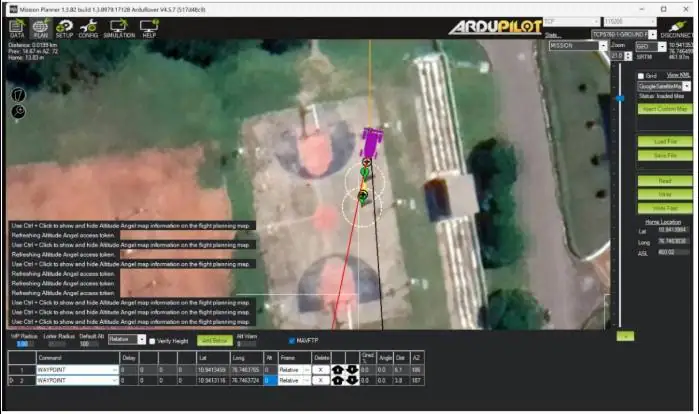
| 7 | IoT-based Remote Monitoring and Alerting of Human-Elephant Conflict Mitigation | Dr. Manoj G | UBA / Technology Development | ₹1 lakh | Environmental resilience and human-wildlife adaptation |
5.3 Short-Term Research Grants
KITS provides an important climate-relevant research portfolio
Energy-related projects
High Efficiency Rooftop Vertical Axis Wind Turbine for Harnessing Wind and Solar Energy – ₹1.25 lakh
Development of Methods and Processes for Solar Panel Recycling – ₹1.30 lakh
Passive Thermal Management for Electric Vehicles – ₹1.25 lakh
3D Printer for Fabricating Sustainable Products – ₹1 lakh
Solar Energy Driven Popcorn Maker and Steamer – ₹44,500
Water/environment-related projects
Chlorine Decay Model in Drinking Water Distribution Network – ₹90,000
Machine Learning-based Water Quality Analysis and Prediction System – ₹10,000
Water Pollution Monitoring System – ₹17,050
IoT-enabled Eco-Brick Management System – ₹12,000
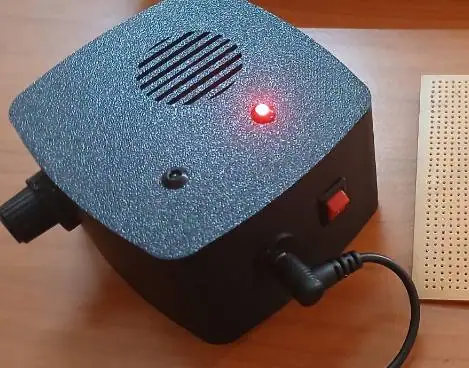
Advanced Eco Pest Zapper – ₹22,000
These projects directly contribute to renewable energy, energy efficiency, water quality, pollution monitoring, waste management and sustainable products.
5.4 Research publications relevant to SDG
| Sl.No | Title | Authors | Year | Scopus Source title | Volume | Issue |
|---|---|---|---|---|---|---|
| 1 | Limestone calcined clay cement (LC3): A sustainable solution for mitigating environmental impact in the construction sector | Kanagaraj, B.| Anand, N.| Johnson Alengaram, U.| Samuvel Raj, R.| Karthick, S. | 2024 | Resources, Conservation and Recycling Advances | 21 | - |
| 2 | Evaluating the Impact of Personal Exposure to Emissions from Sustainable Commercial Heating and Cooking Fuels on Women in Rural Southern India and Their Alignment with Sustainable Development Goals | Perumpully, S.J.| Gautam, S.| John Paul, J.| Sreenath, M. | 2024 | Water, Air, and Soil Pollution | 235 | 1 |
| 3 | Navigating climate change in southern India: A study on dynamic dry-wet patterns and urgent policy interventions | Gautam, S.| Shany V, J. | 2024 | Geosystems and Geoenvironment | 3 | 2 |
| 4 | Exploring radiative forcing sensitivity to aerosol optical properties across varied geographical regions in India | Gautam, S.| Blessy, A.| Abhilash, P.| Yadav, A.| Justin, A. | 2024 | Air Quality, Atmosphere and Health | 17 | 8 |
| 5 | Jackfruit waste for the production of sustainable biorefinery products: a step towards bio-economic advancement | Chakraborty, A.| Panda, J.| Mishra, A.K.| Sivakumar, S.| Srinivasan, L.V.| Nongbet, A.| Mohanty, S.S.| Rustagi, S.| Nath, P.C.| Wagh, M.S.| Mohanta, Y.K. | 2025 | Biomass Conversion and Biorefinery | 15 | 7 |
| 6 | Smart home energy management systems in India: a socio-economic commitment towards a green future | George, T.| Selvakumar, A.I. | 2024 | Discover Sustainability | 5 | 1 |
| 7 | Genome editing of Plant Growth-Promoting Microbes (PGPM) towards developing smart bioformulations for sustainable agriculture: Current trends and perspectives | Thankappan, S.| Binodh, A.K.| Kumar, P.R.| Kurien, S.| Narayanasamy, S.| Prabina, J.B.| Uthandi, S. | 2024 | Genome Editing in Bacteria (Part 2) | - | - |
| 8 | Comparative Analysis of Coal and Biomass for Sustainable Energy Production: Elemental Composition, Combustion Behavior and Co-Firing Potential | Trivedi, K.| Sharma, A.| Kanabar, B.K.| Arunachalam, K.D.| Gautam, S. | 2024 | Water, Air, and Soil Pollution | 235 | 11 |
| 9 | Advancements in soil moisture estimation through integration of remote sensing and artificial intelligence techniques | P, H.| Gautam, S.| Joshi, S.K.| Asirvatham, L.G.| Rakshith, B.L. | 2025 | Science of the Total Environment | 1001 | - |
| 10 | A comprehensive review on life-cycle assessment of concrete using industrial by-products | Kanagaraj, B.| Anand, N.| Johnson Alengaram, U.| Samuvel Raj, R.| Lubloy, E. | 2025 | Case Studies in Chemical and Environmental Engineering | 12 | - |
| 11 | Elevated-temperature performance of alkali-activated nano concrete: The role of sustainable nanomaterials | Samuvel Raj, R.| Arulraj, G.P.| Anand, N.| Kanagaraj, B.| Lubloy, E.| Joseph, P. | 2025 | Case Studies in Construction Materials | 22 | - |
| 12 | A comprehensive review of indirect solar drying techniques integrated with thermal storage materials and exergy-environmental analysis | Monicka, A.A.| Shree, P.| Freeda Blessie, R.| Tazeen, H.| Navaneetham, B.| Sheryl Andria, S.| Brusly Solomon, A. | 2025 | Environment, Development and Sustainability | 27 | 10 |
| 13 | Influence of Nano-Fly Ash on mechanical properties, microstructure characteristics and sustainability analysis of Alkali Activated Concrete | Raj R, S.| Arulraj, G.P.| Anand, N.| Kanagaraj, B.| Lubloy, E. | 2024 | Developments in the Built Environment | 17 | - |
| 14 | Nano-bentonite as a sustainable enhancer for alkali activated nano concrete: Assessing mechanical, microstructural, and sustainable properties | Samuvel Raj, R.| Arulraj, G.P.| Anand, N.| Kanagaraj, B.| Lubloy, E. | 2024 | Case Studies in Construction Materials | 20 | - |
| 15 | Eco-friendly alkali-activated nano concrete: Impact of nano-GGBFS on mechanical and microstructural properties | Raj R, S.| Arulraj, G.P.| Anand, N.| Kanagaraj, B.| Lubloy, E. | 2025 | Case Studies in Chemical and Environmental Engineering | 11 | - |
| 16 | College bus commuter exposures to air pollutants in Indian city: The urban-rural transportation exposure study | Lakra, A.R.| Gautam, S.| Samuel, C.| Blaga, R. | 2025 | Geosystems and Geoenvironment | 4 | 1 |
| 17 | Recent progress in seaweed valorization for sustainable applications | Benita, S.| Subbiah, K.| Periyasamy, S. | 2025 | Discover Sustainability | 6 | 1 |
| 18 | Pathways to decarbonizing buildings: Harnessing energy efficiency and sustainable technologies | Qiu, L.| Li, H.| Wang, Z.| Yang, Y.| Lazarus, G.A.| Chen, Y.| Feng, Y. | 2025 | Thermal Science and Engineering Progress | 66 | - |
| 19 | Post-fire investigation on the mechanical properties and physical characteristics of fibre-reinforced geopolymer concrete | Prasad Burle, V.| Kiran, T.| Anand, N.| Andrushia, D.| Al-Jabri, K. | 2024 | Journal of Structural Fire Engineering | 15 | 1 |
| 20 | Crop water management using machine learning-based evapotranspiration estimation | Meenal, R.| Jala, P.K.| Samundeswari, R.| Rajasekaran, E. | 2024 | Journal of Applied Biology and Biotechnology | 12 | 2 |
| 21 | Breeding Barnyard Millet for Abiotic Stress Tolerance | Mohanapriya, B.| Shanmugam, A.| Francis, N.| Indhu, S.M.| Ravikesavan, R. | 2024 | Genetic Improvement of Small Millets | - | - |
| 22 | Unlocking the potential of Kodo millet: reviving an indigenous super grain for tomorrow's nutrition | Jeeva, G.| Suhasini, B.| Pramitha, L.| Jency, J.P.| Joshi, P.| Ravikesavan, R.| Elango, D. | 2024 | Planta | 259 | 6 |
| 23 | Dynamics of Microbial Ecology, Particulate Matter, and Bacterial Aerosols in Agriculture: Implications for Health and Sustainability | Gautam, S.| Rathikannu, S.| T, J.J.| Bhagat, P.S.| Singh, V.V.| Lakra, A.R. | 2024 | Water, Air, and Soil Pollution | 235 | 12 |
| 24 | A comprehensive review on mutation breeding milestones in cereals: Conventional to advanced molecular approaches to achieve sustainable goals in trait improvement | Jasmin, A.S.| Nilavu, E.D.| Jayakumar, A.| Petchiammal, I.K.| Pramitha, L.J.| Devasena, N.| Francis, N.| Madhavan, A.P.| Selvaraj, R. | 2024 | Plant Science Today | 11 | 1 |
| 25 | Bamboo biochar and carbonation enhanced the compressive and flexural strength of cement mortar | Chin, S.C.| Gunasekaran, P.K.| Che, J.| Anand, N.| Gimbun, J. | 2025 | Next Materials | 9 | - |
| 26 | Enhancing electric vehicle performance through buck-boost converters with renewable energy integration using hybrid approach | Sakthivel, A.| Ramesh, S.| Das, R.M.| Josh, F.T.| Kumar, U.A.| Mohan, B.S. | 2024 | Optimal Control Applications and Methods | 45 | 5 |
| 27 | Sustainable Air: Strategies for Cleaner Atmosphere and Healthier Communities | Gautam, S.| Gautam, A.S.| Awasthi, A.| Ramsundram, N. | 2024 | SpringerBriefs in Geography | 10517 | - |
| 28 | Spatial analysis and assessment of soil erosion in the southern Western Ghats region in India | B, A.| K.R, R.| R, S.R.| M, M.D.| K, R. | 2024 | Environmental Monitoring and Assessment | 196 | 9 |
| 29 | Seasonal impact of particulate matter exposure on urinary health of mine workers in iron ore mining environment | Singh, V.V.| Lakra, A.R.| Gautam, S. | 2025 | Geosystems and Geoenvironment | 4 | 1 |
| 30 | Petroleum and oil industries | Ray, S.| Shaju, S.T.| Jangid, C. | 2025 | Green Chemistry: A Path to Sustainable Development | - | - |
| 31 | Marker-assisted pseudo-backcrossing for developing climate-resilient rice | Dharmaraj, D.| Selvaraj, R.| Kari, B.| Govindan, S.| Muthurajan, R.| Paramasiwam, J. | 2024 | Scientific Reports | 14 | 1 |
| 32 | AI-based Carbon Footprint Tracking and Reduction | Vidhya, K.| Shaik Nabeel, A.F.| Nagarajan, B.| Thiyagu, T.M.| Archpaul, J.| Shirley, C.P. | 2025 | Proceedings of 6th International Conference on Intelligent Communication Technologies and Virtual Mobile Networks, ICICV 2025 | - | - |
| 33 | Ecodrive-Deep Learning Models For Accurate Prediction of Vehicle Co2 Emissions | Isaac, A.J.| Jenefa, A.| Samuel, R.J.R.| Raj, P.J.R.| Pratheesh Raj P, L.| Raghul Kanna, M. | 2024 | Proceedings of the 3rd International Conference on Applied Artificial Intelligence and Computing, ICAAIC 2024 | - | - |
| 34 | An Analysis on Energy Performance Assessment for Energy Efficiency Measures in Selected Commercial Buildings Using IoT Simulation Frameworks | Jubair Ahmed, L.| Dhanasekar, S.| Martin Sagayam, K.| Andrew, J.| Bhandage, V. | 2025 | Engineering Letters | 33 | 5 |
| 35 | Biofuel revolution: A credible inevitability or a future trend | Shepherd, R.| Syeda Zuhin, M.| Gomez, L.A.| Vijay, V.| Chandrapragasam, V.| Thathapudi, J.J. | 2024 | Bio Refinery of Wastewater Treatment: Way to Generate Waste to Value | - | - |
| 36 | Enhancing impact resistance and thermal stability of alkali-activated concrete with nanomaterial integration: a sustainable approach for construction | Raj R, S.| Arulraj, P.| N, A.| Kanagaraj, B.| Stochino, F. | 2025 | Journal of Structural Fire Engineering | 16 | 2 |
| 37 | A Potential Inhalation Risk to Daily Commuter: Mobile Monitoring of Black Carbon during Journey in Traffic Emissions | Mahato, D.K.| Ambade, B.| Gautam, S.| Kurwadkar, S.| Mohammad, F. | 2024 | Water, Air, and Soil Pollution | 235 | 7 |
| 38 | Curing Effect on the Strength of Cement Mortar with Bamboo Biochar | Selvanathan, P.| Gunasekaran, P.K.| Lai, Y.F.| Anand, N.| Chin, S.C. | 2024 | International Journal of Nanoelectronics and Materials | 17 | 3 |
| 39 | Aerosol Optical Depth and Precipitation: Measuring Particle Concentration, Health Risks and Environmental Impacts | Gautam, S.| Kumar, R.P.| Samuel, C. | 2024 | Aerosol Optical Depth and Precipitation: Measuring Particle Concentration, Health Risks and Environmental Impacts | - | - |
| 40 | Decision − support framework for translating strategic vulnerability assessment of freshwater wetlands: From theoretical concept to operational application | Srinithisathian, S.| Brema, J.| James, E.J.| Anandhi, A. | 2025 | Ecological Indicators | 179 | - |
| 41 | Plant Disease Forecasting: A Comprehensive Review | Sangeetha, B.| Vasanthi, E.A.P.| Parveen, S.S. | 2025 | International Journal of Horticultural Science and Technology | 12 | 3 |
| 42 | Comparative transcriptome profiling to untie the drought tolerance molecular mechanism of backcross rice (Oryza sativa L.) inbred | Baghyalakshmi, K.| Ramchander, S.| Jagadeeshselvam, N.| Raveendran, M.| Jeyaprakash, P. | 2024 | Plant Breeding | 143 | 6 |
| 43 | Identifying Drought-Tolerant Rice Genotypes using Drought Response Indices and Machine Learning | Daniels, D.A.| Binodh, A.K.| Raimond, K.| Thankappan, S. | 2024 | 2024 International Conference on Cognitive Robotics and Intelligent Systems, ICC - ROBINS 2024 | - | - |
| 44 | Advancements and Challenges in Flood Risk Assessment: A Scientometric Analysis of Global Trends | Singh, T.L.A.| Gautam, S.| Joshi, S.K. | 2025 | Blue Sky, Blue Water: Strategies for Protecting Air and Water Quality in the 21st Century | - | - |
| 45 | Mechanical and sustainability performance of concrete with discarded coconut coir as an alternative to conventional sand | Kanagaraj, B.| James, S.V.| Raj, R.S.| Anand, N. | 2025 | Discover Applied Sciences | 7 | 5 |
| 46 | Post-Fire Performance of Binary-Blended Geopolymer Concrete Structural Members | Kanagaraj, B.| Anand, N.| Andrushia, D.| Cashell, K.A. | 2025 | Fire Technology | 61 | 4 |
| 47 | Synthesis of nanoengineered microporous activated carbon from Nerium Oleander fruit seeds for the adsorptive removal of carbon dioxide (CO2) | Pandey, P.| Kansal, A.| Dhiman, M.| Subudhi, S.P.| Gautam, A.S.| Gautam, S. | 2024 | Environment, Development and Sustainability | 26 | 11 |
| 48 | Scouting rice (Oryza sativa L.) landraces for moisture stress tolerance using morphometric diversity analysis | Kathiresan, P.K.| Binodh, A.K.| Thankappan, S.| Francis, N.| Selvaraj, R.| Ramasamy, N.K.| Alagarswamy, S. | 2024 | Plant Science Today | 11 | 4 |
| 49 | Intraseasonal and interannual variability of the Total Ozone Column (TCO) in Brazilian biomes: An analysis of the multibiome trend in Mato Grosso do Sul - Brazil | Songa, M.| de Souza, A.| de Oliveira-Júnior, J.F.| Alencar Cardoso, K.R.| Gautam, S. | 2025 | Journal of Atmospheric and Solar-Terrestrial Physics | 277 | - |
| 50 | Flood stress and its effects on fruit crops: A critical review | Jervin Ananth, S.R.| Kurien, S.| Suresh, V.| Kumar, P.R.| Petchiammal, K.I. | 2025 | Journal of Applied Biology and Biotechnology | 13 | 5 |
| 51 | Revolutionising Crop Yield Prediction in Agriculture: Harnessing Machine Learning and Environment Factors for Effective Solutions in the Face of Climate Change | Joel, M.R.| Ebenezer, V.| Kirubakaran, S.S.| Edwin, E.B.| Thanka, M.R.| Alex, E.J. | 2024 | Artificial Intelligence for Precision Agriculture | - | - |
| 52 | Hybrid LSTM-Transformer and EPSO-EKF Framework for Advanced Battery Management Systems in Electric Vehicles | Manoj, D.| Josh, F.T. | 2025 | Tehnicki Vjesnik | 32 | 5 |
| 53 | ENZYME DYNAMICS IN AEROBIC PLANTS UNDER FLOOD STRESS (review) | Prasad, S.S.| Singh, A.| Murali, N.V.| Chimmalagi, U.| Jeevitha, D.| Das, U.| Adishesha, K.| Sutradhar, M. | 2025 | Sel'skokhozyaistvennaya Biologiya | 60 | 5 |
| 54 | An Upliftment Strategy for Little Millet Improvement by Unravelling the Hidden Molecular Network Behind Its Miracle Properties | Indhu, S.M.| Francis, N.| Mohana Priya, B.| John Joel, A. | 2024 | Genetic Improvement of Small Millets | - | - |
| 55 | Performance Analysis of a Monocrystalline Solar PV Module With 144 Mono Perc Cells Used for Home Energy Management | George, T.| Selvakumar, A.I. | 2025 | AIP Conference Proceedings | 3311 | 1 |
| 56 | Prediction and Optimization of Carbon Footprint | Sumitha, R.| Priyadharshini, C. | 2025 | 16th International Conference on Advances in Computing, Control, and Telecommunication Technologies, ACT 2025 | 2 | - |
| 57 | Blue Economic Growth from the Southern Coast of Bangladesh: Barriers, Opportunities, and Policy Instruments | Auyon, S.T.| Islam, H.M.R.| Khatun, F.| Khan, M.B.| Gautam, S. | 2025 | Blue Sky, Blue Water: Strategies for Protecting Air and Water Quality in the 21st Century | - | - |
| 58 | Metal oxide doping for sensor applications | Gururajan, B.| Narasihman, V.| Paul, D.R.| Sasikumar, D.| Liu, W.-S.| Kondapavuluri, B.| Srinivasan, P.| Madanagurusamy, S. | 2025 | Doping of Metal Oxides: From Fundamentals to Applications | - | - |
| 59 | Impact of zinc fortification on yield and quality of Pearl millet (Pennisetum glaucum L.) in the Western ghat region of Coimbatore District under irrigated conditions | Dhivyalakshmi, T.| Augustine, R.| Kumar, R.S.A.| Shiny, A.V.A. | 2025 | Journal of Applied and Natural Science | 17 | 3 |
| 60 | Environmental Education and Youth Empowerment A Pathway to Sustainable Conservation | Jibin Jose, P.| Dhanaraj, A. | 2025 | Blue Sky, Blue Water: Advances in Air Pollution, Climate Resilience, and Water Governance for Sustainable Futures | - | - |
| 61 | Renewable energy usage for home energy management and its adverse impact due to the increasing trend of electric load addition in homes in the State of Kerala, India | George, T.| Immanuel Selvakumar, A. | 2025 | International Journal of Applied Power Engineering | 14 | 2 |
| 62 | Synergistic effect of pulse intercropping on productivity pattern of little millet (Panicum sumatrense L.) under rainfed condition | Vadhani, A.R.V.| Mohanapriya, R. | 2025 | Environment Conservation Journal | 26 | 4 |
| 63 | Monsoon Shifts and Their Impact on Air Quality and Weather: A Case Study of the Amaravathi River Basin, India | Kumar, R.P.| Brema, J.| Gautam, S.| Catherina, G. | 2024 | Aerosol Optical Depth and Precipitation: Measuring Particle Concentration, Health Risks and Environmental Impacts | - | - |
| 64 | Genetic Improvement of Proso Millet Through Advanced Biotechnological Approaches | Francis, N.| Indhu, S.M.| Mohanapriya, B.| Ravikesavan, R. | 2024 | Genetic Improvement of Small Millets | - | - |
| 65 | Role of Digital Twins in Promoting Sustainability in Commerce | Venkatesan, R.| Benny, B.| Shirley, C.P.| Berin Jeba Jingle, I. | 2024 | Proceedings - 2024 4th International Conference on Pervasive Computing and Social Networking, ICPCSN 2024 | - | - |
| 66 | A Deep-Learning based Approach for GLOF Risk Assessment through Lake Segmentation with Yolo Variants - Comparative Study | Pooja, S.G.| Priyadharsini, C. | 2025 | 16th International Conference on Advances in Computing, Control, and Telecommunication Technologies, ACT 2025 | 2 | - |
| 67 | Electric Vehicle Integrated Smart Grid-Technologies, Impacts, and Control Strategies | Kuruvilla, V.| Venkatesh Kumar, P. | 2024 | Lecture Notes in Electrical Engineering | 1117 | - |
| 68 | PLANT LEAF DISEASE DETECTION AND CLASSIFICATION USING INTENSIVE PRAGMATIC BLOSSOMS METHOD FOR AGRICULTURAL APPLICATIONS | Jothimalar, T.| Daniel Madan Raja, S.| Bennila Thangammal, C.| Srinitya, G. | 2025 | Journal of Environmental Protection and Ecology | 26 | 2 |
| 69 | Reproductive physiology of small millets - An overview | Samundeswari, R.| Kurien, S.| Sunil, J.A.| Ramchander, S.| Lydia Pramitha, J.| Poonguzhali, R.S.| Anitha, M. | 2025 | Plant Science Today | 12 | 1 |
| 70 | Stability analysis in rice (Oryza sativa L.) through AMMI and GGE biplots | Vikram, B.| Pramitha, J.L.| Ramchander, S.| Kumar, P.D.| Kalaiarasi, J.P.| Devasena, N. | 2025 | Electronic Journal of Plant Breeding | 16 | 2 |
| 71 | Sensor-enabled insights into aerosol optical depth and climate variability: a scientometric analysis | Perumpully, S.J.| Gautam, S. | 2025 | Air Quality Monitoring and Management Using Sensors | - | - |
| 72 | Assessing the drought extent using multiple indices of LANDSAT data-Case study of Coimbatore District | Alex, I.J.R.| Suguna Devakumari, M.| Isaac, M.R.| Augustine, R. | 2025 | Disaster Advances | 18 | 8 |
5.5 Patents and technology development
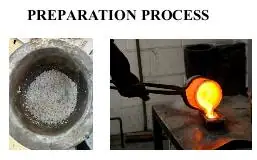
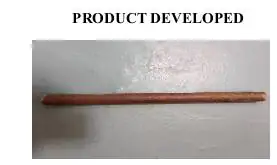
Climate/sustainability-relevant patent examples include:
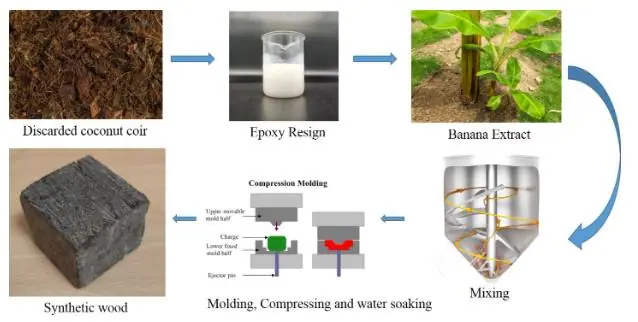
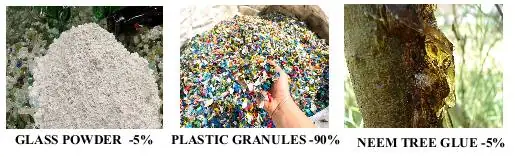
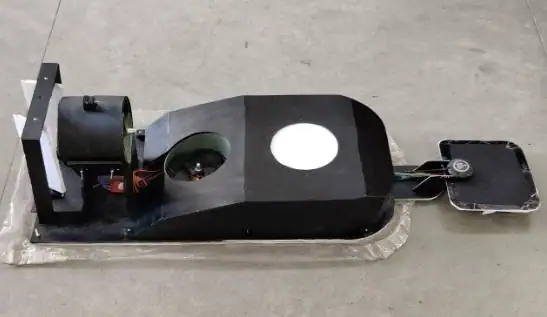
Artificial Wood
5.6 Products developed
KITS identifies particularly strong circular-economy and sustainability-oriented products:
Artificial Wood
5.7 Startups and entrepreneurship
The KTBIP ecosystem supports startups in:
Renewable energy
Sustainability solutions
Smart manufacturing
Agritech
Social innovation.
Climate/environment-related startup examples include:
Algamoksh – A complete Solution for Environment Needs
Reverse Vending Machine – designed to generate highly pure, compacted recyclables and reduce downstream processing costs
Advanced Passive Cooling Solutions
6. EVENTS ORGANIZED RELATED TO SDG 13
KITS organises seminars, conferences, workshops, training programmes, FDPs and guest lectures
The following activities have direct SDG-13 relevance.
| Activity | Date | SDG 13 |
|---|---|---|
| FDP – Sustainable Development and Climate Change | 24–30 June 2024 | Direct climate education and faculty capacity building |
| FDP – Sustainability and Research in Modern Mechanical Engineering | 23–27 Sept. 2024 | Sustainable engineering research |
| Seminar – Futuristic Green Energy Technologies | 17 Dec. 2024 | Renewable/green energy awareness |
| FDP – Green Hydrogen and Carbon | 9–14 Dec. 2024 | Low-carbon energy and carbon technologies |
| FDP – Green Chemistry, Sustainable Agriculture and Advanc | 17–22 Feb. 2025 | Sustainable agriculture and resource efficiency |
| FDP – Sustainable Manufacturing & Industry 4.0 | 1–5 July 2024 | Sustainable production and resource efficiency |
| FDP – Innovations in Food Processing and Packaging: Sustainability Challenges and Future Scenarios | 2–7 Dec. 2024 | Sustainable production and resource efficiency |
| Electric Vehicle Technology – Guest Lecture | 4 Nov. 2024 | Low-carbon mobility |
| Sustainable Air and Space Technologies – International Conference | 25 Apr. 2025 | Sustainable aerospace technologies |
7. COMMUNITY OUTREACH AND EXTENSION ACTIVITIES
7.1 NCC Tree Plantation Drive
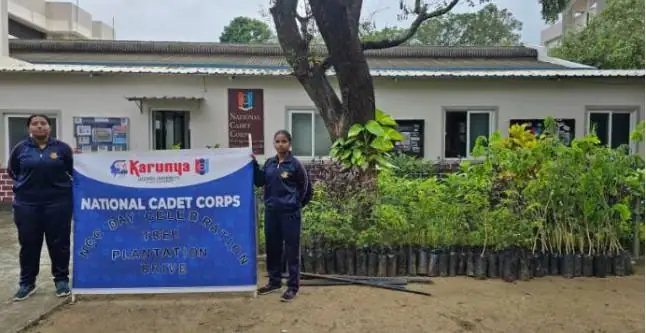
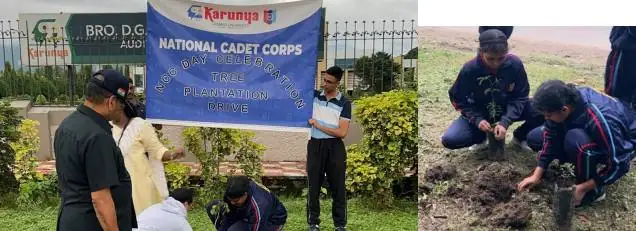
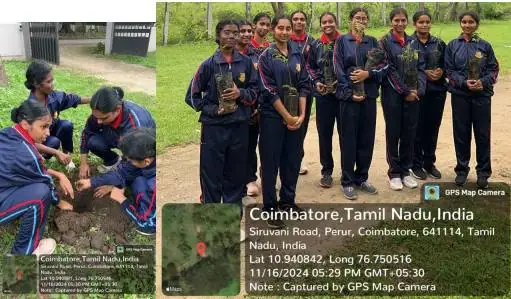
A Tree Plantation Drive was organized on 16 November 2024.
The stated objectives were:
Increase green cover
Fight global warming
Create a better living environment for future generations.
NCC cadets actively participated, and photographs were shared through social-media platforms.
SDG 13 contribution
This directly supports:
Carbon sequestration
Green-cover enhancement
Climate awareness
Environmental stewardship
7.2 Swabhav Swachatha Sanskar Swachatha
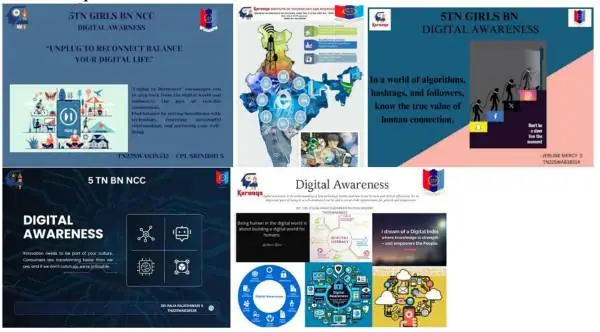
The programme was organized on 21 November 2024 to create awareness about cleanliness and responsible surroundings. NCC cadets participated by producing video vlogs and posters.
This supports SDG 13 indirectly through environmental awareness and responsible resource/waste practices.
7.3 Environmental conservation through Navy Bike Expedition interaction
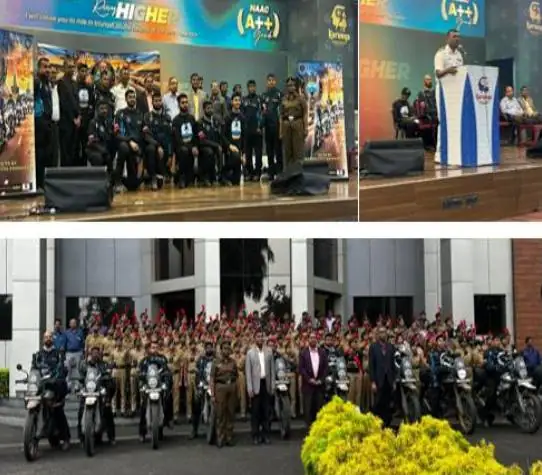
On 12 December 2024, NCC cadets interacted with navy officers during the Navy Bike Expedition.
7.4 Rural Climate Vulnerability & Drought Resilience Advisories (Siruvani Tribal Basin)
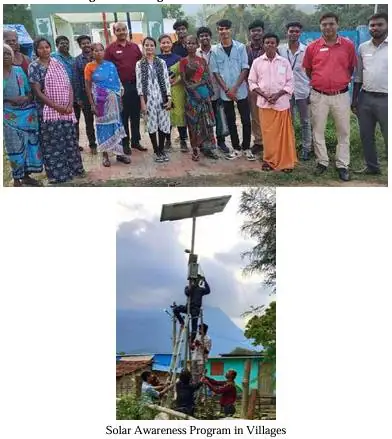
Faculty and agricultural researchers from KITS conduct periodic climate-adaptation workshops for smallholder and tribal farmers across the Western Ghats foothill settlements surrounding Siruvani. Training focuses on:
- Cultivation of climate-resilient and drought-tolerant small millets (pearl, proso, and little millet).
- In-situ soil moisture conservation through pulse intercropping and bio-mulching.
- Organic vermicomposting and biochar application to enhance agricultural soil carbon sequestration.
- Seasonal weather advisories utilizing institutional automatic weather station telemetry to mitigate monsoon erraticism.
8. PARTNERSHIPS AND COLLABORATIONS
| Partners | Date | Division | Work |
|---|---|---|---|
| e-Royce Motors India Ltd | 01.07.2024 | EEE | Electric mobility / low-carbon transport |
| Central Tuber Crops Research Institute (CTCRI) | 10.09.2024 | Agriculture | Sustainable agriculture and climate resilience |
| CIRCOR Flow Technologies India Pvt. Ltd. | 16.09.2024 | Aerospace | Engineering/industrial technology |
| Garuda Aerospace Pvt. Ltd. | 20.11.2024 | Aerospace | Drone-based monitoring and technology |
| Confederation of Indian Industry (CII) | 22.03.2025 | IIE | Sustainable industry and innovation |
| Amara Raja Advanced Cell Technologies Pvt. Ltd. | 28.04.2025 | Physical Sciences | Battery/energy-storage technology |
| IIT Palakkad | 06.05.2025 | Research | Research collaboration and climate/sustainability technologies |
Partnership outcomes
KITS identifies broader outcomes from institutional collaborations, including:
Joint research
Technology development
Technology transfer
Industry interaction
Innovation
Student experiential learning
Entrepreneurship.
9. BEST PRACTICES
Best Practice 1 – Integrated Green Campus
Background
KITS has implemented multiple environmental interventions as a combined campus sustainability strategy.
Implementation
- 115-kW grid-tied rooftop solar PV network across two primary installations (95 kW Admin Block + 20 kW EVR/Oprah Mess).
- 7 solar-powered street lighting systems (120W crystalline PV with automated dusk-to-dawn controllers).
- 30 solar thermal water-heating systems (VESAT & TWINWALL models with combined 87,600 LPD capacity).
- 15,066 energy-efficient 18W LED tube lights (avoiding 861,900 kWh/yr; ₹81,88,050 annual savings).
- 4 anaerobic biogas plants (17,520 m³/year) generating 114 kg/day cooking gas, saving ₹23.10 lakh in commercial LPG.
- 4 centralized sewage treatment plants with 2,450 KLD total capacity (100% circular effluent reuse for campus irrigation).
- 33 engineered rooftop rainwater soak pits (1.8m dia × 3.0m depth) and dedicated aquifer recharge borewells.
- 25,000-litre ferrocement rainwater harvesting tank at the Administrative Block.
- Atmospheric Aerosol Monitoring Network and digital automatic weather logging station.
- Semi-automated paper recycling plant converting 150–200 kg/day of institutional waste paper into files and writing boards.
- Annual recurring savings of ₹23.10 lakh from biogas fuel substitution and ₹2.00 lakh from watershed recharge conservation.
Results
Biogas: ₹23.10 lakh annual saving
Paper recycling: 200 kg/day
Water conservation/recharge measures: ₹2 lakh annual saving.
Best Practice 2 – 25 Technology and Innovation Missions
The Technology Mission framework integrates Engineering, Science and Agriculture to address societal problems.
Climate-related missions include:
Green Energy Technology
Green & Sustainable Manufacturing
Precision Farming
Wetland Conservation
Smart Intelligent Buildings
Water Treatment & Desalination
Satellite & GIS Applications
Smart City Development
Rural Development.
Innovation
The strength of this model is its interdisciplinary structure connecting education, research, innovation and societal application.
Best Practice 3 – Climate-integrated curriculum
The curriculum directly addresses climate change, water scarcity, environmental pollution and energy crisis and contains:
31 water-related courses
24 renewable-energy courses
697 next-generation technology courses.
Best Practice 4 – Sustainability-oriented incubation
KTBIP supports startups in:
Renewable energy
Sustainability solutions
Agritech
Smart manufacturing
Social innovation.
The incubation process includes ideation, mentoring, prototyping, product validation, market linkage and technology transfer.
Best Practice 5 – Research-to-application model for climate solutions
The Institution connects funded research, short-term grants, patents, products and startups.
Examples include:
Research → Product → Application
Solar/wind research → renewable-energy technology
Waste research → artificial wood / PET composite reinforcement
Agricultural waste → biofuel
Water research → desalination/water-quality technologies
Sustainable construction → geopolymer/alternative materials
Environmental monitoring → satellite/GIS/IoT technologies.
This creates a strong institutional pathway for converting research into practical climate solutions.
10. CONCLUSION
Karunya Institute of Technology and Sciences demonstrates an integrated, evidence-backed institutional model for SDG 13 (Climate Action) during 2024–25, structured across four foundational pillars:
- Operational Decarbonization & Clean Energy (THE Metric 13.2): Achieved a 29.68% low-carbon energy share (1,842,415.71 kWh/year) generated through 115 kW of rooftop solar PV (111,861.71 kWh), 30 solar thermal water heaters (1,545,718 kWh equivalent), and four anaerobic biogas plants (184,836 kWh equivalent displacing ₹23.10 lakh in LPG). Campus electricity consumption dropped 8.0% to 6,207,259 kWh, supported by 15,066 LEDs saving ₹81.88 lakh/year, and four STPs (2,450 KLD combined capacity) achieving 100% circular wastewater reuse with Zero Liquid Discharge.
- Carbon Neutrality Governance (THE Metric 13.4): Formal adoption of the Climate Change Mitigation and Sustainability Policy (KITS/CCMSP/2025/01) and Energy and Carbon Management Policy (KITS/ECMP/2025/01), binding the university to Net Zero Scopes 1 and 2 emissions by 2035, Net Zero Scope 3 emissions by 2040, and an interim 30% reduction by 2027 paired with capital divestment from fossil fuels.
- Research and Technological Innovation (THE Metric 13.1): Mobilization of ₹906.12 lakh in sponsored research, 38 granted patents, and exactly 72 peer-reviewed Scopus publications during 2024–2025 dedicated directly to climate change modeling, carbon sequestration, agro-meteorology, and renewable energy (34 papers in 2024 and 38 papers in 2025).
- Academic and Community Leadership (THE Metric 13.3): Active delivery of 31 water-related and 24 renewable-energy courses, complemented by tree plantation drives, public clean-up campaigns, and rural drought resilience training for indigenous farming communities in the Siruvani basin.