Plans to upgrade Existing Buildings to Higher Energy Efficiency Buildings
Karunya Institute of Technology and Sciences (KITS) continues to prioritize sustainable development and energy conservation through comprehensive strategies that focus on upgrading its existing buildings to achieve higher energy efficiency. In alignment with national and global goals on sustainable energy (SDG 7), the University remains committed to reducing carbon emissions, optimizing power usage, and adopting renewable and energy-efficient technologies across campus facilities.
Smart Building Implementation
The buildings of KITS are provided with adequate natural lighting & ventilation by providing the openings for windows and doors to the extent of 5 to 20% of the wall area ensuring medium permeability as per Indian standards. This reduces the utilization of electrical fittings such as lights, fans and air conditioner. Solar lightings are also provided in the campus which reduces the consumption of conventional electricity. As the Institution is located in the foothills of Western Ghats the environment is free from pollution. The students are restricted from the consumption of Tobacco by ensuring Tobacco free campus resulting in the indoor environmental quality.
The standard safety measures are strictly ensured for the construction labourers in all the building projects. Research on reuse of the demolished building materials are being carried out by the department of Civil Engineering. Priority is given for the faculty using electrical vehicles and solar vehicle to reduce the carbon dioxide emission. All building are provided with the rain water harvesting and recharging of open wells.
Green audit, Environment Audit, Energy Audit and Hygiene Audit are being conducted to monitor the effectiveness of implementation of smart building concepts. Students have taken up innovative projects leading to smart infrastructure concepts.
Smart building implementation
(Total smart building area / total building area)×100%
Total Building Area: 244340 m2
(233752 m2 / 244340 m2)×100%=95.67%
Institutional Commitment to Energy Efficiency
KITS energy policy emphasizes the regular assessment and upgradation of existing infrastructure to align with current energy efficiency standards. Each year, a detailed review is conducted to identify outdated or energy-intensive systems and to replace them with modern, low-consumption, and eco-friendly alternatives. The administration places energy conservation as a strategic priority, integrating it into both operational practices and long-term development plans.
All renovations and new constructions within the campus adhere to energy-efficient design principles and follow institutional guidelines ensuring compliance with national energy conservation codes. The University also encourages departments and administrative units to incorporate sustainable technologies and smart controls into their daily operations.
Upgradation of Existing Systems
The University has systematically replaced conventional and high-energy-consuming equipment with more efficient and automated systems.
The key areas of modification include:
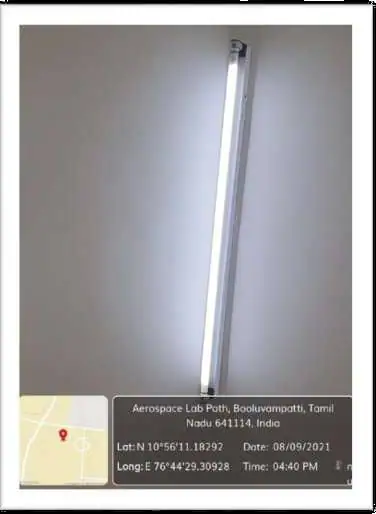
- Lighting: Systematic phased replacement of 40W fluorescent tube lights with 18W high-lumen LED fixtures and solar-powered street lighting.
- Air Delivery & HVAC: Installation of 28W Brushless DC (BLDC) ceiling fans and High-Volume Low-Speed (HVLS) fans in large congregational halls, replacing high-wattage induction motors.
- Water Distribution: Integration of automated wireless water-level controllers and variable-frequency drives (VFDs) on pump motors to eliminate tank overflows and optimize pumping schedules.
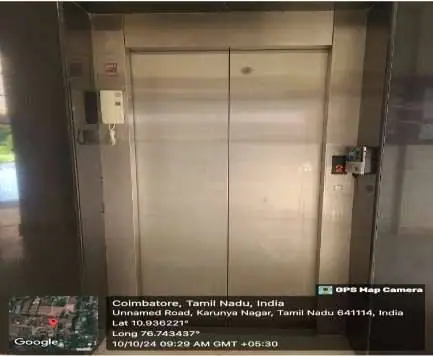
- Vertical Mobility: Modernization of campus passenger and goods elevators using Variable Voltage Variable Frequency (V3F) regenerative energy drives.
- Computing Infrastructure: Phased deployment of Energy Star-rated desktop processors and thin-client green computing terminals with automatic low-power sleep state protocols.
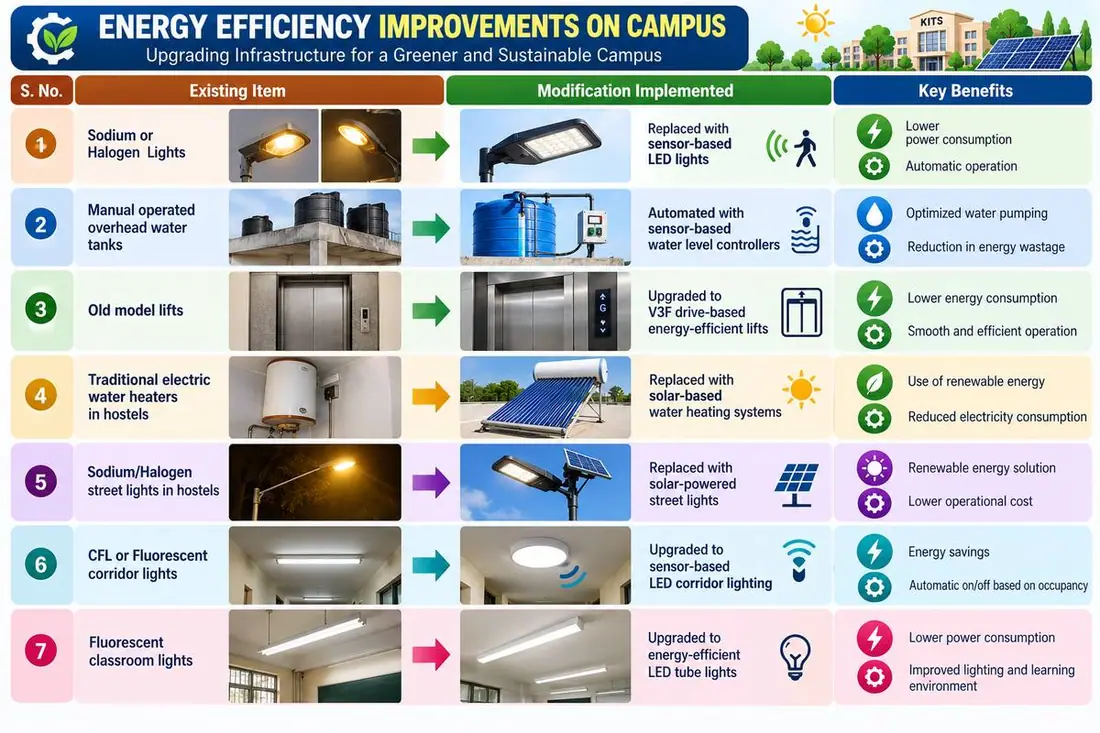
These replacements have significantly reduced electricity consumption across the campus, improved the operational lifespan of fixtures, and minimized maintenance costs.
Solar Street Lighting System
Karunya Institute has successfully implemented solar-powered street lighting in multiple campus locations. A total of seven solar street lights have been installed in strategic areas such as the Guest House, the vicinity of the S&H Auditorium, and the Mechanical Building Yard. All units are operational and utilize crystalline solar panels integrated with high-efficiency solar cells and low-maintenance lead-acid batteries.
Each system is equipped with robust mechanical features including toughened glass covers, anodized aluminium mounting frames, and ABS-moulded junction boxes for durability. The installation of these lights has effectively reduced dependency on grid-based electricity and enhanced illumination quality in outdoor areas while promoting safety and sustainability.
Adoption of Solar Energy Systems
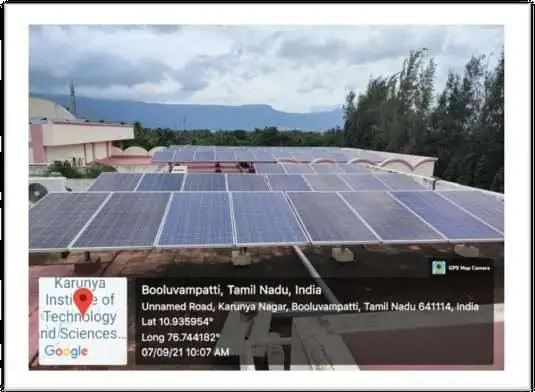
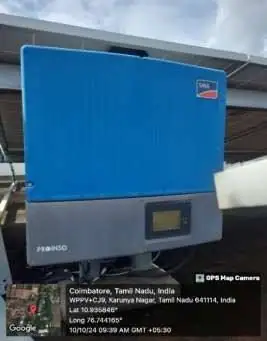
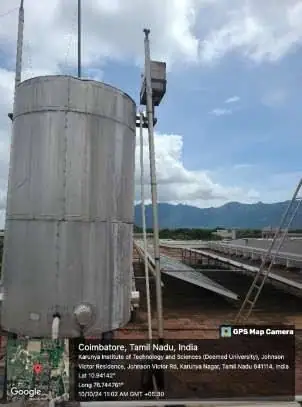
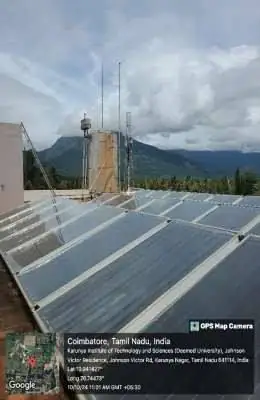
In its journey towards renewable energy integration, the University has invested substantially in solar power and water heating systems. The campus solar infrastructure includes two major grid-tied rooftop solar PV plants installed on administrative and student dining facilities, alongside extensive solar water heating systems serving student residential hostels.
The total renewable energy generated from these solar installations is 1,657,579.71 kWh per annum, distributed as follows:
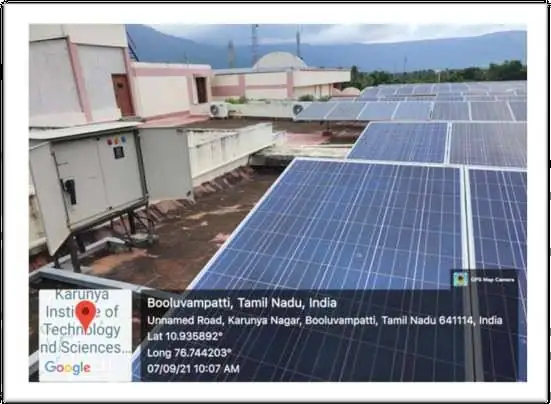
- 95 kW Rooftop Solar PV Plant (Administrative Block): 87,473.71 kWh
- 20 kW Rooftop Solar PV Plant (EVR / Oprah Mess Building): 24,388.00 kWh
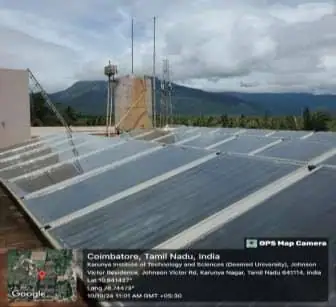
- 87,600 LPD Solar Water Heating Systems (30 units across hostels): 1,545,718.00 kWh equivalent
(Solar Energy Generated): 1,657,579.71 kWh
In addition to solar installations, there are four residential digestion biogas plants utilizing food and kitchen organic waste (17,520 m³/year), generating an energy equivalent of 184,836.00 kWh and directly offsetting commercial cooking LPG consumption.
Total Campus Renewable Energy Generated (Solar + Biogas): 1,842,415.71 kWh per annum.
These renewable systems supplement grid supply, reduce institutional reliance on conventional energy sources, and significantly mitigate the campus carbon footprint, contributing to an environmentally sustainable campus.
Sensor-Based Energy Conservation Systems
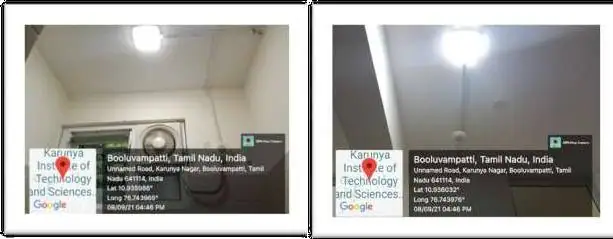
To minimize unnecessary energy usage, sensor-based lighting and control systems have been deployed across several buildings. Corridors, classrooms, and common areas are now equipped with motion sensors that automatically switch lights on or off based on occupancy. This initiative has led to measurable reductions in power wastage, particularly during non-peak hours.
Similarly, automatic sensor-based water level controllers have been installed to regulate water pumping systems in overhead tanks. This automation has optimized water management, reduced manual intervention, and conserved both electricity and water resources.
Energy-Efficient Equipment and Infrastructure
The University has progressively upgraded its electrical and mechanical systems to include energy-efficient variants. The installation of V3F drive-based lifts ensures smooth operation and energy savings by dynamically adjusting motor speed according to load conditions. In academic blocks, all fluorescent and halogen fixtures have been phased out and replaced with LED tube lights, further reducing energy intensity.
Additionally, computer laboratories have introduced green computing initiatives, replacing conventional systems with energy-efficient computers that consume significantly less power without compromising performance.
Monitoring and Evaluation
Energy conservation at Karunya Institute is supported by continuous monitoring of electricity usage through smart metering and periodic audits. The collected data is analyzed to assess consumption trends, identify inefficiencies, and plan targeted interventions. The results have consistently shown a downward trend in power consumption and carbon emissions, validating the effectiveness of implemented measures.
Regular maintenance schedules and awareness programs are conducted to sensitize staff and students about energy conservation practices. These efforts collectively foster a culture of sustainability and responsible resource management.
Policy Framework and Future Plans
The University follows a robust policy framework that governs all energy-related initiatives. The policy mandates that all new constructions, retrofits, and major renovations integrate energy-efficient systems and materials. Future plans include expanding solar power capacity, implementing centralized energy management systems, and upgrading HVAC systems to high-efficiency models.
In the coming years, the institution aims to:
- Increase the total installed solar power capacity by 25%.
- Extend sensor-based systems to all classrooms and laboratories.
- Introduce smart campus-level energy monitoring through IoT-enabled systems.
- Replace remaining outdated fixtures and appliances with star-rated energy-efficient models.
- Enhance awareness through annual “Energy Conservation Week” campaigns and workshops.
Outcomes and Impact
Through its sustained commitment and systematic implementation, Karunya Institute of Technology and Sciences has achieved measurable improvements in its energy performance. The adoption of solar power and sensor-based systems has contributed to:
- Reduction in total energy consumption by a significant margin.
- Minimization of carbon emissions, aligning with the national mission for sustainable energy.
- Lower operational costs due to decreased dependency on grid electricity.
- Improved environmental sustainability across the campus ecosystem.
KITS initiatives on energy conservation exemplify a holistic approach that combines technology, policy, and behavioral change to promote energy efficiency. These ongoing efforts reinforce the institution’s role as a responsible academic body dedicated to sustainable development and environmental stewardship.
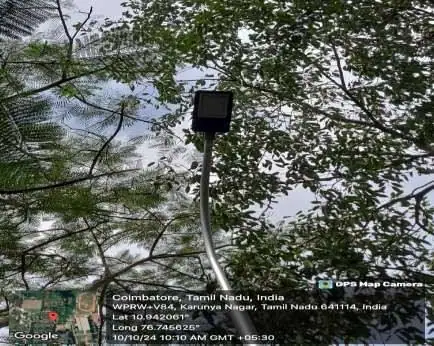
Solar Street Lighting in Karunya Institute of Technology and Sciences
Fig 1. Solar based Street Light
Total lights Installed in Karunya Institute of Technology and Sciences are 7 lights
| Street Light Installed Place | Panel Used | No. of Lights | Present Condition |
|---|---|---|---|
| Guest House | Crystalline Type | 4 | Working |
| Opposite to Elshadai Auditorium | Crystalline Type | 2 | Working |
| Mechanical Building Yard | Crystalline Type | 1 | Working |
Specifications for Solar Street Lights
Electrical Parameters
Panel Type : Crystalline Type
Cell Type : High efficiency Solar Cells
Nominal Capacity : 1*120 W
Peak Power Voltage : 16.2 Volts
Peak Current : 8.3 Amps
Tolerance : + 5%
Mechanical Parameters
Front cover glass : Toughened Glass
Encapsulate : Ethylene Vinyl Acetate (EVA)
Mounting frames : Anodized aluminium channel
Rear panel : Polyvinyl Fluoride (PVF)
Junction box : ABS moulded box
Weight : 5.4 Kgs
Battery
Electrical Parameters
Normal capacity : 100 Ampere Hours
Rated current Discharge : C/10
Normal voltage : 12V
Self-discharge : About 0.5% per week
Expected life : About 1500 cycles
General parameters
Types : low maintenance lead acid
Construction : 12V block
Container material : polypropylene
Solar light controller:
Charge Controller Type and Rating: Series Pulsed Two Step 15A max.
Cable Assembly:
Module to charge Controller : 4.0 mm2 copper cable with ring terminal
Luminaire to Lighting Controller : 1.5 mm² dual-sheathed cable
Battery to Lighting Controller : 4.0 mm² cable with ring and fork terminals.
The Institution has facilities for alternate sources of energy and energy conservation measures such as Solar energy, Sensor-based energy conservation and Usage of LED bulbs/ power efficient equipment
Solar Water Heating System in Karunya Institute of Technology and Sciences Hostels
| Renewable Energy Sources on Campus | Solar Energy (2 Solar PV Plants + 30 Solar Water Heaters) Biomass (4 Biogas Plants) |
|---|---|
| Solar Photovoltaic (PV) Generation | 111,861.71 kWh (95 kW Admin: 87,473.71 kWh + 20 kW Mess: 24,388.00 kWh) |
| Solar Thermal Water Heating | 1,545,718.00 kWh equivalent (30 units, 87,600 LPD across student hostels) |
| Total Solar Energy Generated | 1,657,579.71 kWh |
| Biomass / Biogas Energy Generated | 17,520 m³/year = 184,836.00 kWh |
| Total Campus Renewable Energy | 1,842,415.71 kWh per annum |
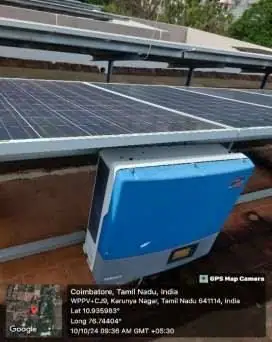
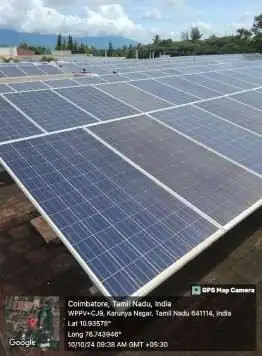
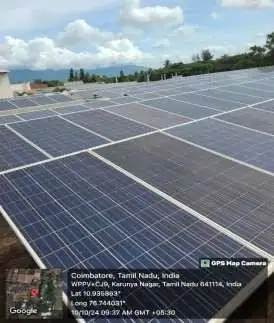
Fig 4. Solar roof top in the Main (Administrative Building)

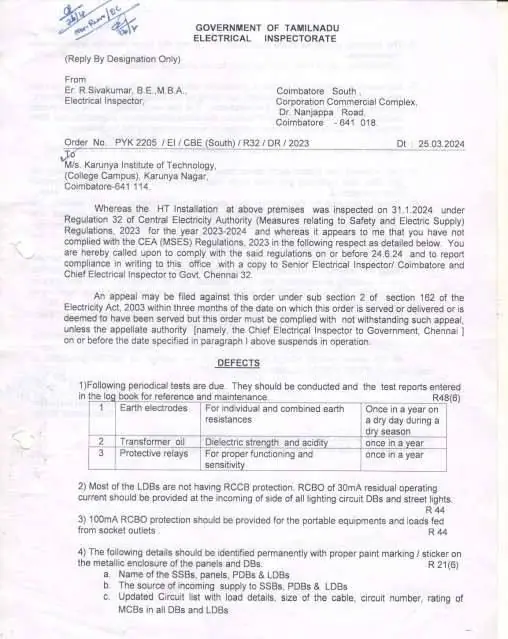
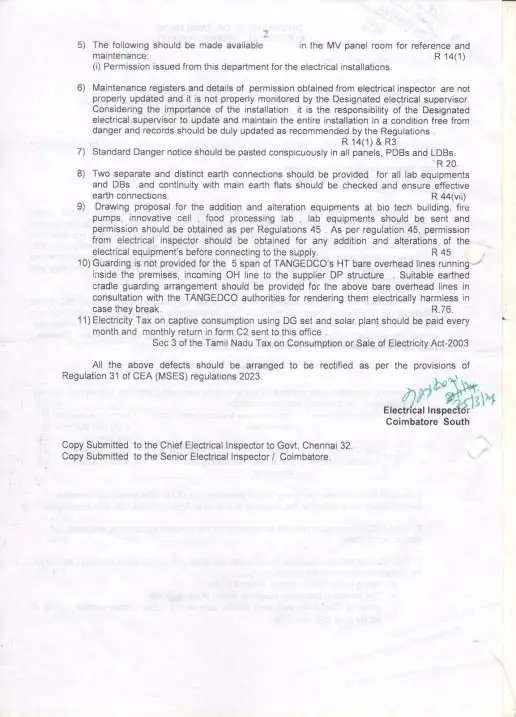
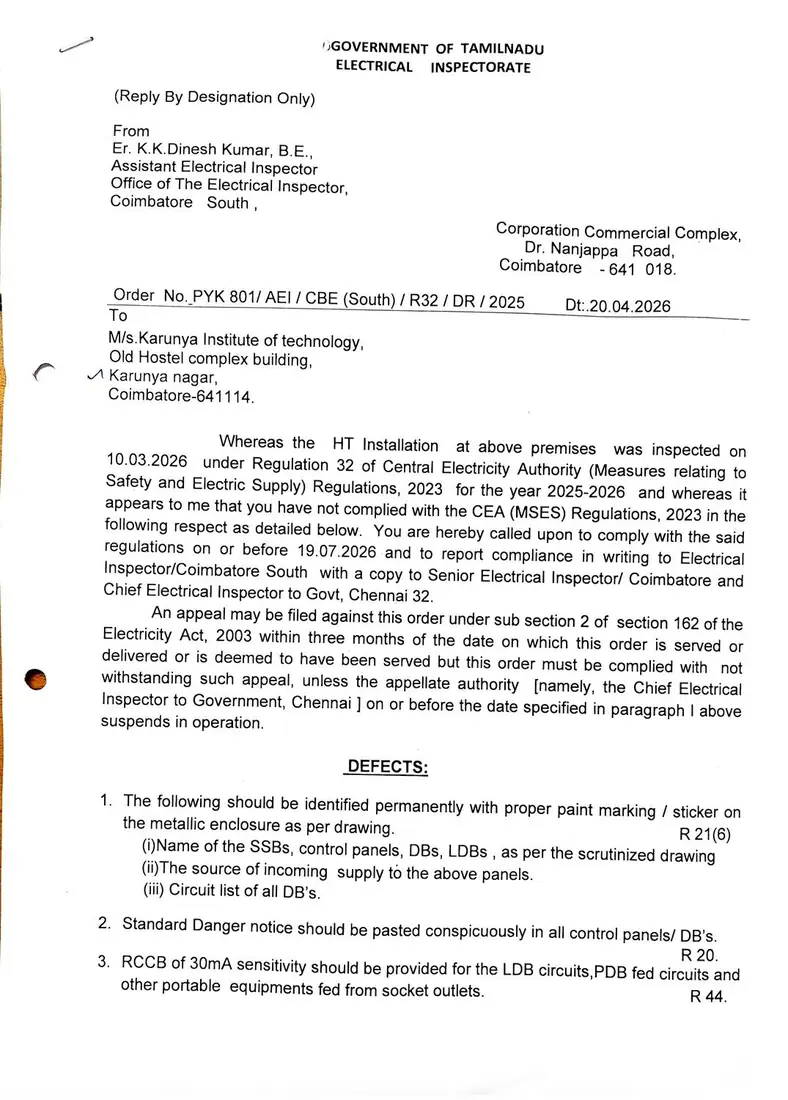
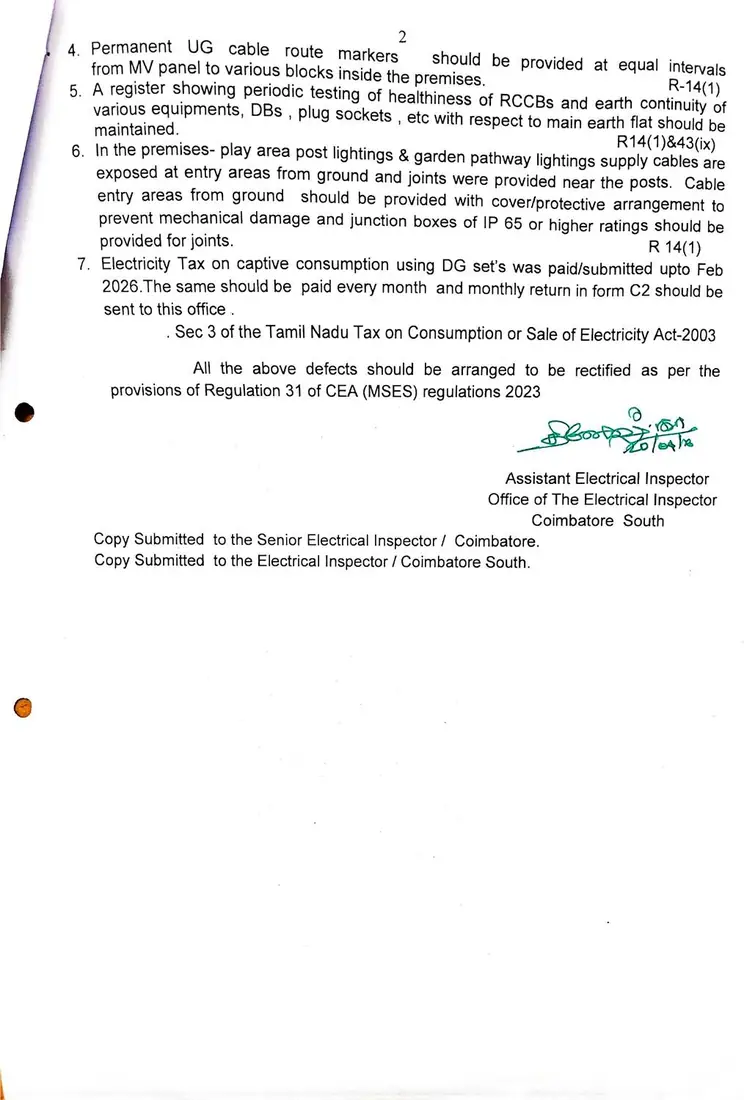
Electricity Board- Government of Tamil Nadu Inspection
Every Two Years 2024 to 2026