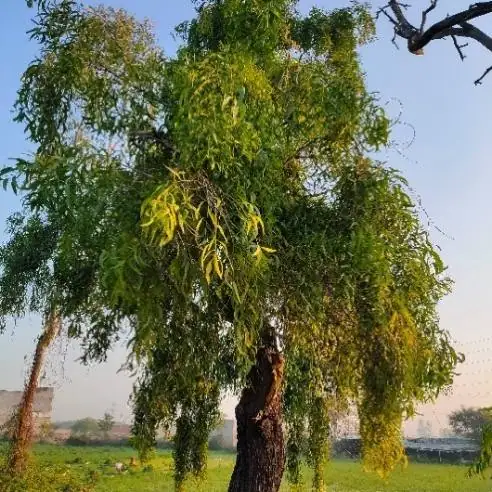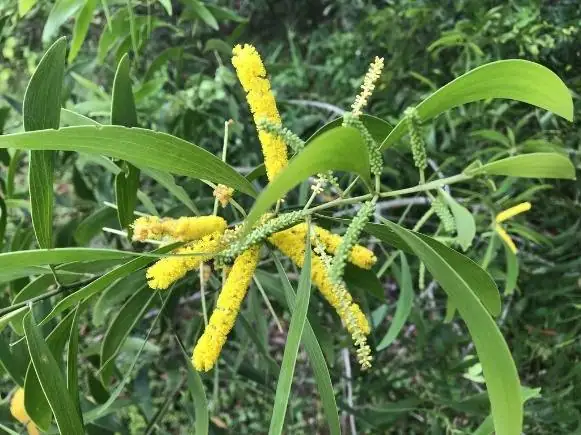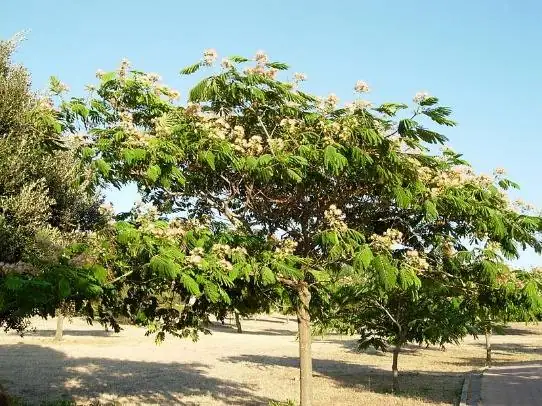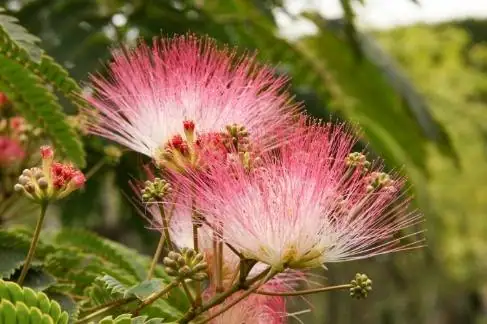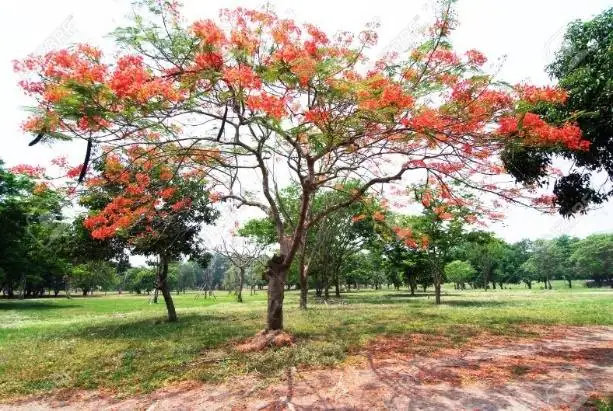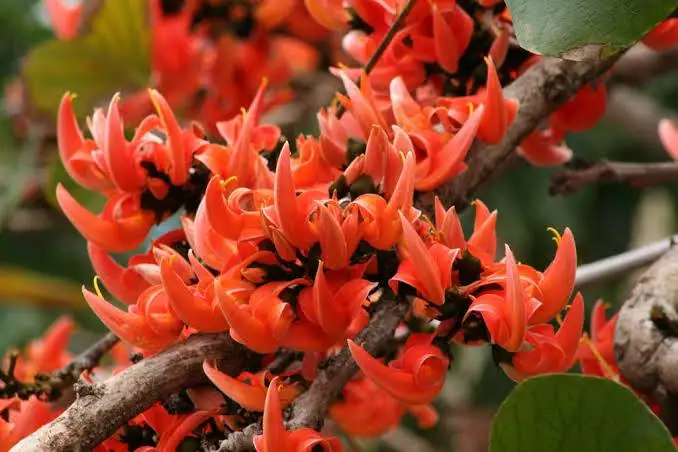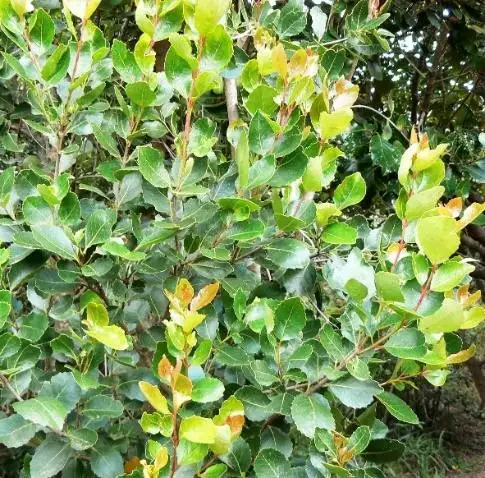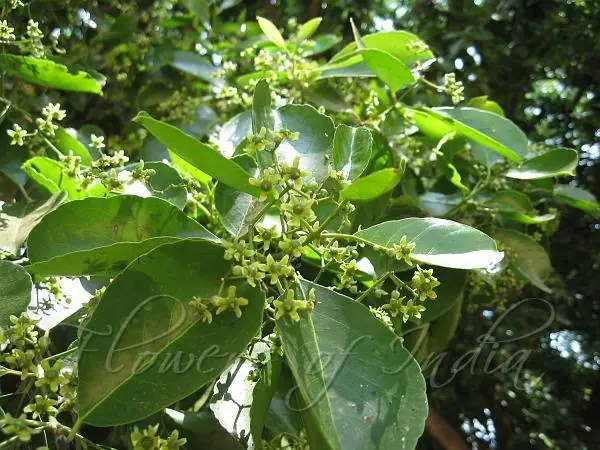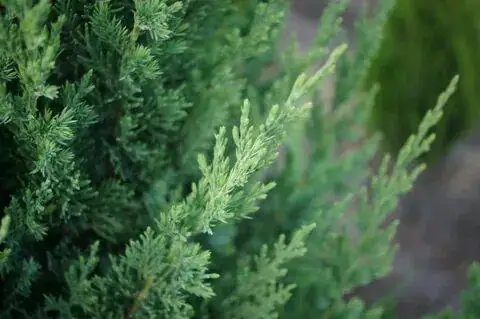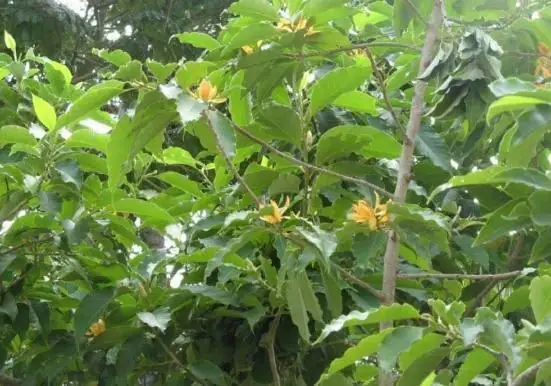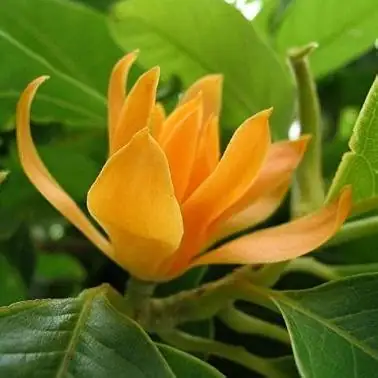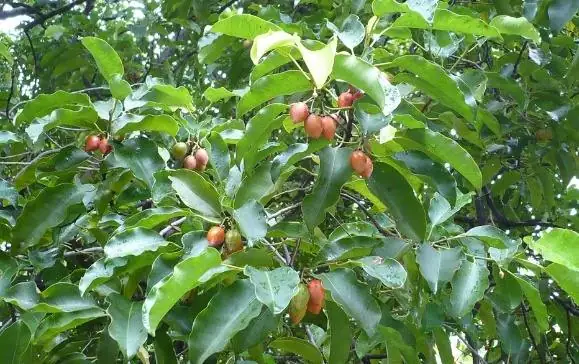
Karunya Institute of Technology and Sciences (KITS), located in the foothills of Western Ghats, implements a comprehensive water-efficient landscape architecture designed to curb freshwater extraction, protect soil moisture and support localized microclimates. Aligned with the institutional Policy on Environmental Sustainability – Green Campus, Environment and Energy Conservation, the university mandates the planting of indigenous, drought-tolerant vegetation across all administrative, academic and residential sectors.
The scope covers exclusively the university's permanent campus landscape, acoustic barriers, perimeter shelterbelts, and aesthetic green corridors. Seasonal agronomic production and instructional field crops (cultivated separately across the North and South Farms for agricultural pedagogy) are excluded from the landscaping scope, retaining only peripheral rainfed agroforestry buffers.
Campus Agro-Meteorological Profile (2024–25)
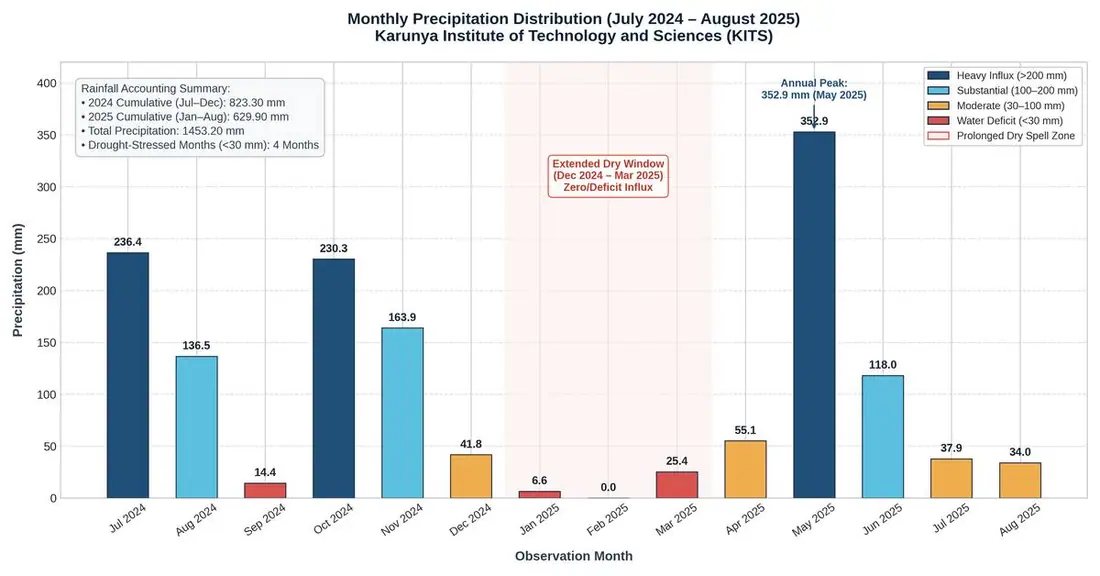
Landscape design and species selection are directly calibrated against the localized precipitation dynamics recorded by the on-campus automated meteorological observatory. The campus registered a cumulative annual rainfall of 1,453.20 mm during the academic year 2024-25. The precipitation regime is characterized by severe bimodal seasonality, experiencing a 4-month dry spell from December to March (0.0 to 25.4 mm/month) where irrigation demand peaks, balanced by monsoonal recharge in May (352.90 mm) and October–November (230.30 mm and 163.90 mm): Because prolonged summer droughts deplete shallow surface soil moisture, the institution strictly avoids water-sensitive exotic species, deploying drought-tolerant plants capable of sustained physiological survival on monsoonal recharge alone.
- Inventory of Drought-Tolerant Landscape Flora
The campus green infrastructure incorporates distinct biological tiers designed for maximum water-use efficiency (WUE) and zero supplemental freshwater withdrawal.
A. Arboreal Canopies & Deep-Rooted Shade Trees
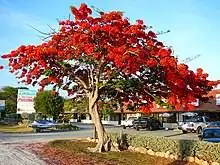
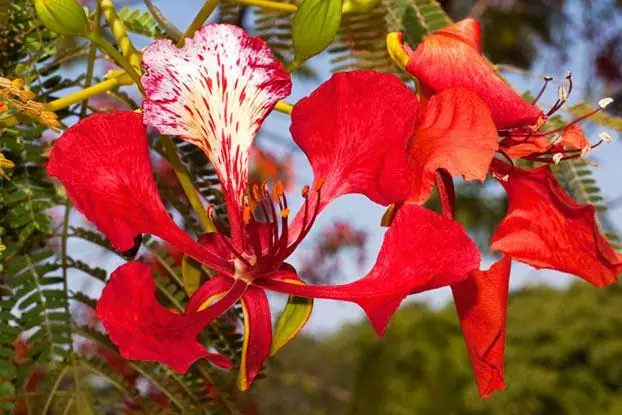
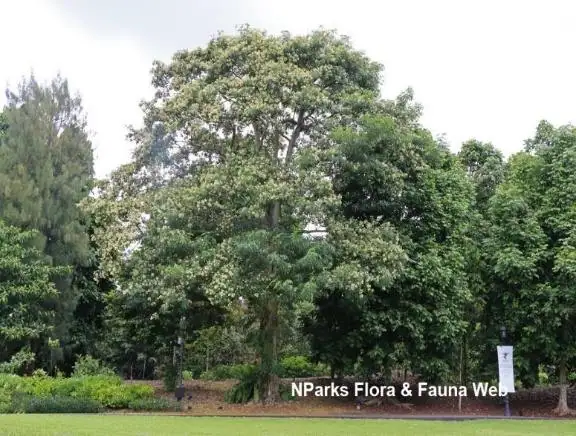
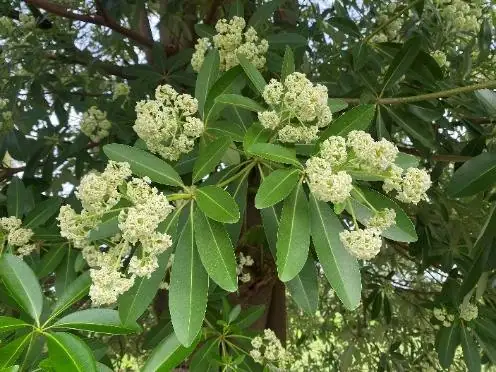
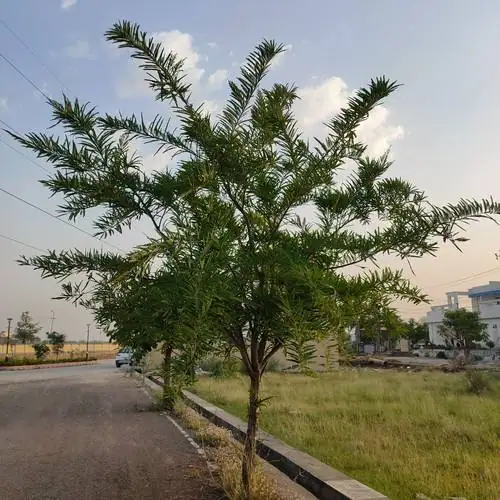
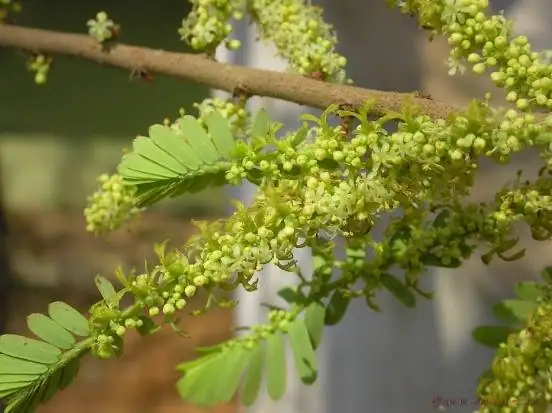
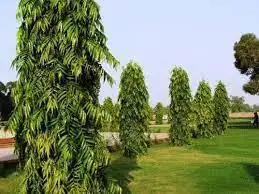
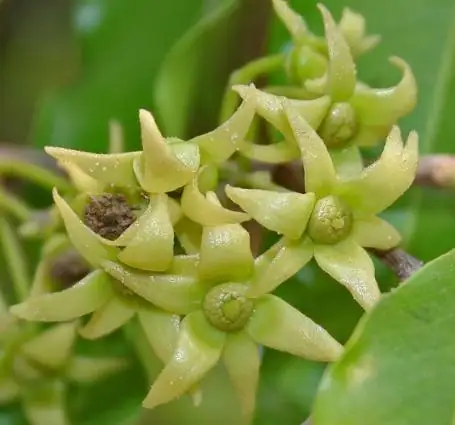
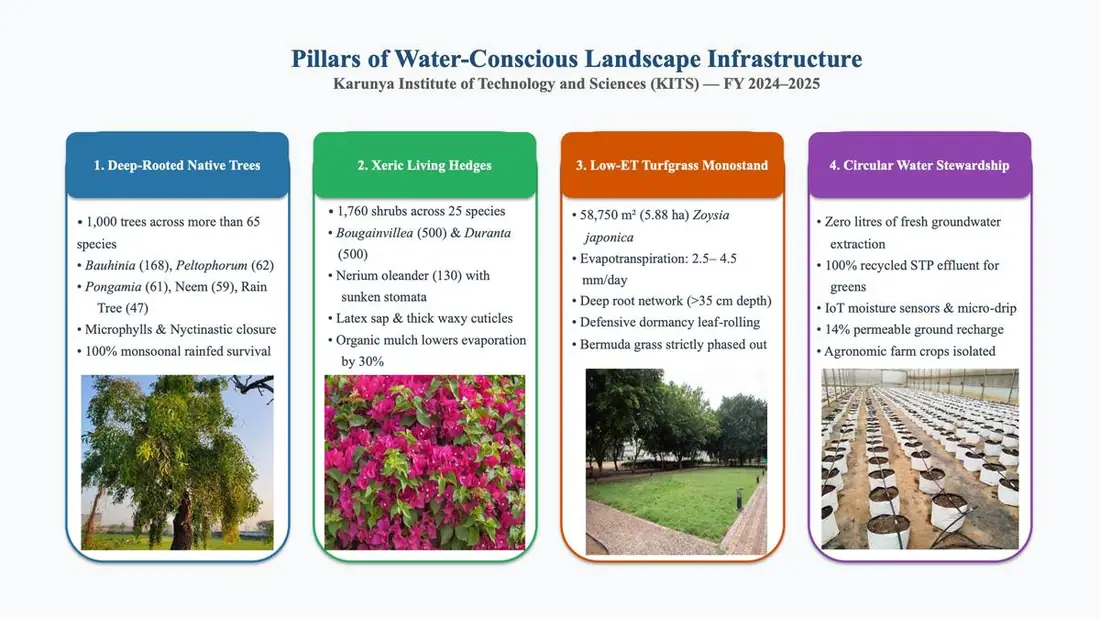
Over 1,000 mature trees across more than 65 species line campus avenues, courtyards, and administrative boundaries. These trees utilize microphyllous foliage, thick corky bark, or deep taproot systems to eliminate the need for routine landscape irrigation:
| Common Name | Botanical Nomenclature | No. | Functional / Landscape Zone | Xeric Physiological Adaptation |
|---|---|---|---|---|
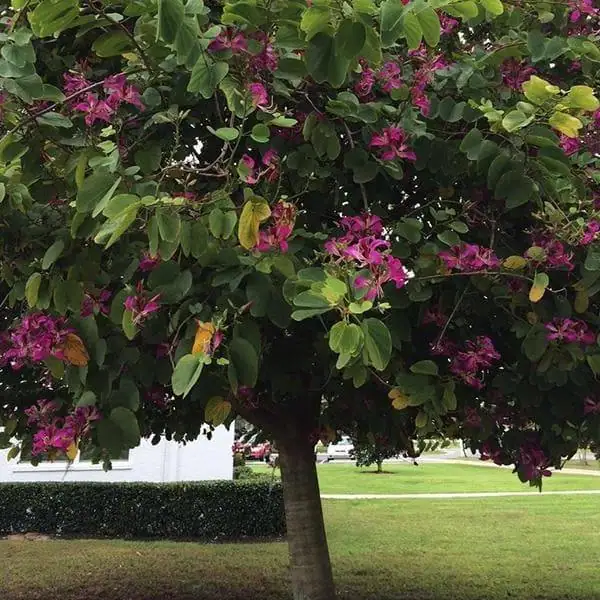
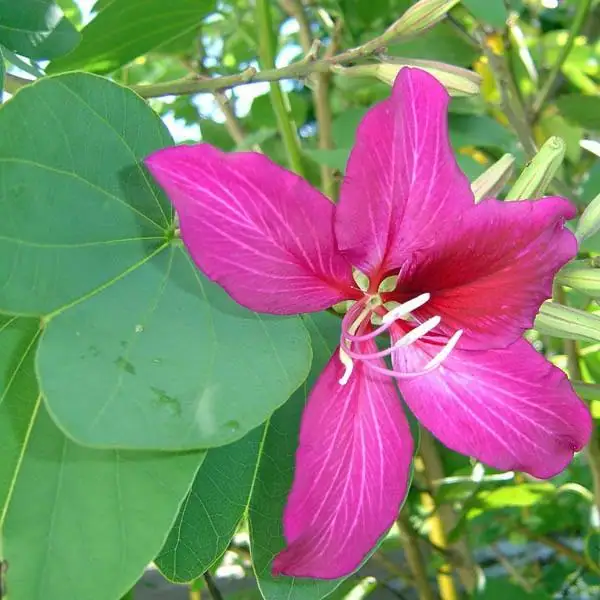
| Camel Foot Tree | Bauhinia purpurea | 168 | Academic Avenues & Courtyards | Semi-deciduous seasonal leaf drops to curb transpiration. |
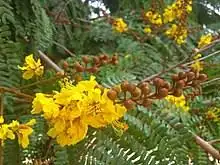
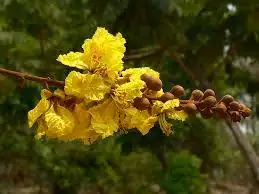
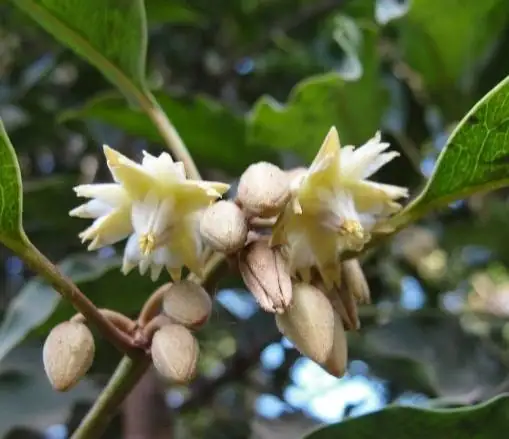
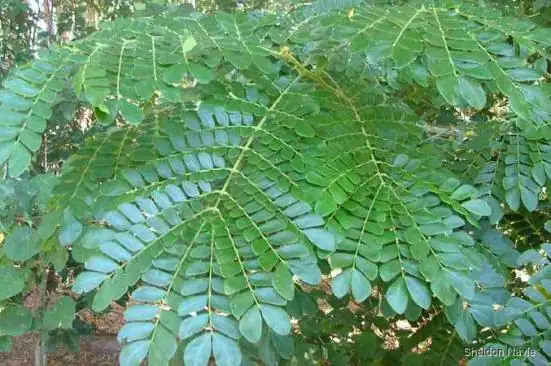
| Copper Pod Tree | Peltophorum pterocarpum | 62 | High Canopy Avenues | Bipinnate microphylls, high WUE, heat resistance. |
| Pongam Tree | Pongamia pinnata | 61 | Roadside Corridors & Green Belts | Deep taproot system; survives 100% on monsoonal rainfall. |
| Neem Tree | Azadirachta indica | 59 | Central Quads & Residences | Indigenous xerophyte; high transpiration efficiency. |
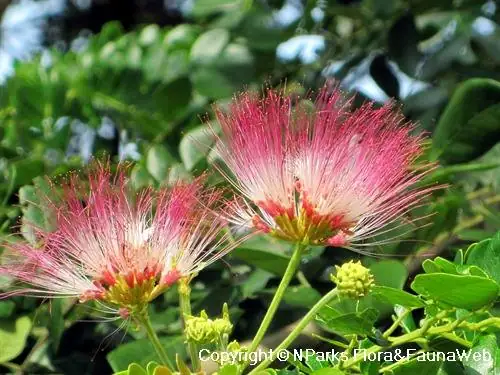
| Rain Tree | Samanea saman | 47 | Broad Microclimatic Shade Zones | Nyctinastic leaflet closure during solar peak, deep rooting. |
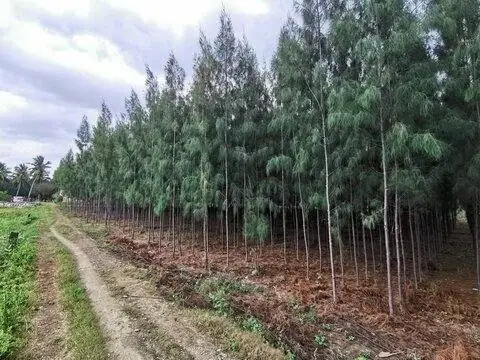
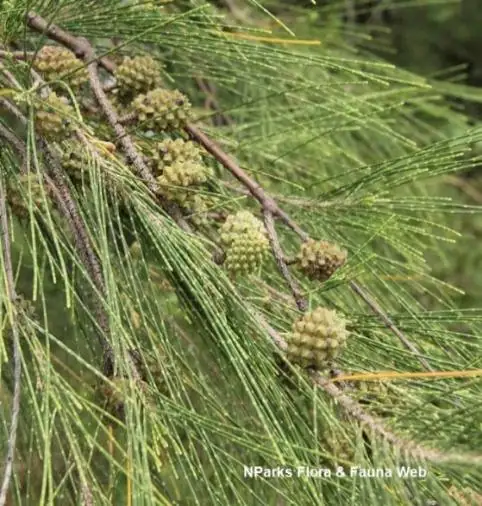
| Whistling Pine | Casuarina equisetifolia | 32 | Peripheral Boundary Windbreaks | Photosynthetic cladodes with reduced scale-leaves. |
| Jamun | Syzygium cumini | 21 | Ecological & Shaded Buffers | Hardy evergreen native with low moisture demand. |
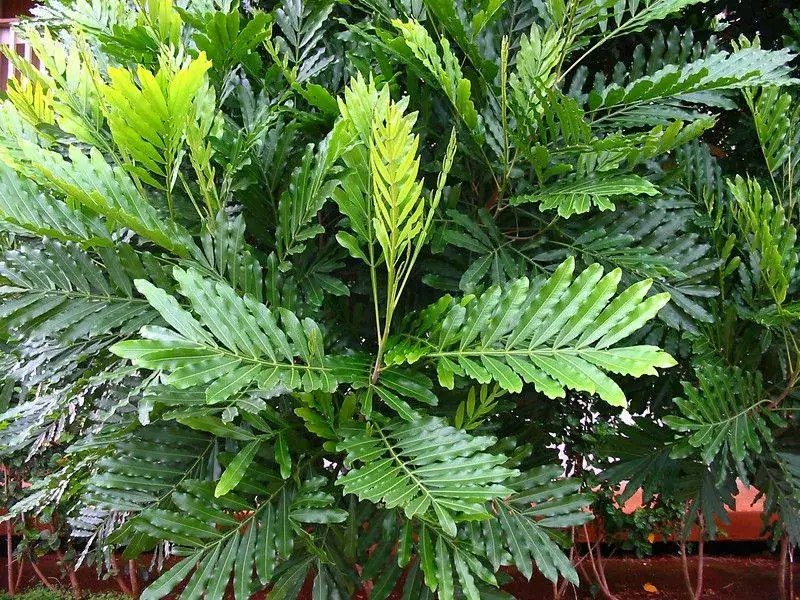
| Fern Tree | Filicium decipiens | 15 | Ornamental Quad Shade | Waxy winged rachis and coriaceous foliage. |
| Indian Rosewood | Dalbergia sissoo | 13 | Academic Perimeter Belts | Extensive sub-surface lateral and vertical rooting. |
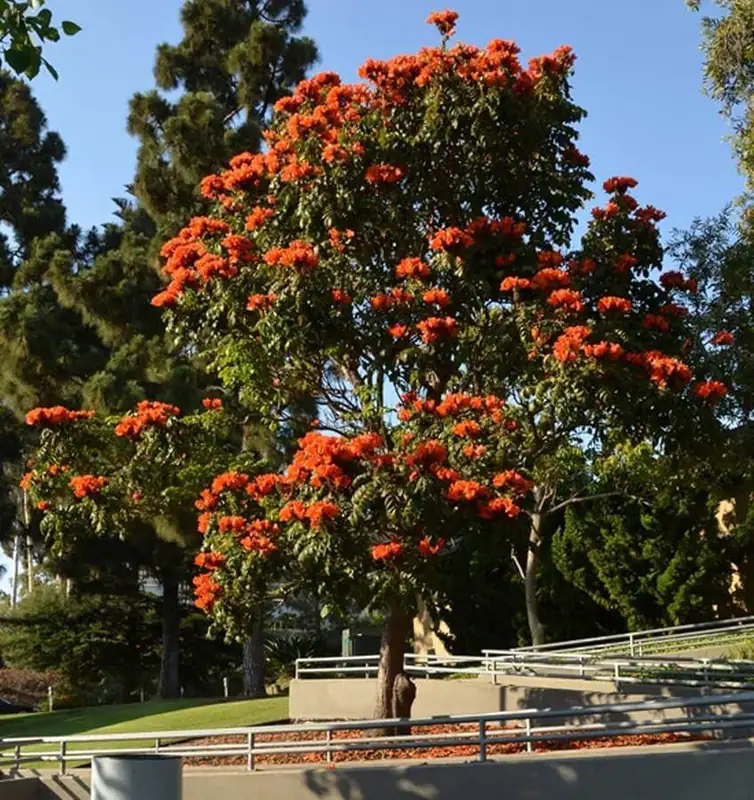
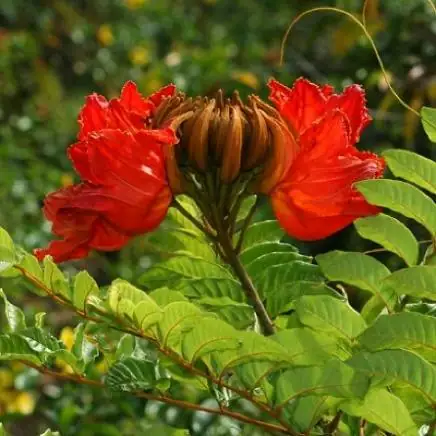
| African Tulip | Spathodea campanulata | 12 | Visual Focal Points | Deep root penetration, thick spongy bark. |
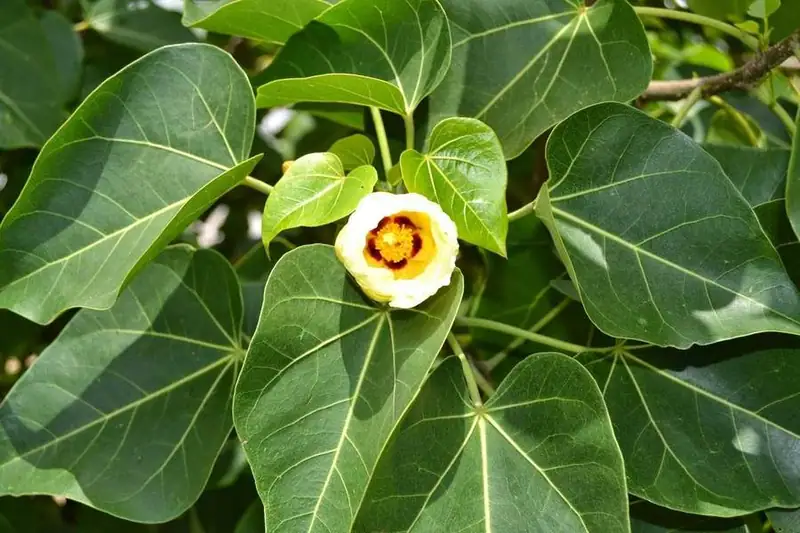
| Portia Tree | Thespesia populnea | 9 | Boundary Shaded Enclosures | Thick halophytic and xerophytic leaf tolerance. |
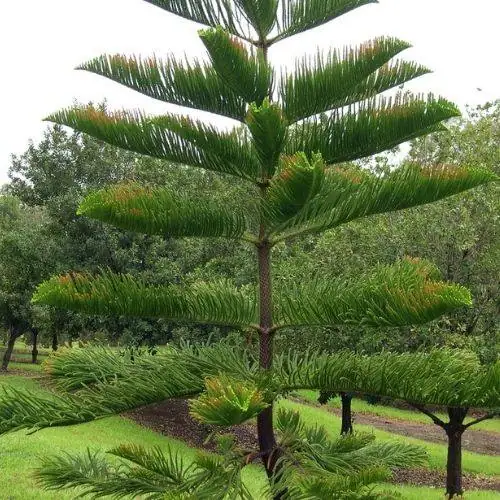
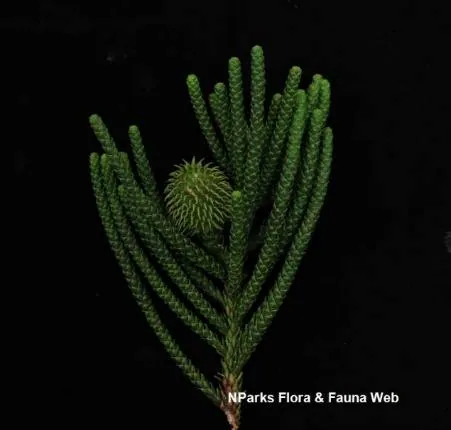
| Cook Pine | Araucaria columnaris | 7 | Architectural Features | Awl-shaped needle foliage minimizing water loss. |
| Sandalwood | Santalum album | 6 | Ethno-Medicinal Reserve | Hemi-parasitic root system, low water requirement. |
| Indian Siris | Albizia lebbeck | 5 | Nitrogen-Fixing Buffer | Sclerophyllous foliage; sheds leave during severe dry spells. |
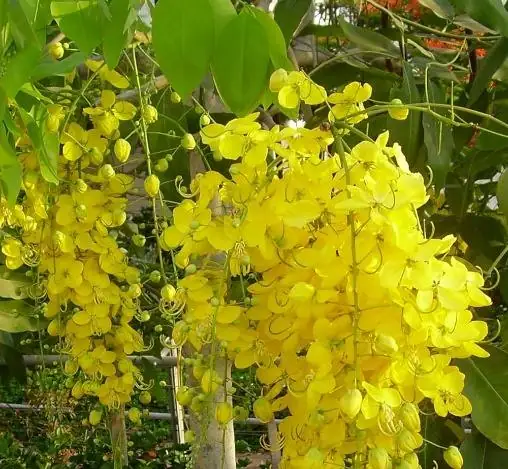
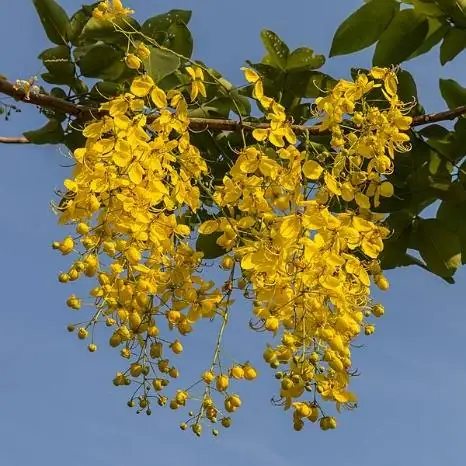
| Golden Shower | Cassia fistula | 4 | Flowering Avenue Canopy | Complete dry-season deciduous dormancy. |
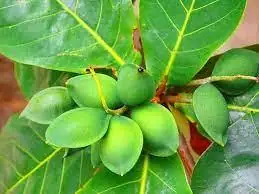
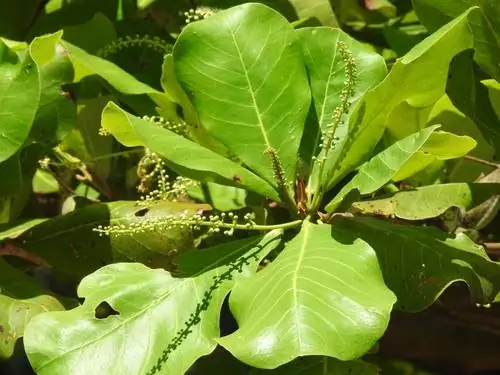
| Indian Almond | Terminalia catappa | 4 | Outdoor Seating Greens | Broad coriaceous leaves with seasonal winter dormancy. |
| Gul Mohar | Delonix regia | 3 | Flowering Color Stratum | Feathery bipinnate leaves minimizing aerodynamic drag. |
| Acacia | Acacia auriculiformis | 2 | Peripheral Shelterbelts | Modified phyllodes functioning as drought-hardy leaf surfaces. |
B. Living Hedges, Barrier Shrubs & Succulent Borders
Walkway edges, road medians, and perimeter fences are structured with 1,760 catalogued shrubs across 25 drought-hardy species:
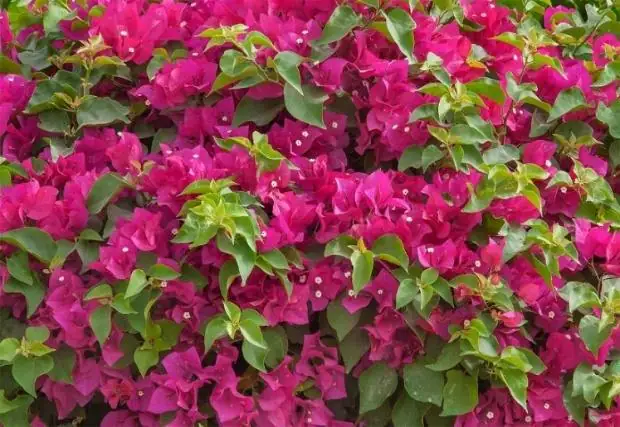
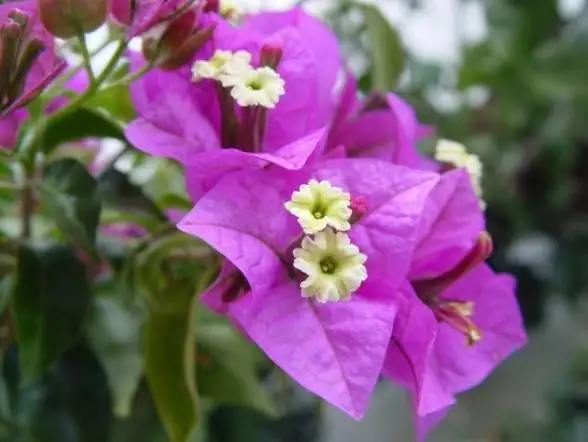
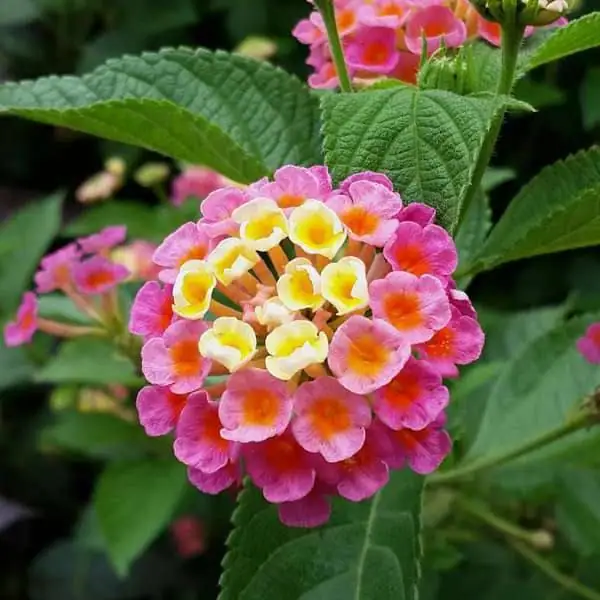
Bougainvillea (Bougainvillea glabra — 500 units): Forms extensive perimeter barriers; exhibits extreme xerophytic tolerance where soil moisture stress stimulates dense flowering without supplemental irrigation.
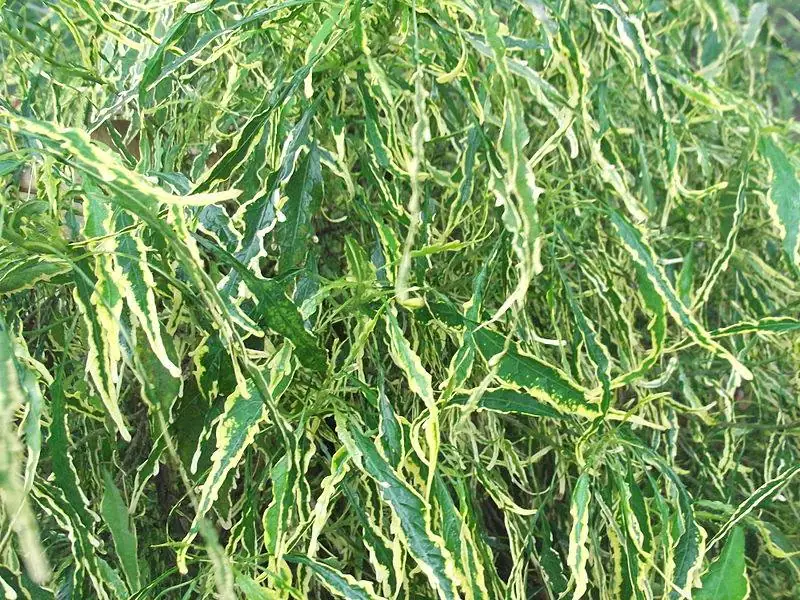
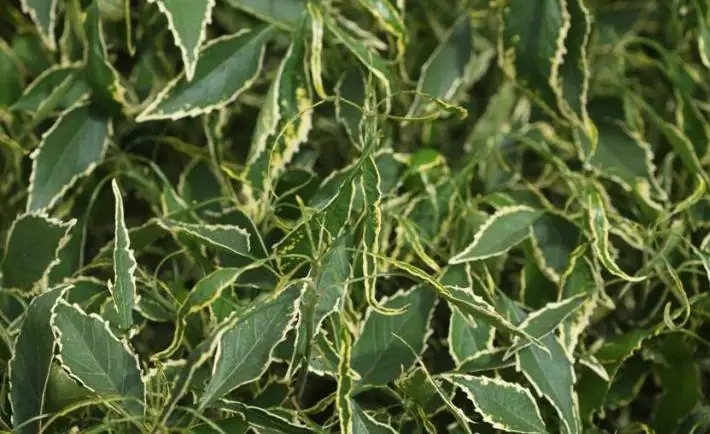
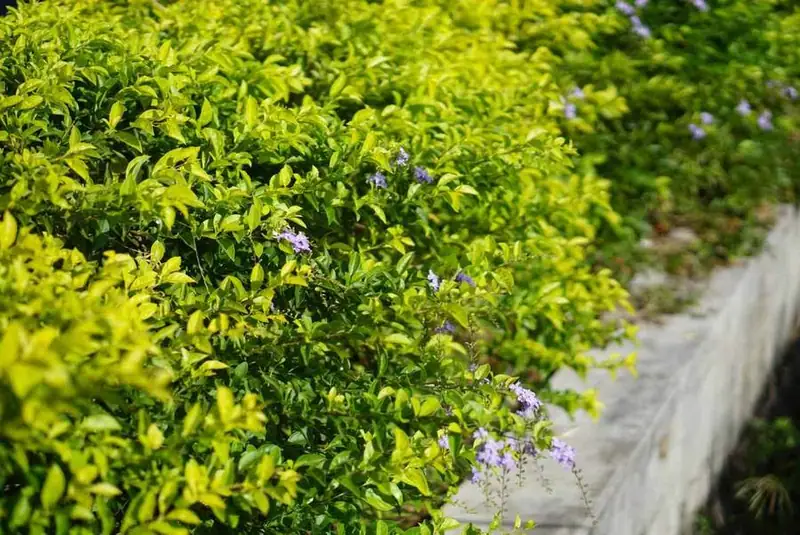
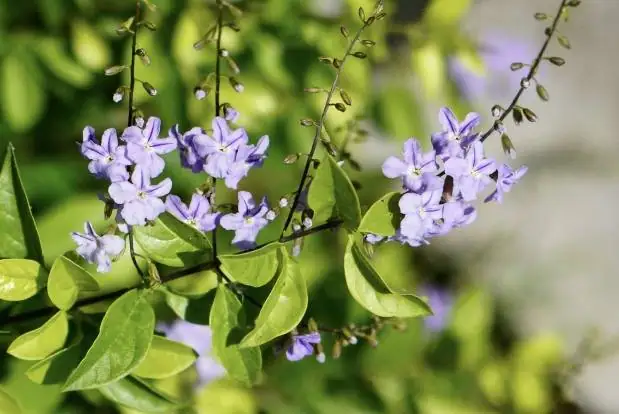
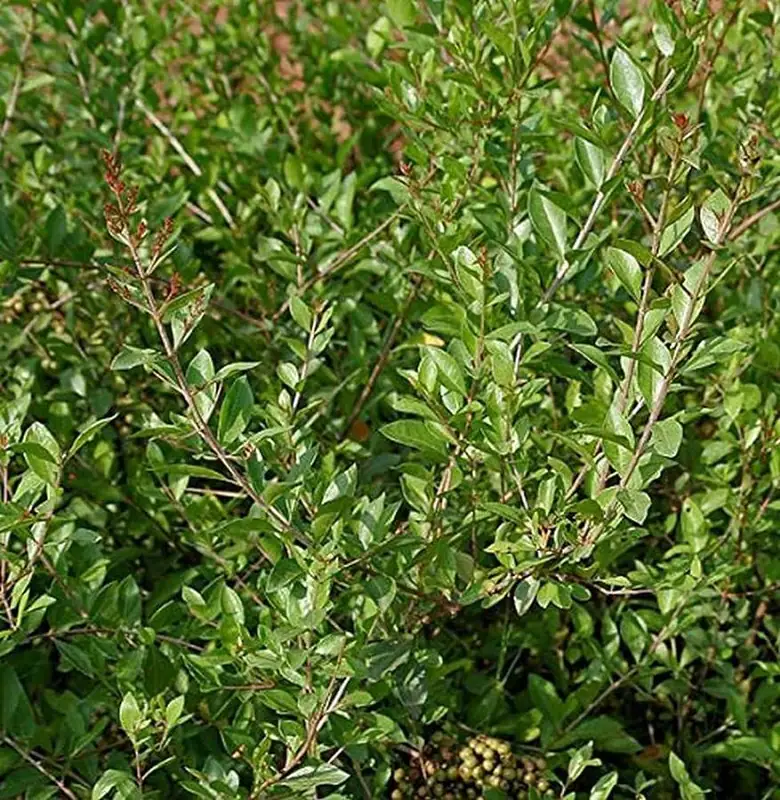
Golden Dewdrop (Duranta repens — 500 units): Deep-rooting, highly branched living fence capable of withstanding intense solar radiation.
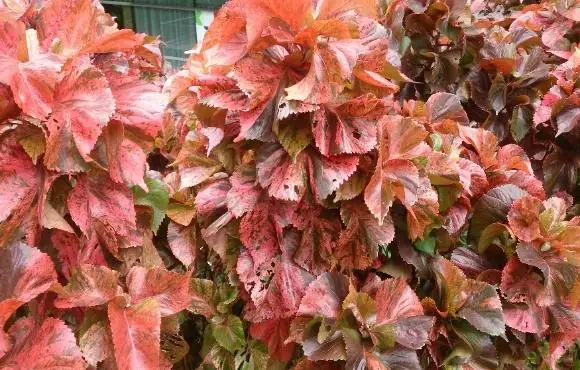
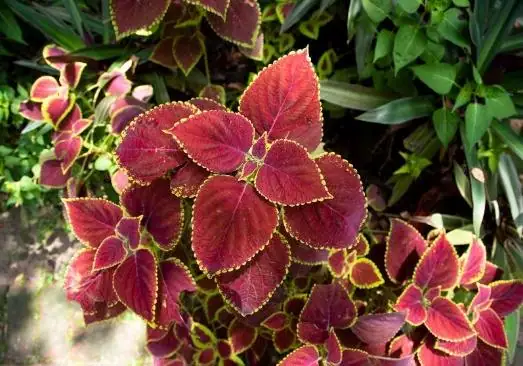
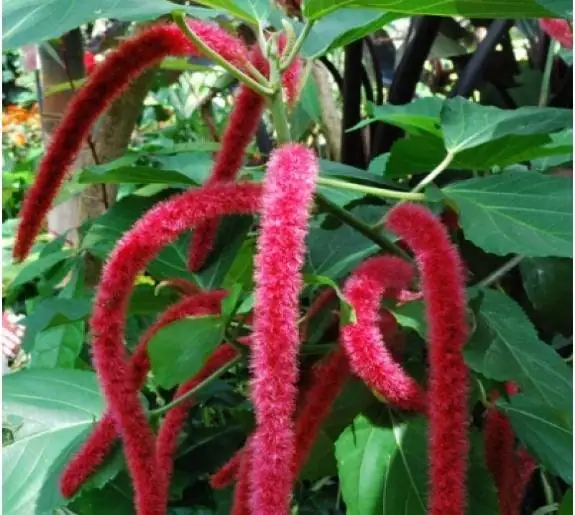
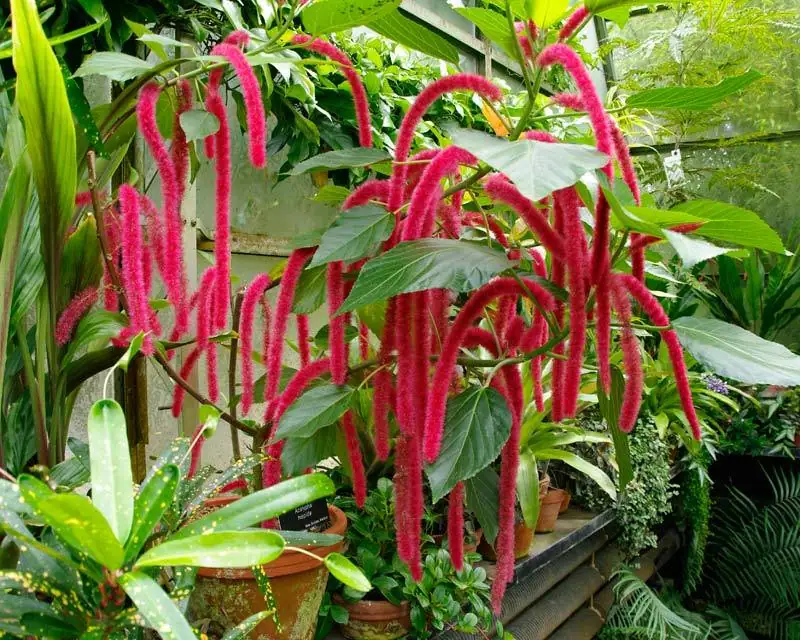
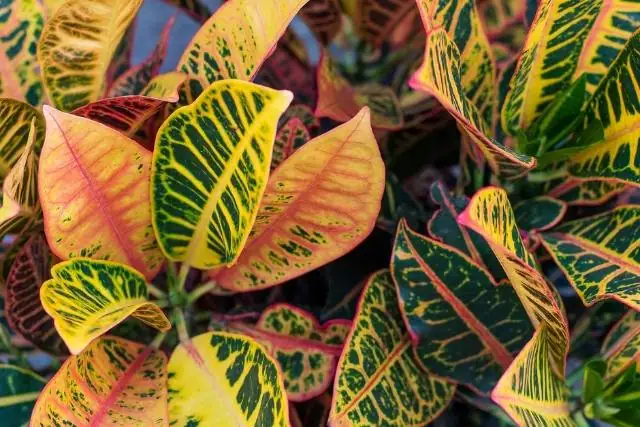
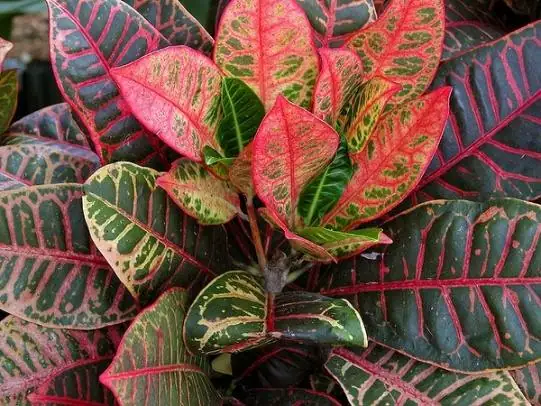
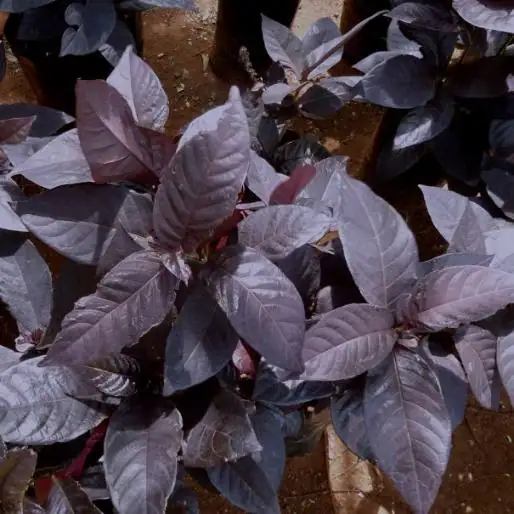
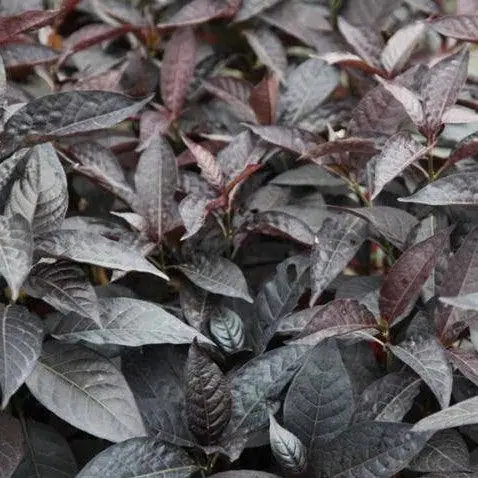
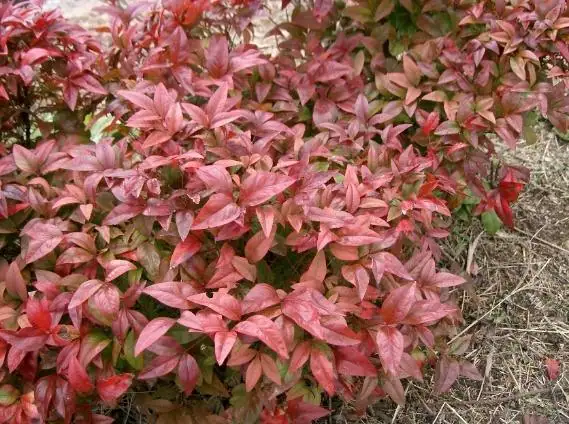
Copper Leaf & Jacob's Coat (Acalypha spp. — 250 units): Semi-hardy foliage shrubs maintained under thick organic mulch layers to prevent soil evaporation.
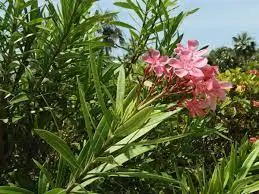
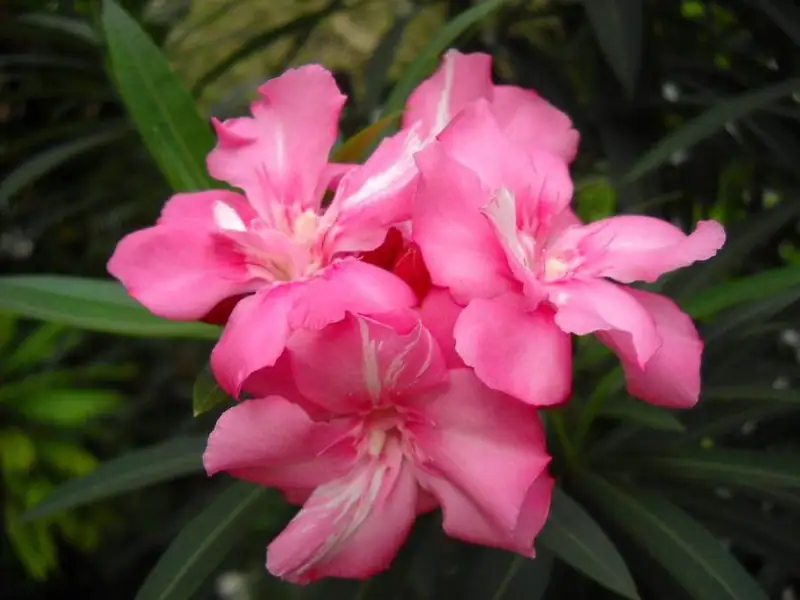
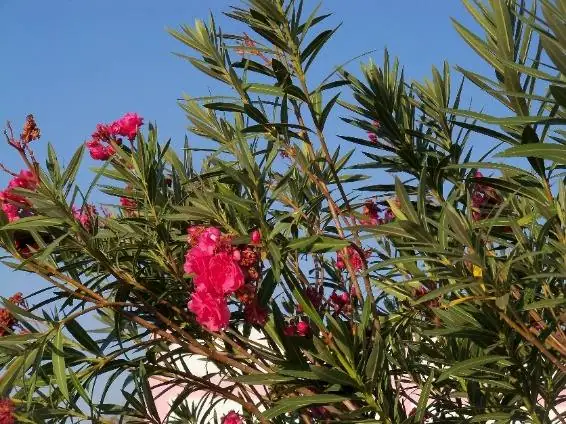
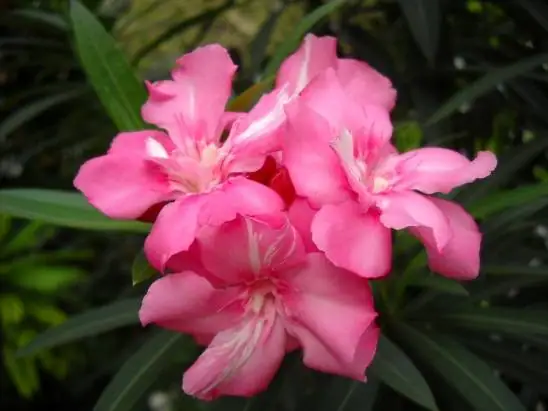
Indian Oleander (Nerium indicum — 130 units): Deployed across road dividers; features thick waxy cuticles, sunken stomatal crypts, and viscous latex sap that prevent cellular dehydration.
Henna (Lawsonia inermis — 30 units): Traditional arid-zone shrub thriving under minimal soil moisture.
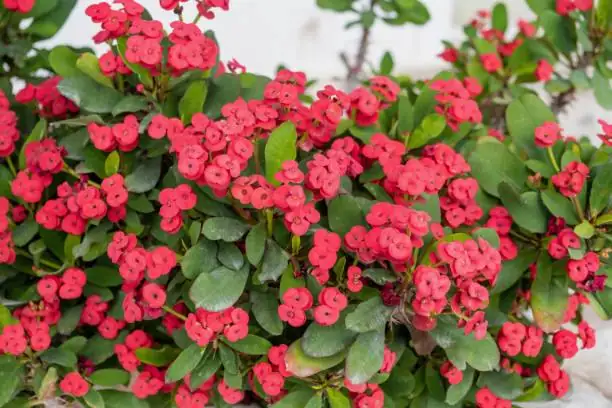
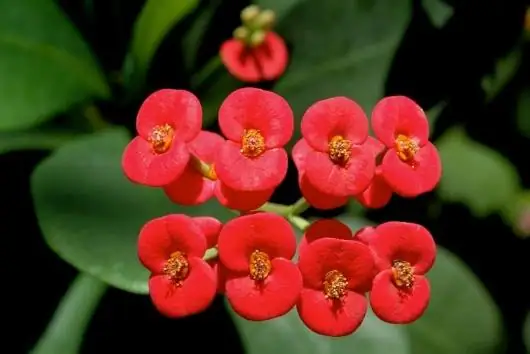
Crown of Thorns (Euphorbia milii — 5 units): Specialized Crassulacean Acid Metabolism (CAM) succulent with spiny stems and minimal foliar transpiration.
C. Standardized Low-Evapotranspiration (ET) Turfgrass
The Karunya Campus has institutional lawns to a uniform 58,750 m² (5.88 ha) monostand of Japanese/Korean Lawn Grass (Zoysia japonica). Conventional water-thirsty species like Bermuda grass (Cynodon dactylon) are phased out:
| Agronomic & Water Parameter | Zoysia japonica (KITS Campus Standard) | Conventional Turfgrass (Cynodon dactylon) |
|---|---|---|
| Campus Area | 58,750 m² across academic and hostel courtyards | Prohibited on campus lawns |
| Evapotranspiration (ET) Rate | Low to Medium (2.5 – 4.5 mm/day) | High (5.5 – 8.5 mm/day) |
| Drought Defense Mechanism | Enters dormancy, rolls leaf blades, resists heat | Rapid foliar desiccation and permanent wilting |
| Root System Depth | Deep fibrous network reaching >35 cm | Shallow root mass (<15 cm) |
| Thatch Density | Dense stoloniferous mat shielding soil from solar drying | Moderate density prone to evaporative drying |
| Water Supply Quality | 100% Recycled STP-treated water (Zero freshwater) | Requires continuous fresh groundwater |
2. Sustainable Water Management & Circular Operations
A. Elimination of Potable Freshwater Diversion
No potable water from municipal Siruvani lines or freshwater borewells is diverted to maintain campus landscape greenery. 100% of campus landscape irrigation is fulfilled using tertiary-treated effluent supplied by the university's on-campus Sewage Treatment Plants (STPs), which generate over 385,000 m³/year of recycled water distributed through non-potable utility lines.
B. Smart Micro-Irrigation & Root-Zone Automation
High-volume hose and surface flood watering have been eliminated across campus greens. Green courtyards, shrub borders, and botanical collections are serviced by pressurized drip irrigation and micro-sprinklers regulated by soil moisture sensors, preventing over-saturation and eliminating runoff loss.
C. Organic Mulching & Soil Stewardship
Twigs, biomass clippings, and fallen foliage collected by the campus maintenance crew are processed through organic compost yards and shredders. A 5–8 cm layer of organic wood-chip mulch is applied across shrub borders, lowering soil surface evaporation rates by 25–35% while suppressing weed competition.
D. Permeable Hardscapes & Rainwater Infiltration
Approximately 14% of the institutional footprint incorporates permeable interlocking pavers, gravel walkways, and open grass lawns (notably across the Car Parking areas, Agricultural College corridors, and Girls' Hostel courtyards). This design allows monsoon precipitation to percolate directly into the unconfined aquifer, supported by 33 dedicated soak pits and rooftop rainwater harvesting networks.
Institutional Compliance Statement
Karunya Institute of Technology and Sciences maintains a fully water-conscious landscape ecosystem. Through the strategic integration of indigenous drought-tolerant, drought adapted tree species, xerophytic living hedges, low-ET Zoysia japonica turf, 100% circular recycled water irrigation, and extensive permeable ground recharge, KITS exemplifies institutional leadership in water stewardship under UN Sustainable Development Goal 6.
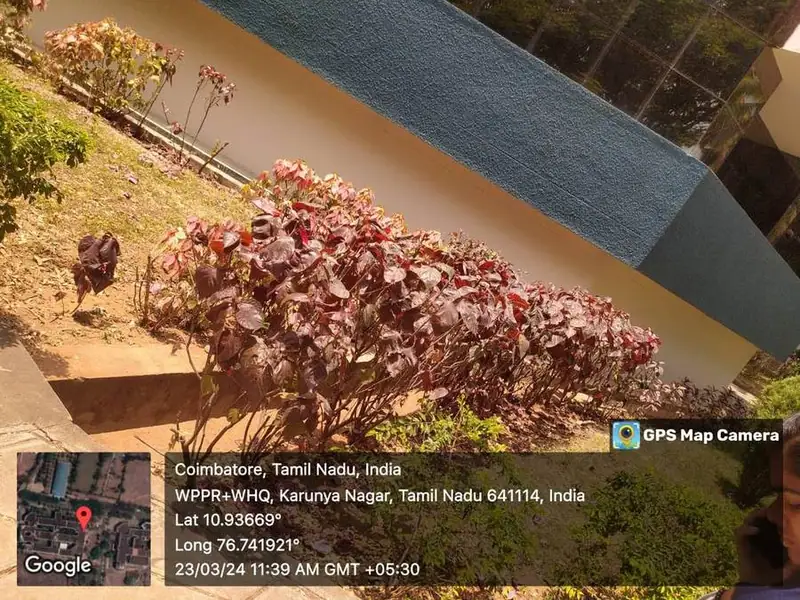
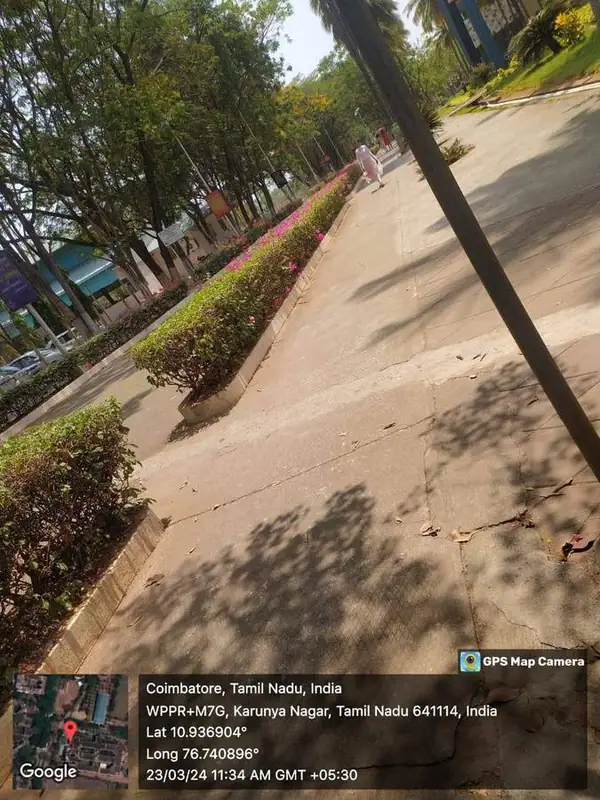
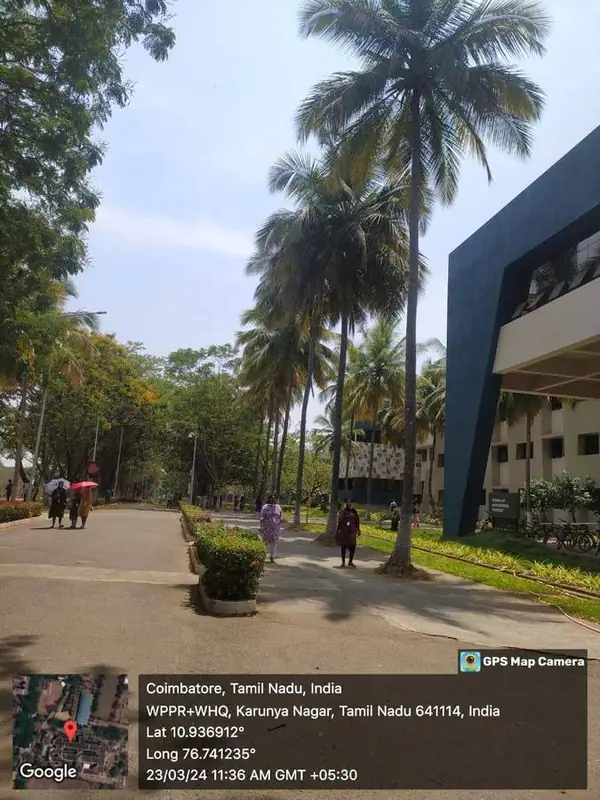
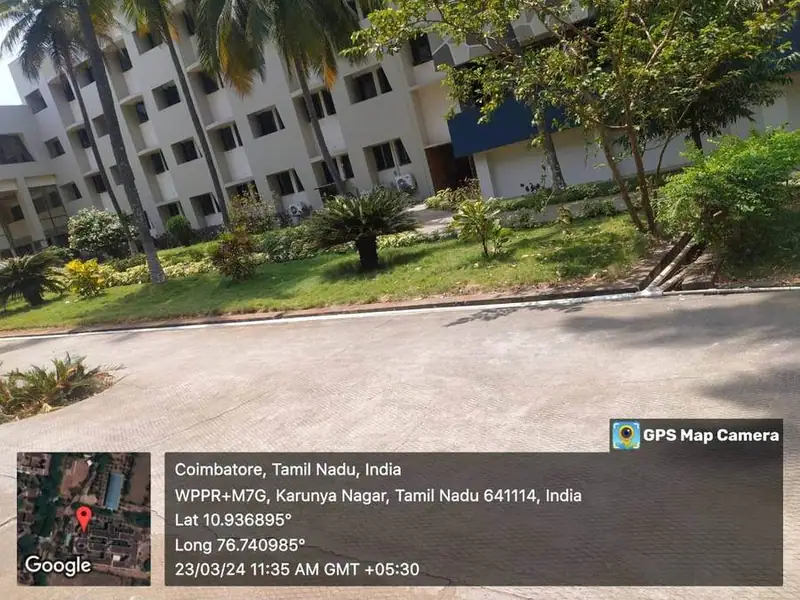
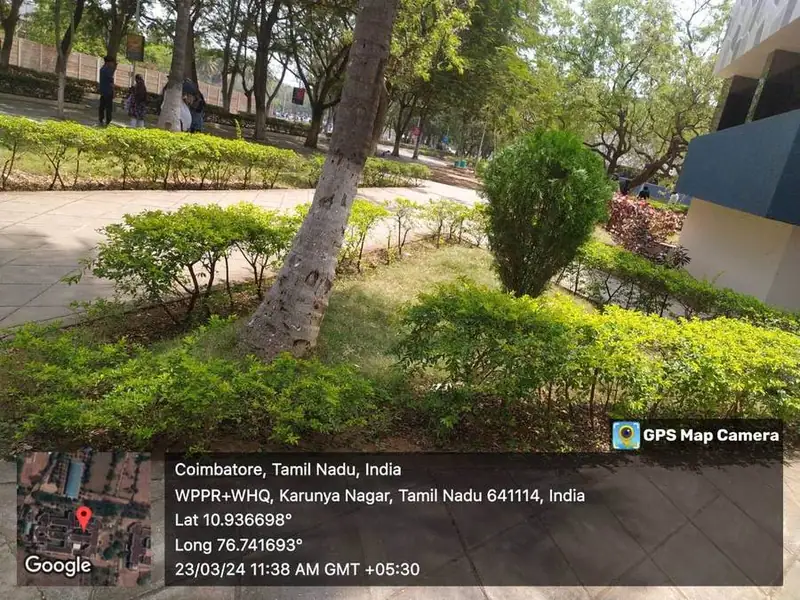
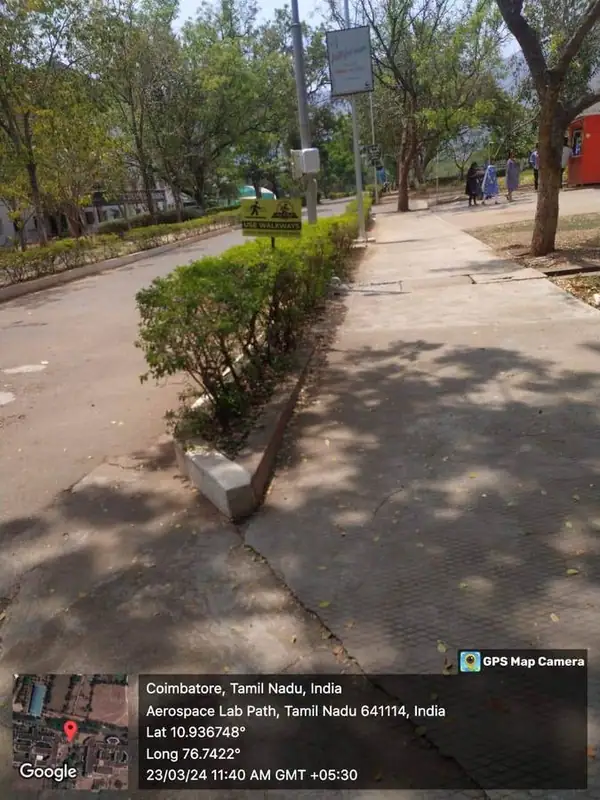
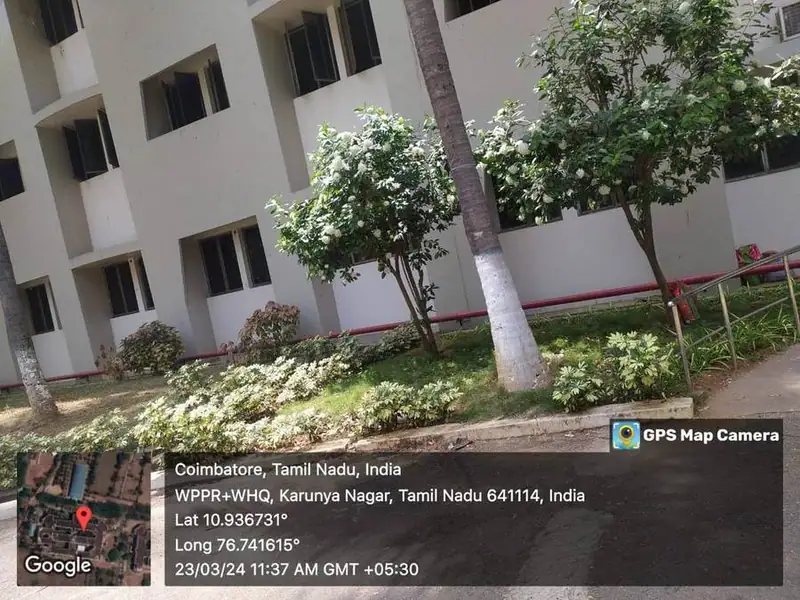
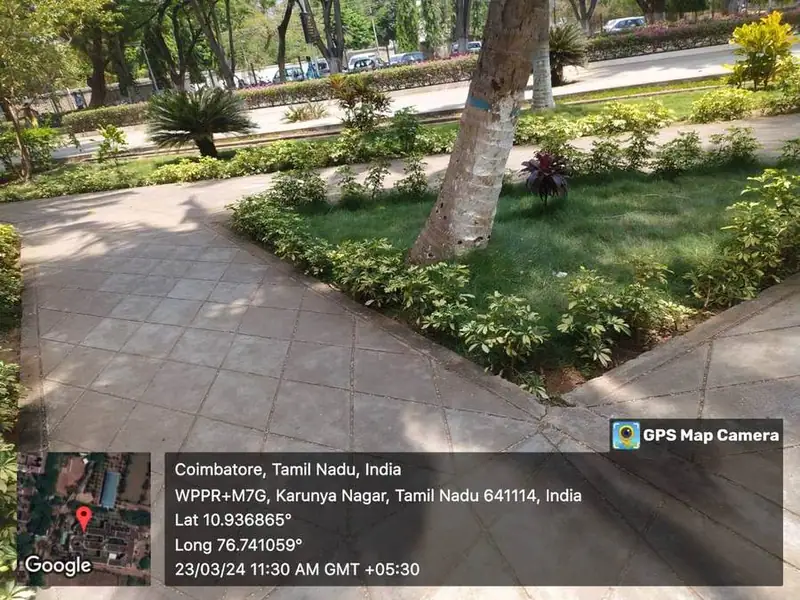
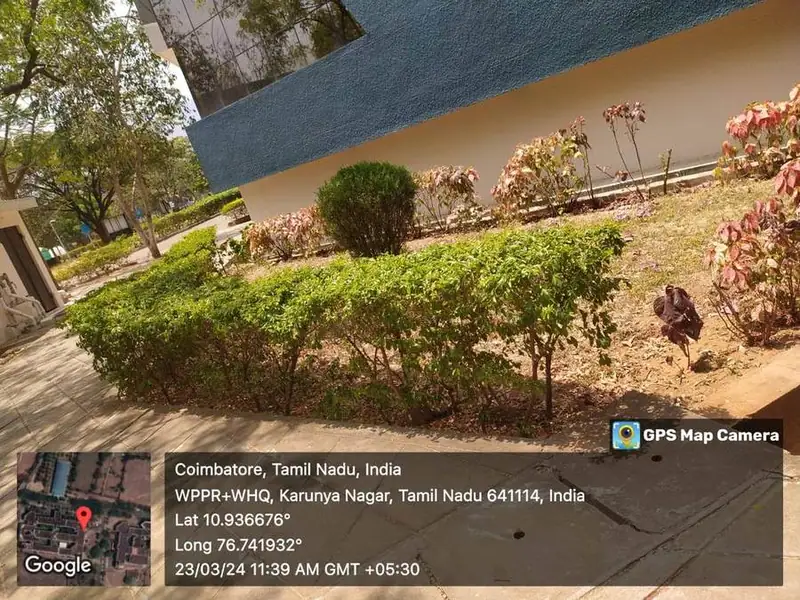
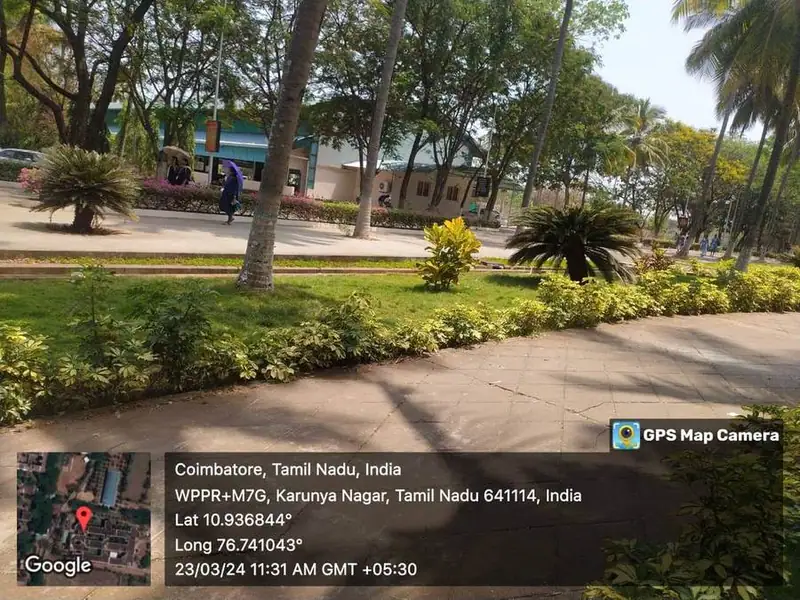
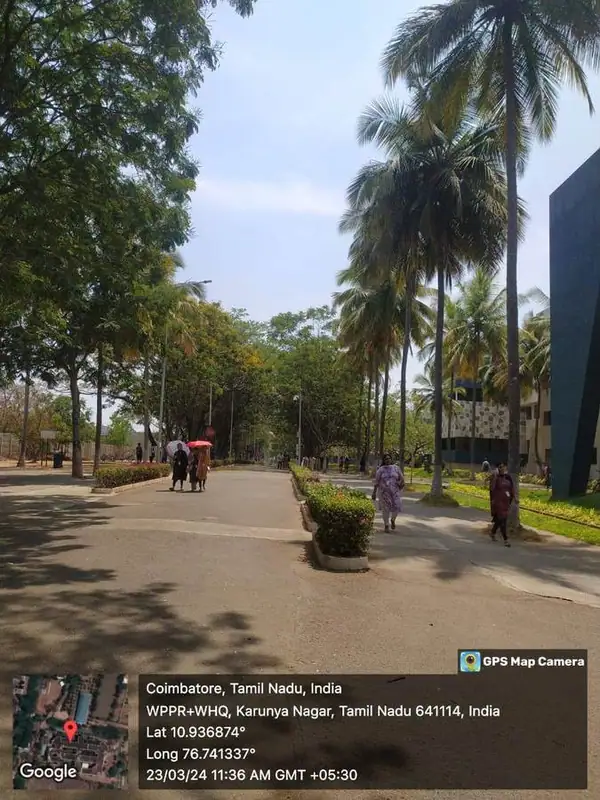
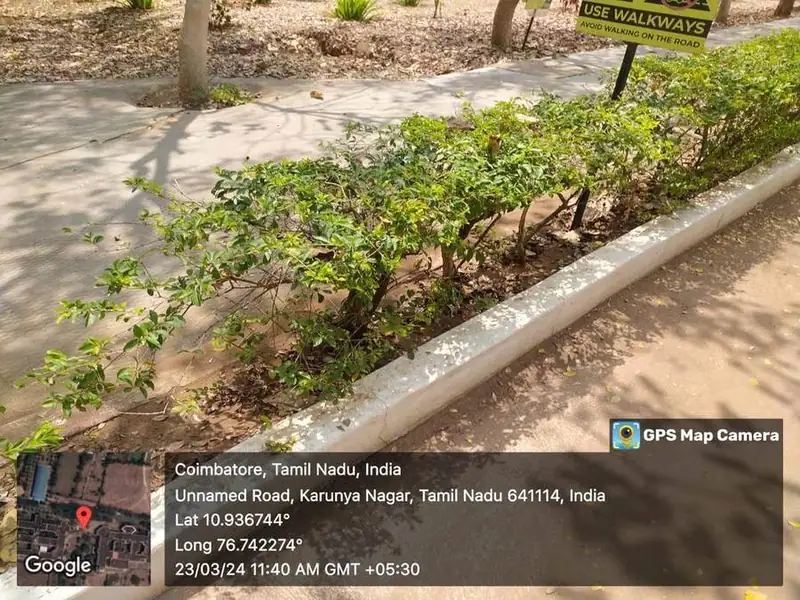
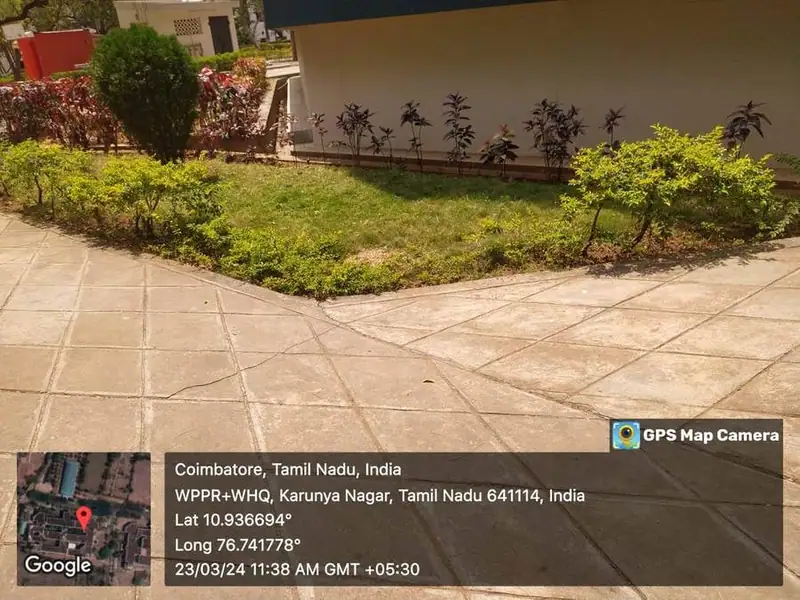
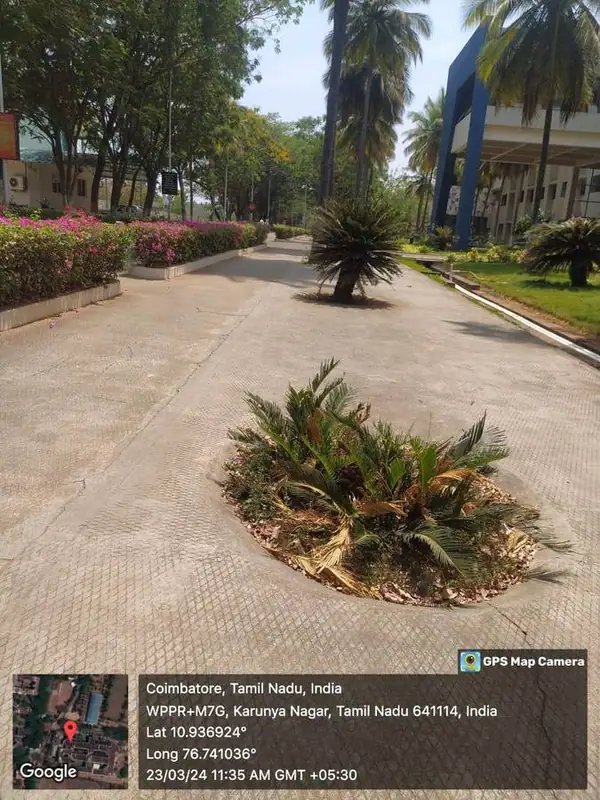
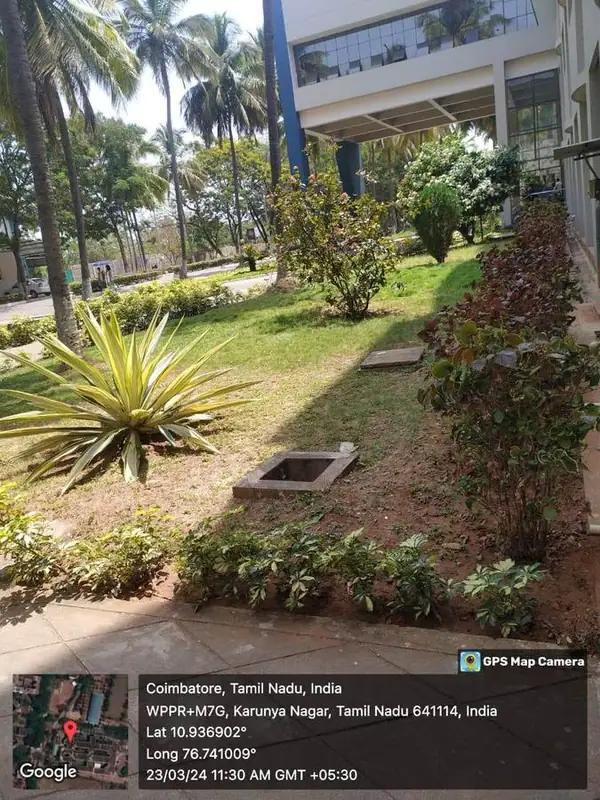
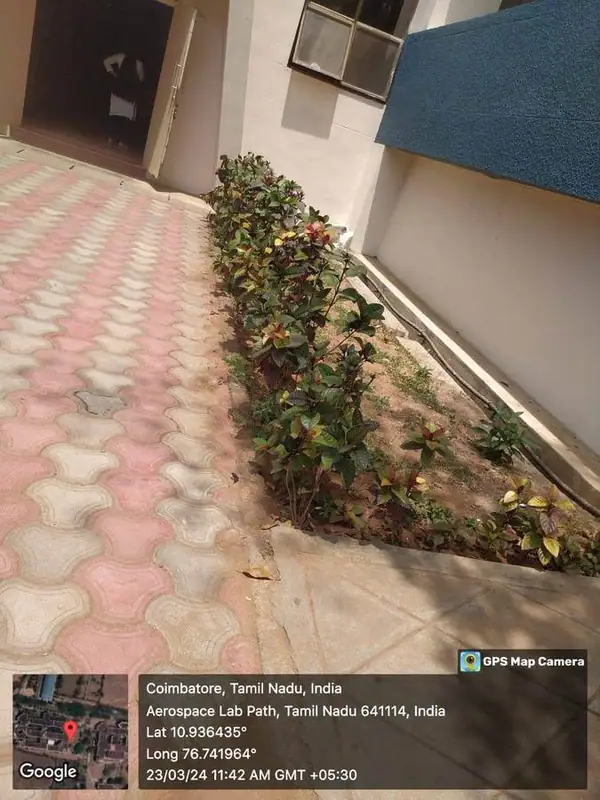
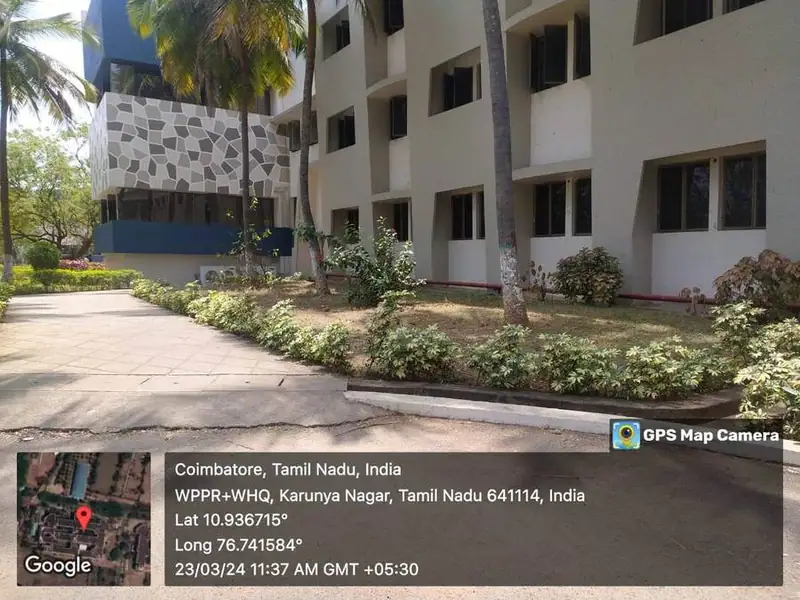
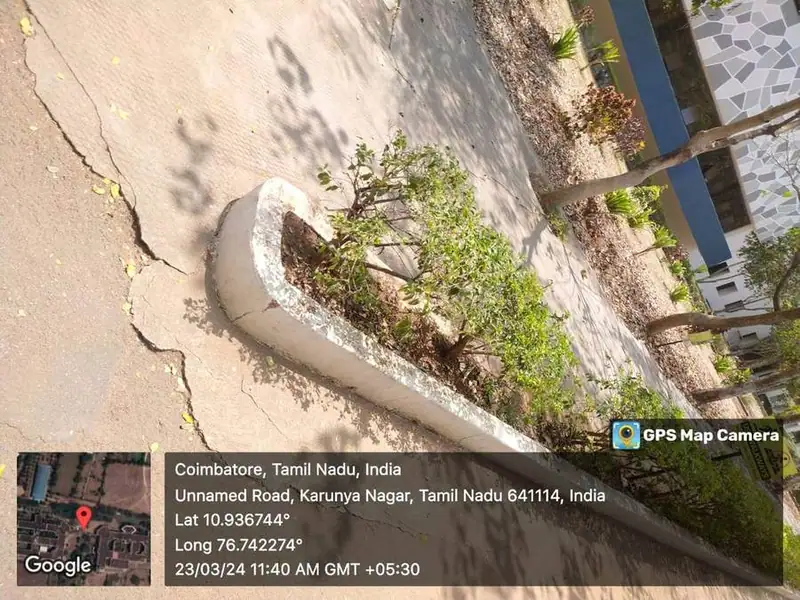
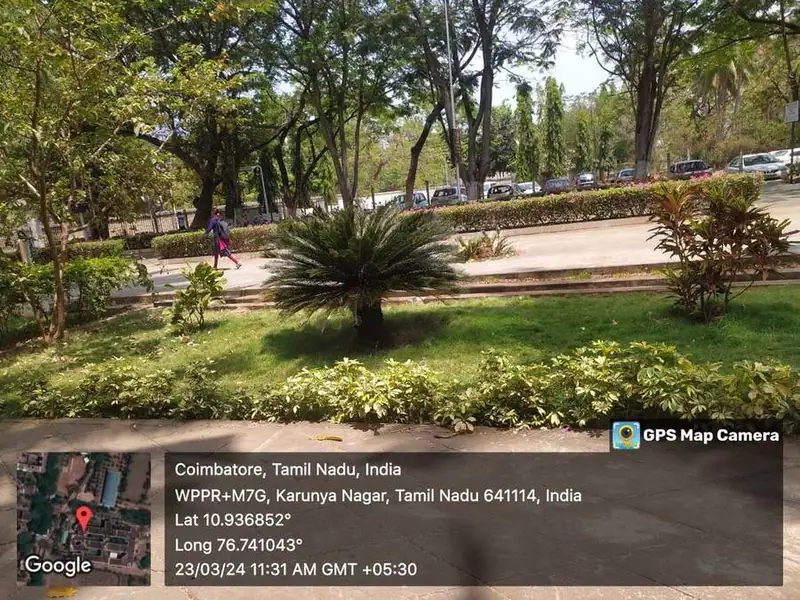
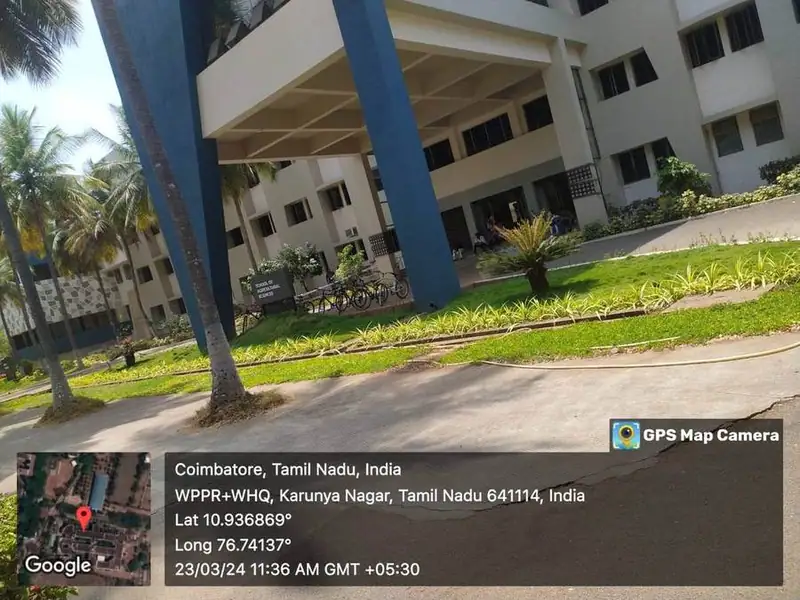
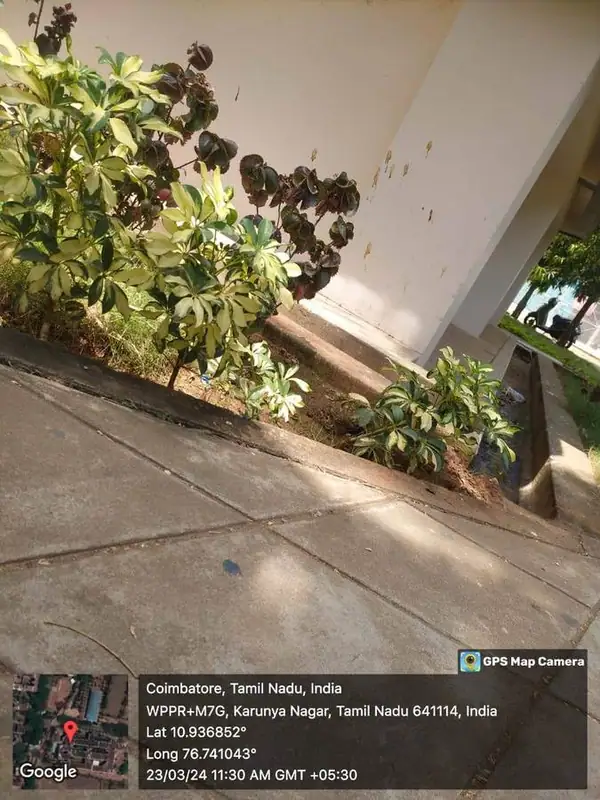
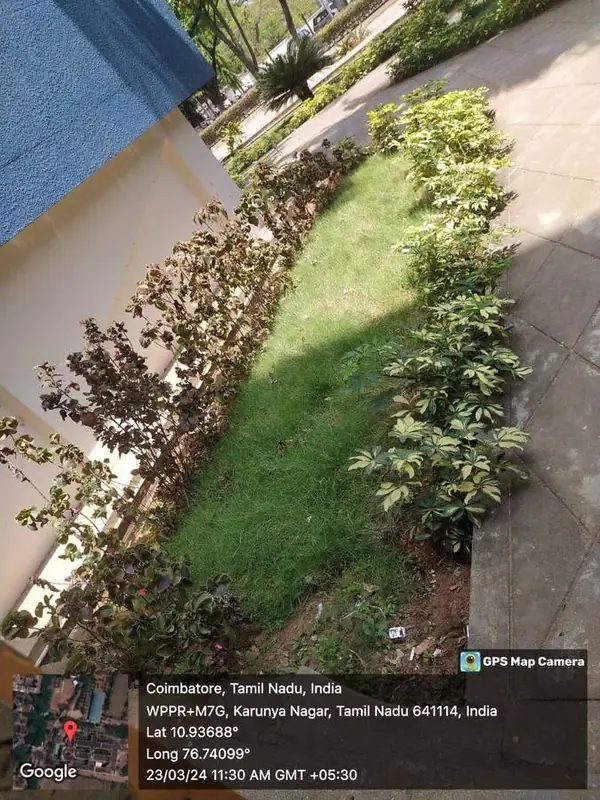
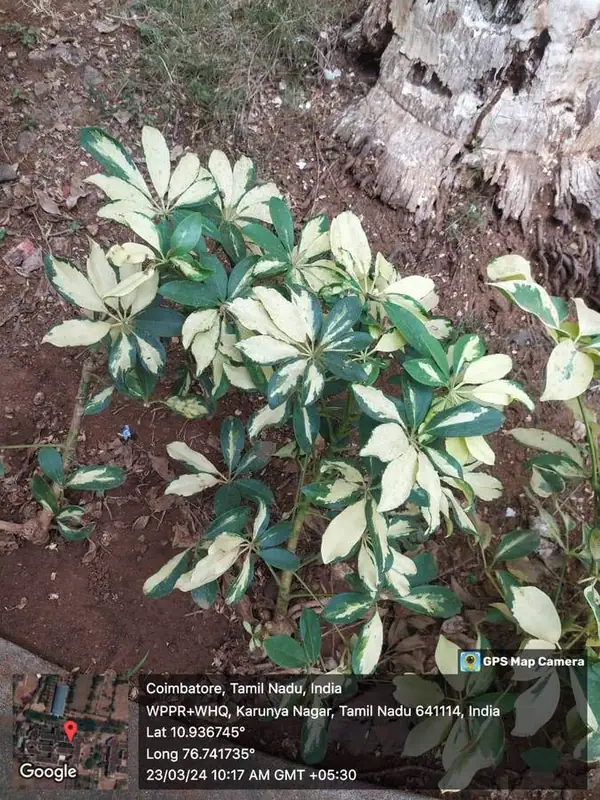
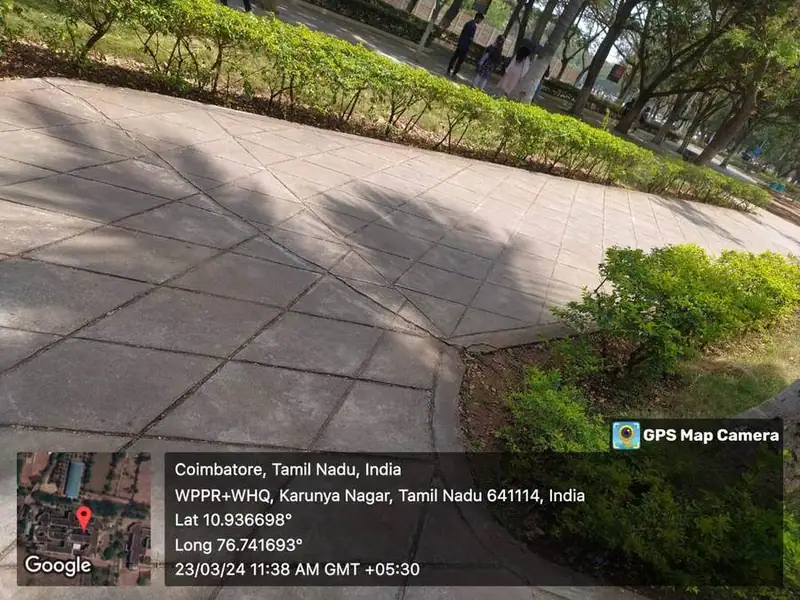
Water Conscious Landscape inside KITS Campus
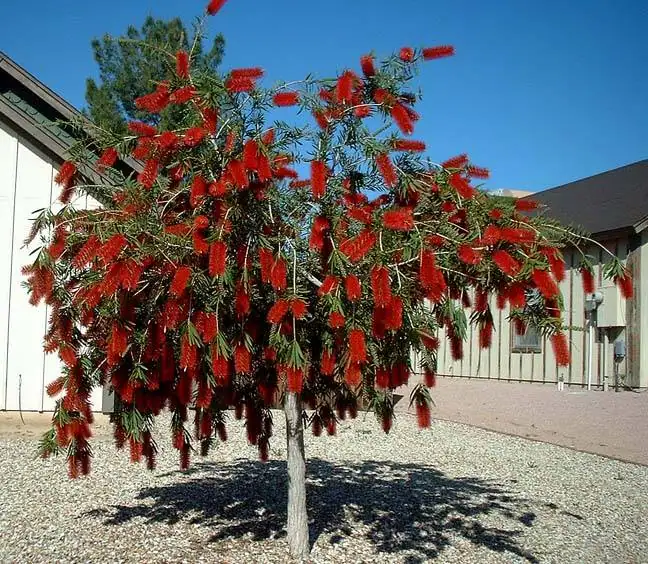
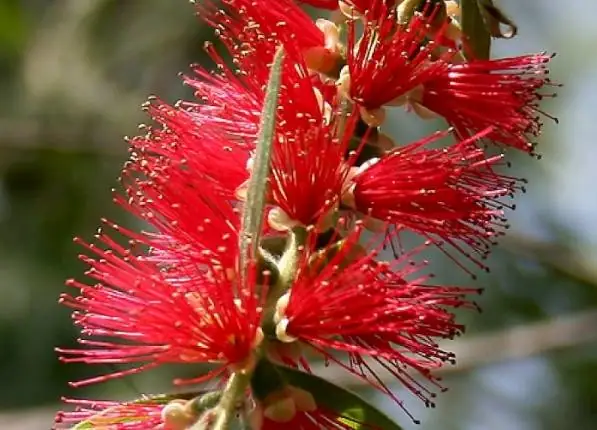
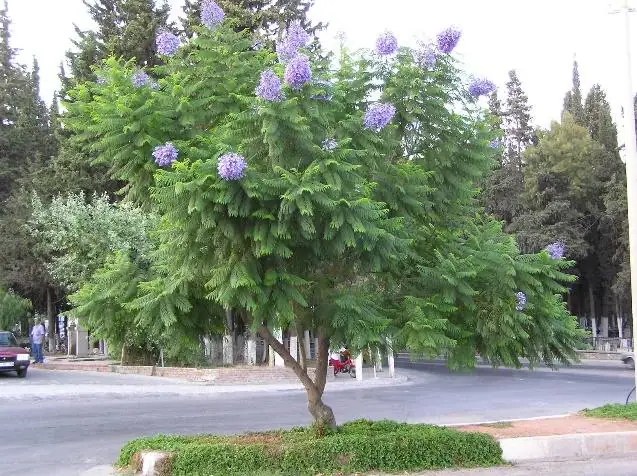
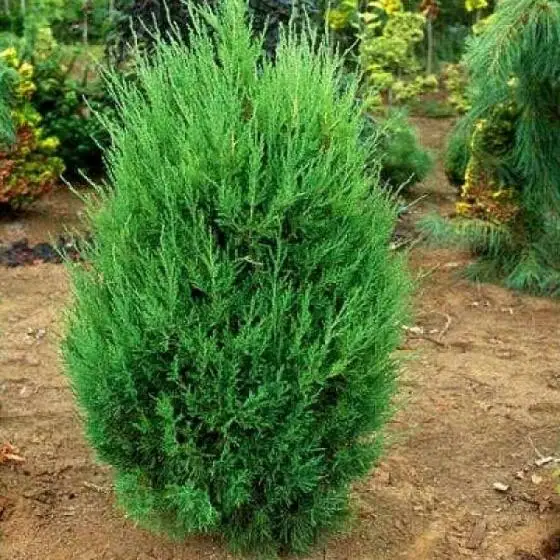
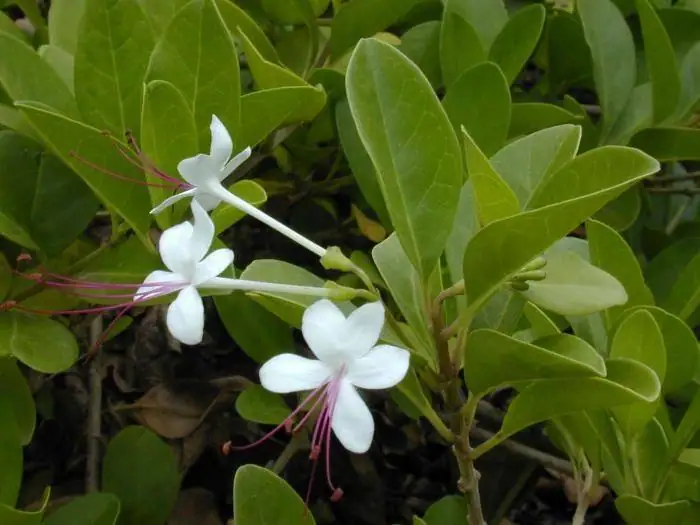
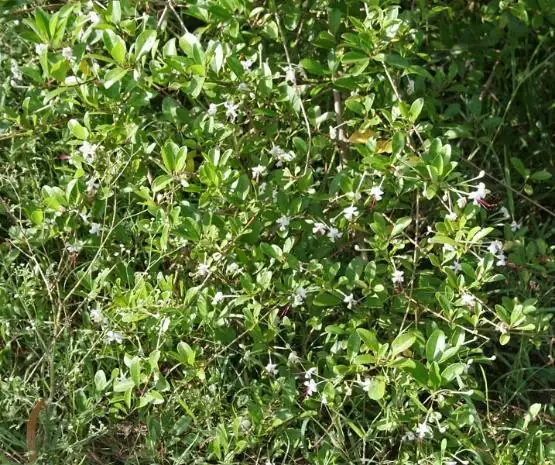
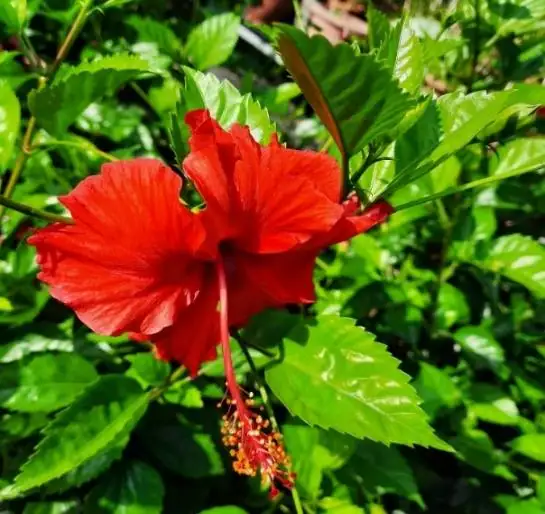
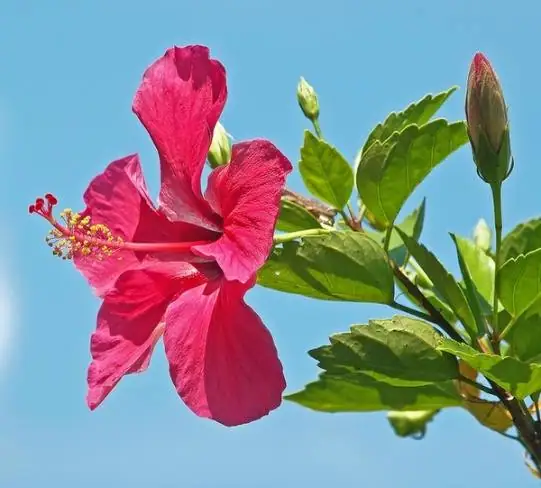
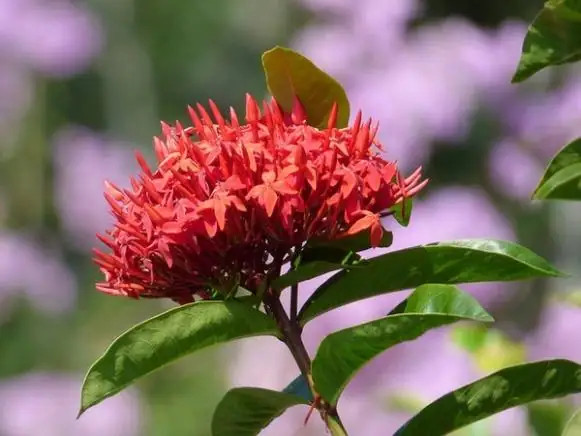
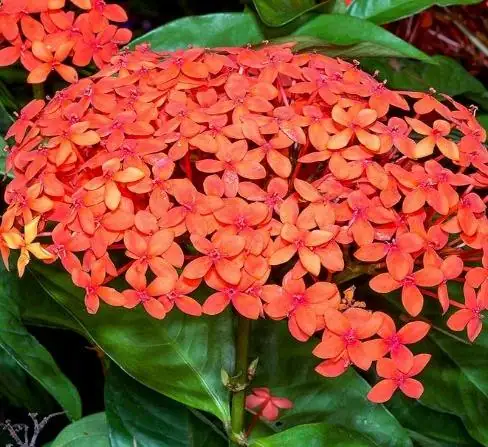
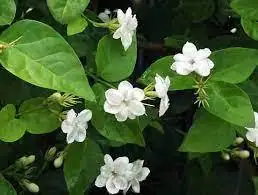
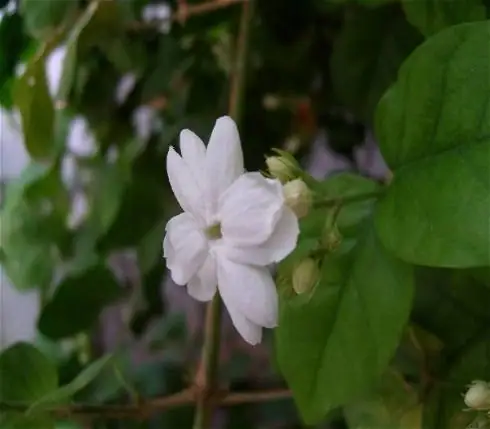
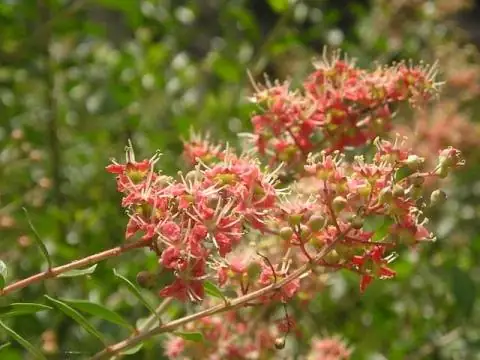
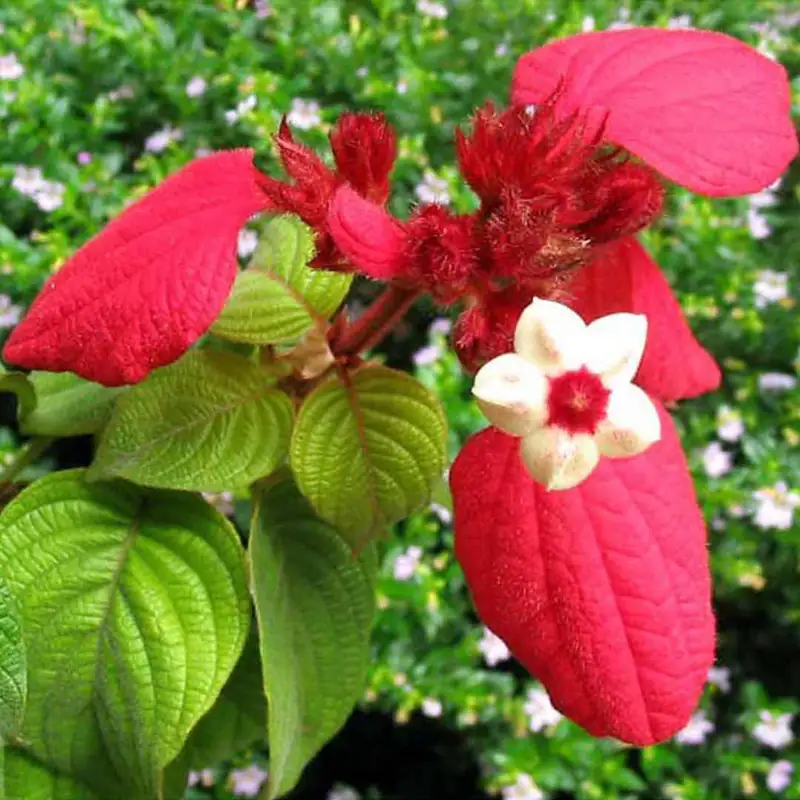
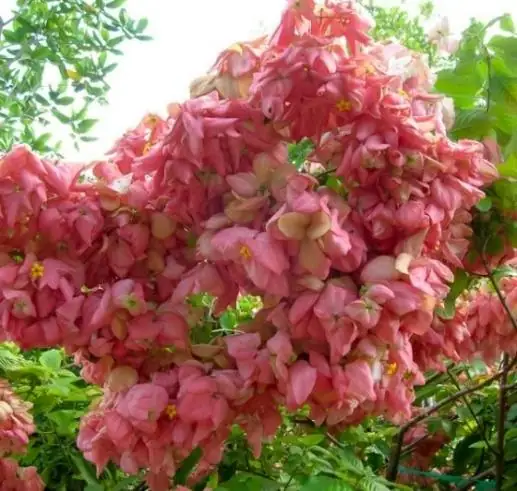
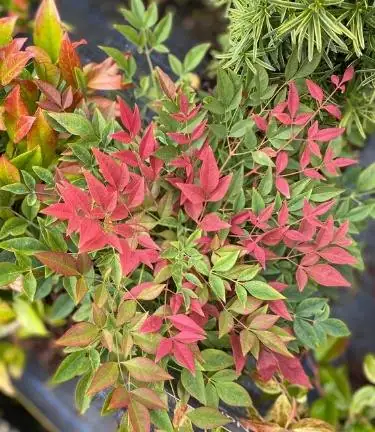
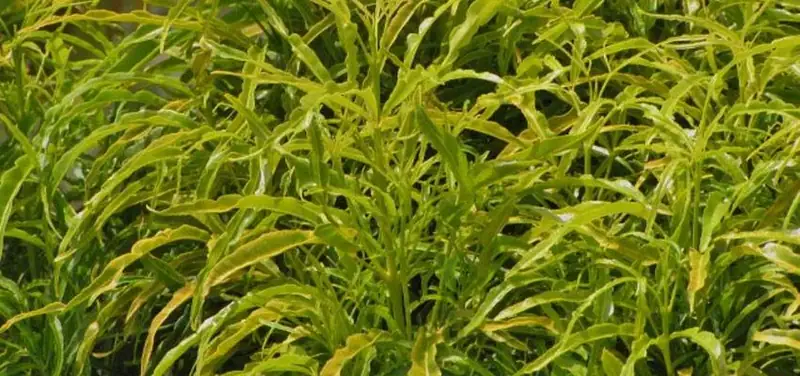
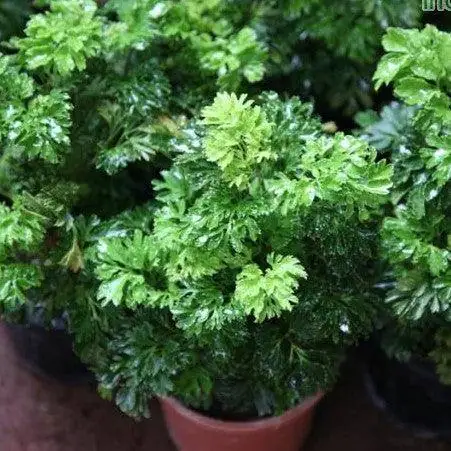
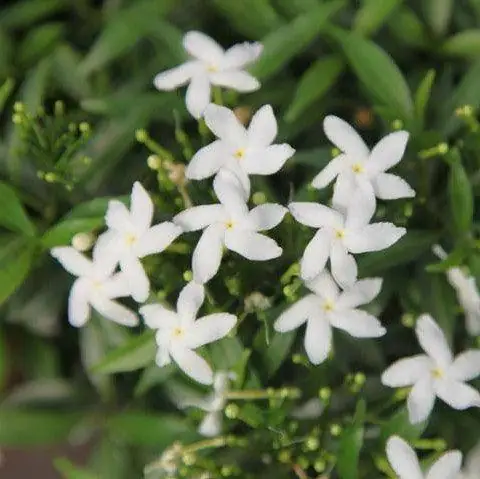
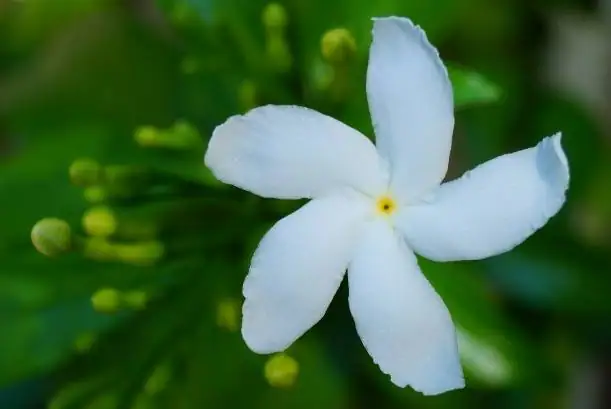
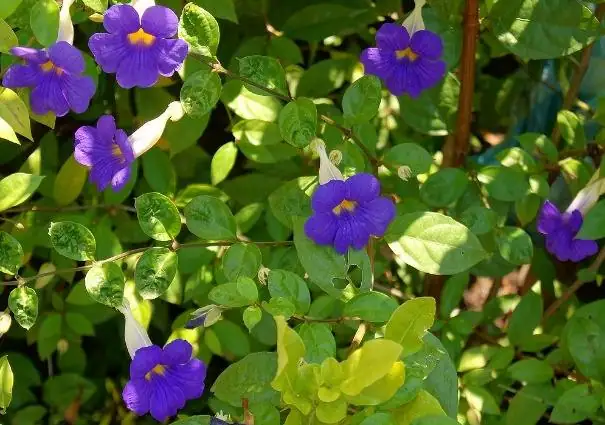
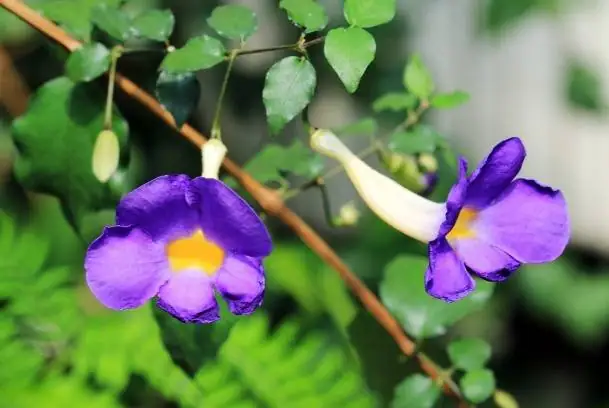
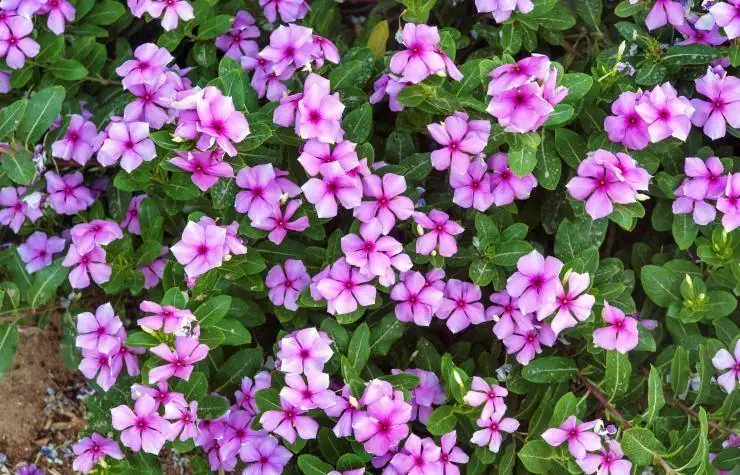
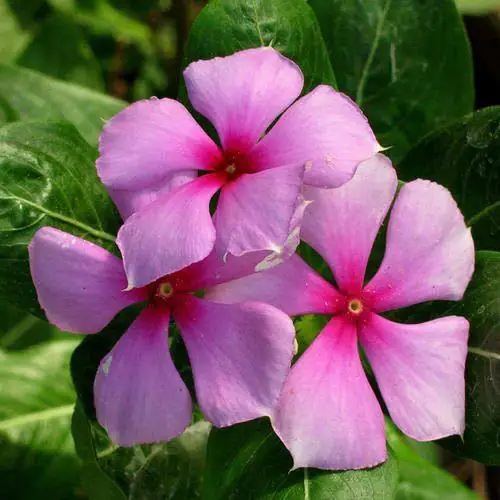
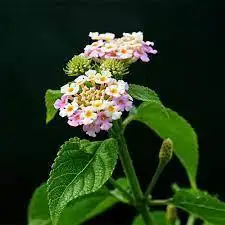
THE SHRUBS PRESENT INSIDE THE KITS CAMPUS
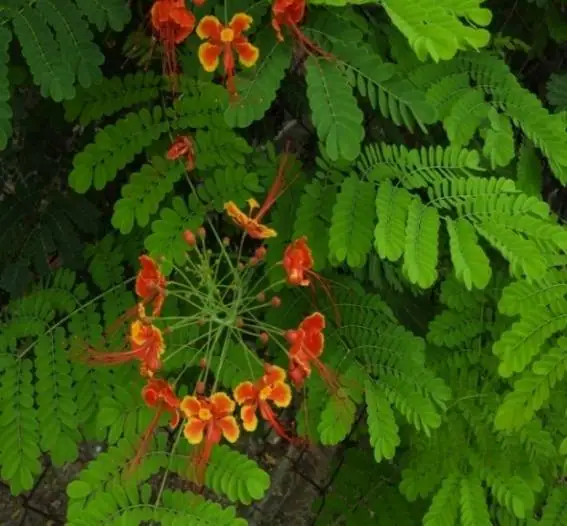
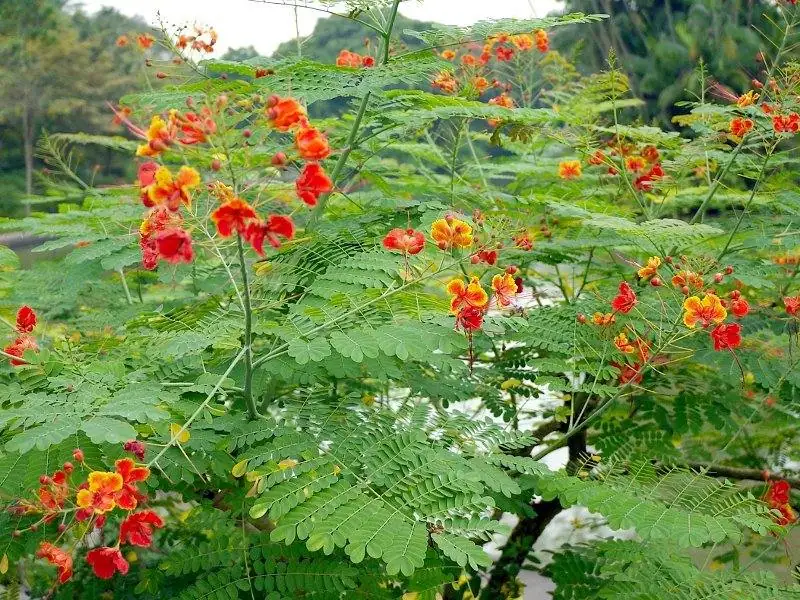
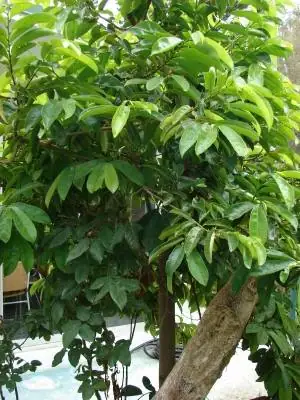
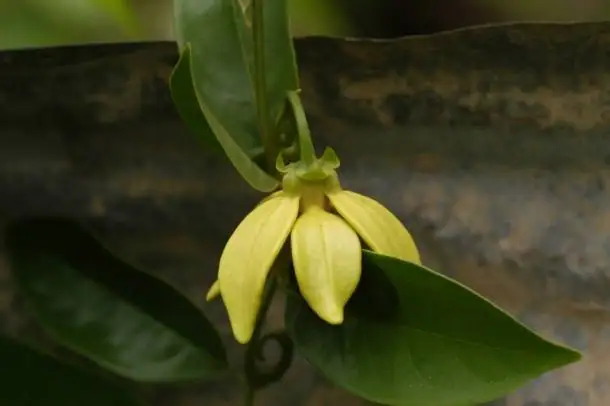
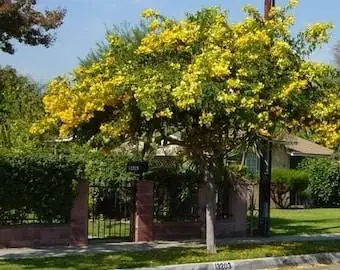
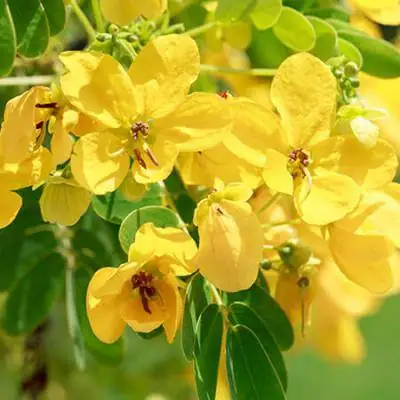
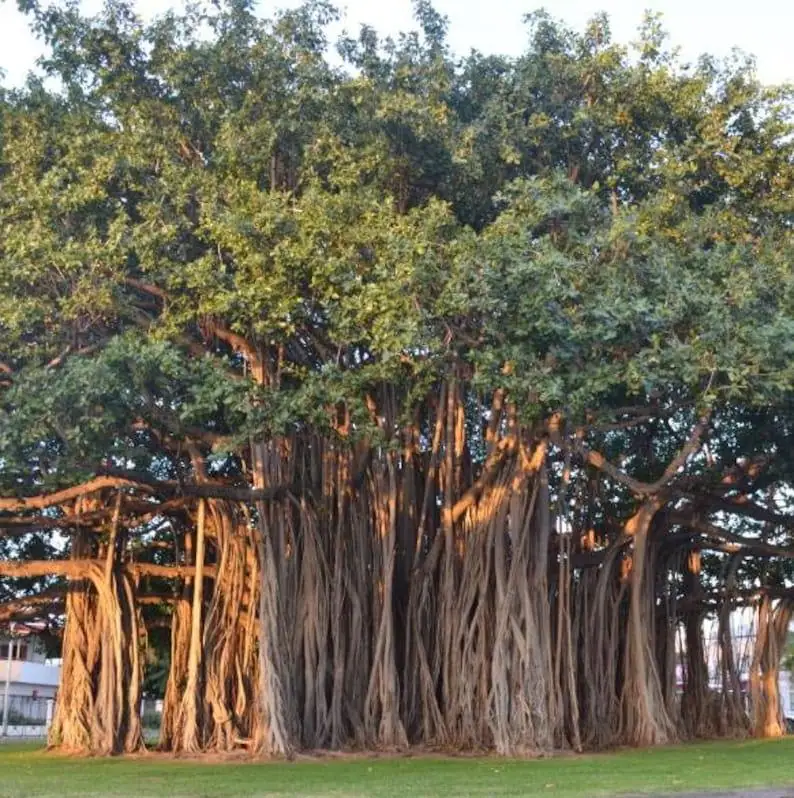
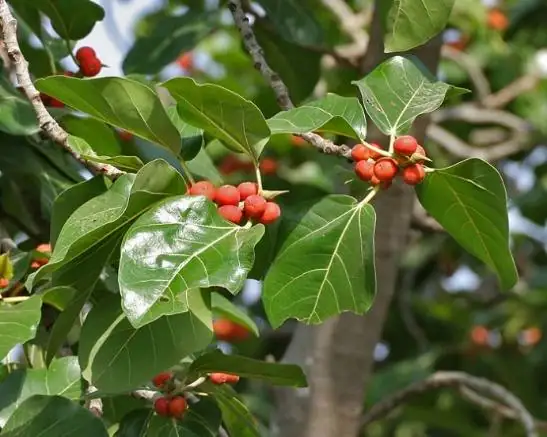
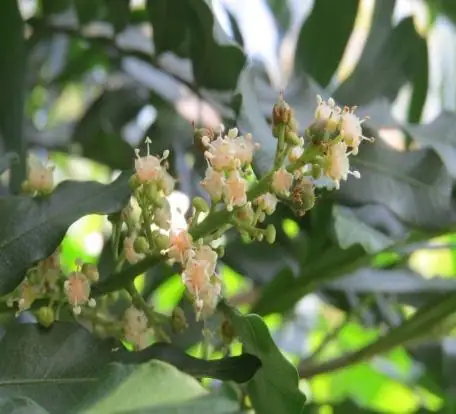
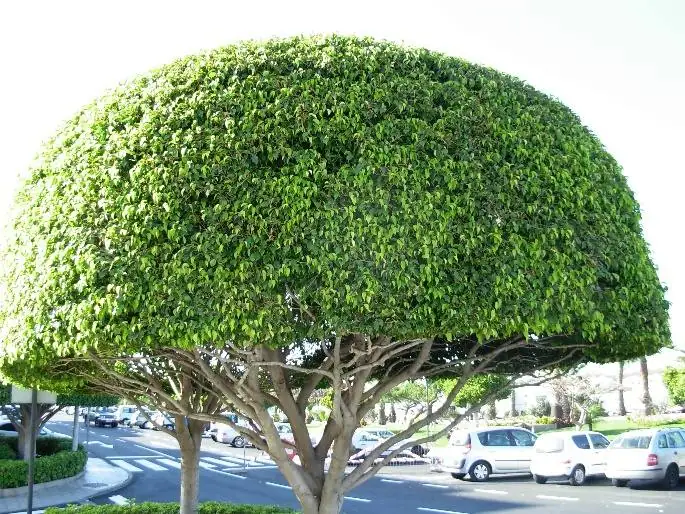
THE ORNAMENTAL TREE SPECIES PRESENT INSIDE KITS CAMPUS