1. Processes for Preventing Water Pollution
Karunya Institute of Technology and Sciences (KITS) has implemented several environmental management measures to prevent water pollution and protect campus water resources. The institutional Policy on Environmental Sustainability - Green Campus, Environment and Energy Conservation provides guidelines for wastewater treatment, water-quality monitoring, solid waste management, and responsible water use.
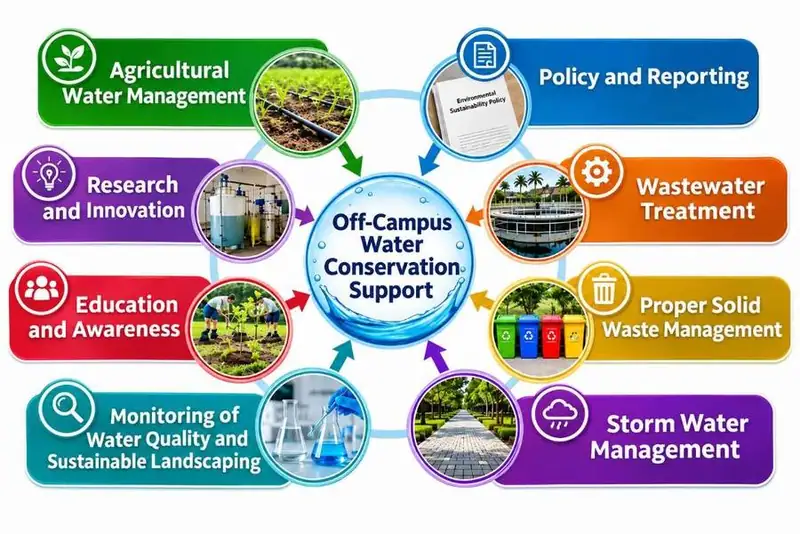
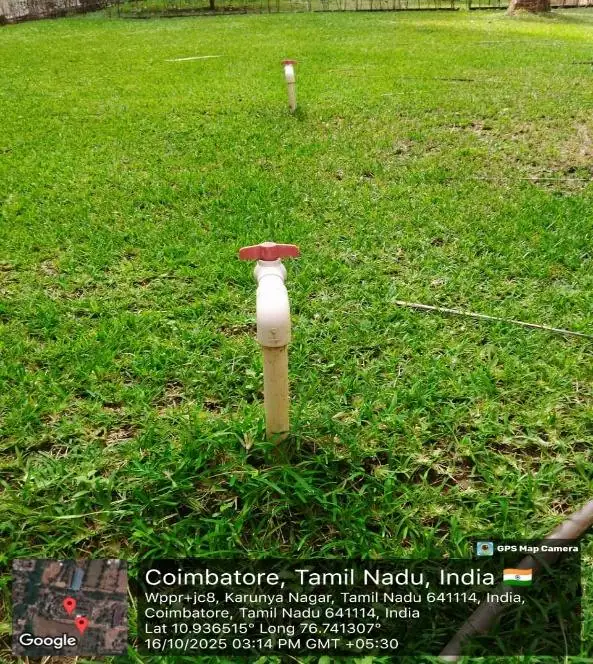
Four Sewage Treatment Plants (STPs) have been established in student residential facilities for treating domestic wastewater, while four biogas plants are used for blackwater treatment and biogas recovery. Treated wastewater is reused for gardening and landscape maintenance through 113 outlets, reducing uncontrolled wastewater discharge.
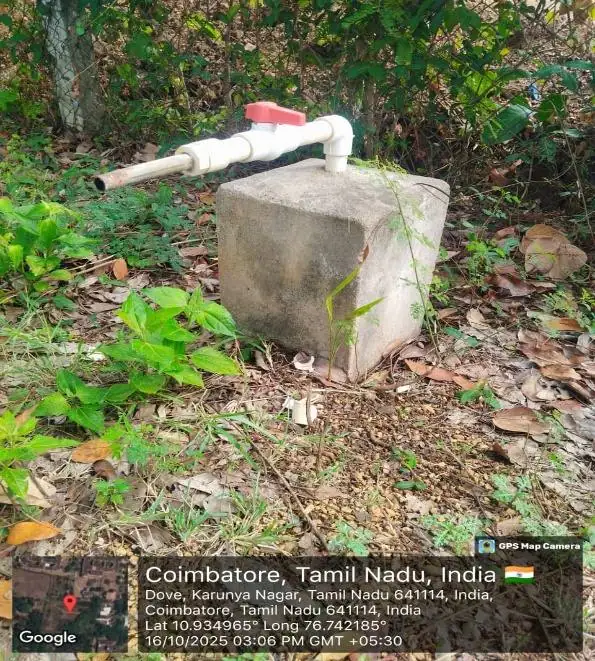
The campus also follows agricultural water management practices, including drip and sprinkler irrigation, and has established check dams, percolation ponds, and farm ponds to support groundwater recharge and reduce soil erosion and runoff. Rooftop rainwater harvesting structures, drainage channels, and permeable pavements further support stormwater management.
Solid waste is segregated into biodegradable, recyclable, non-recyclable, and electronic waste. The campus has approximately 3,000 waste bins, and biodegradable waste is processed through vermicomposting. The eco-friendly paper recycling unit also supports responsible resource recovery and reduces the quantity of waste requiring disposal.
KITS has a magnetic water processing unit used for conditioning irrigation water, with the objective of managing salt accumulation in agricultural soils. The unit applies a magnetic field to irrigation water before its use in crop production. This technology complements existing agricultural water management practices, including drip and sprinkler irrigation.
Periodic monitoring of raw water sources and treated wastewater supports the assessment of water quality. Research activities relating to STP performance, effluent characterization, biochar-based water purification, microbial wastewater treatment, and electrocoagulation further contribute to the institution’s water pollution control initiatives.
2. Evidence of Water Pollution Control Measures
Evidence 1: Institutional Policy
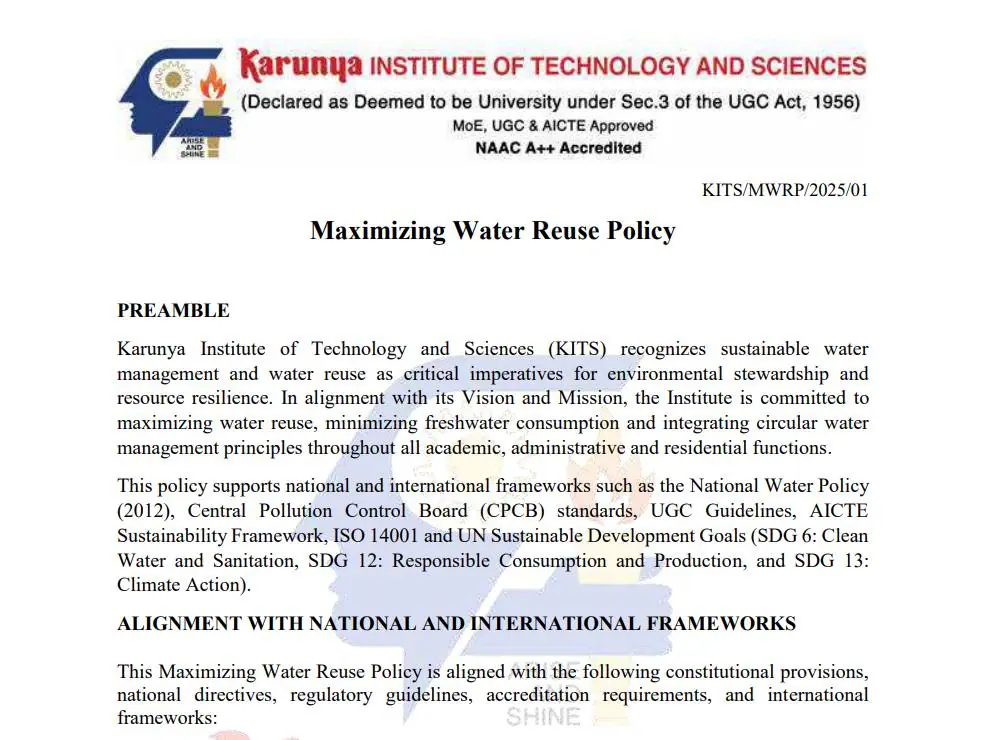
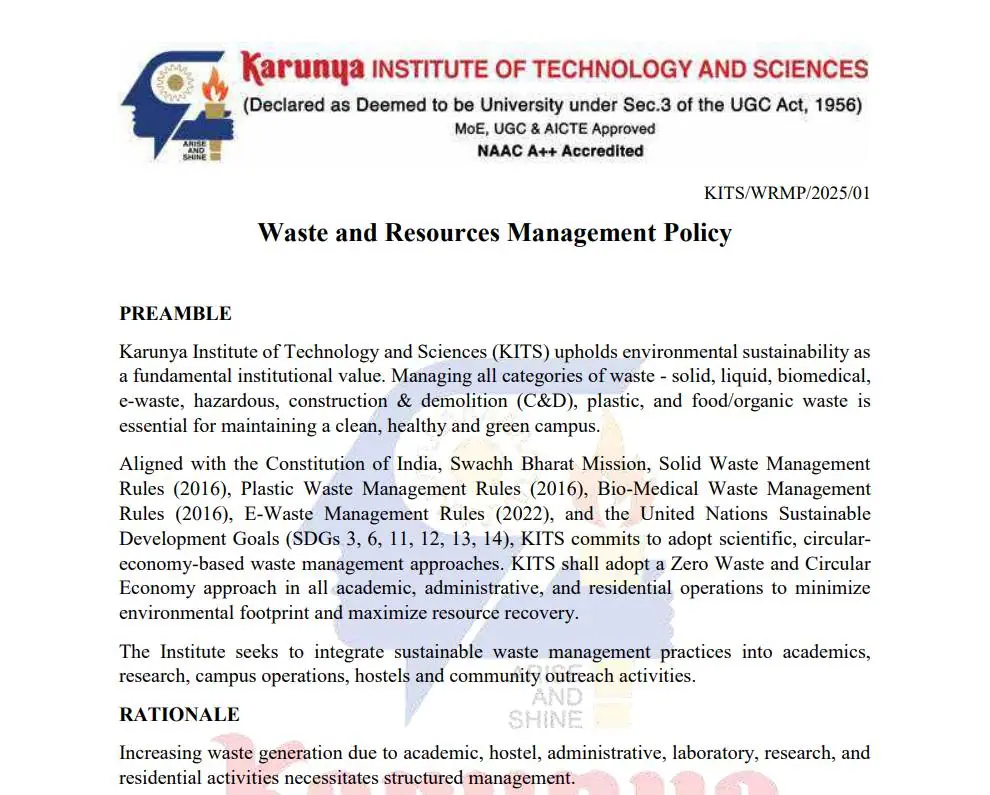
KITS has established institutional policies to strengthen sustainable water and resource management through the Maximizing Water Reuse Policy (KITS/MWRP/2025/01) and the Waste and Resources Management Policy (KITS/WRMP/2025/01) These policies provide an institutional framework for promoting water reuse, reducing freshwater consumption, and encouraging efficient utilization of available resources. They also reinforce responsible waste management, resource recovery, and environmentally sustainable practices across the campus. Through the implementation of these policies, KITS demonstrates its commitment to water conservation, resource efficiency, and long-term environmental sustainability.
Evidence 2: Wastewater Treatment and Reuse Facilities
There are four STPs, four biogas plants, and 113 treated-water outlets used for gardening and landscape maintenance.
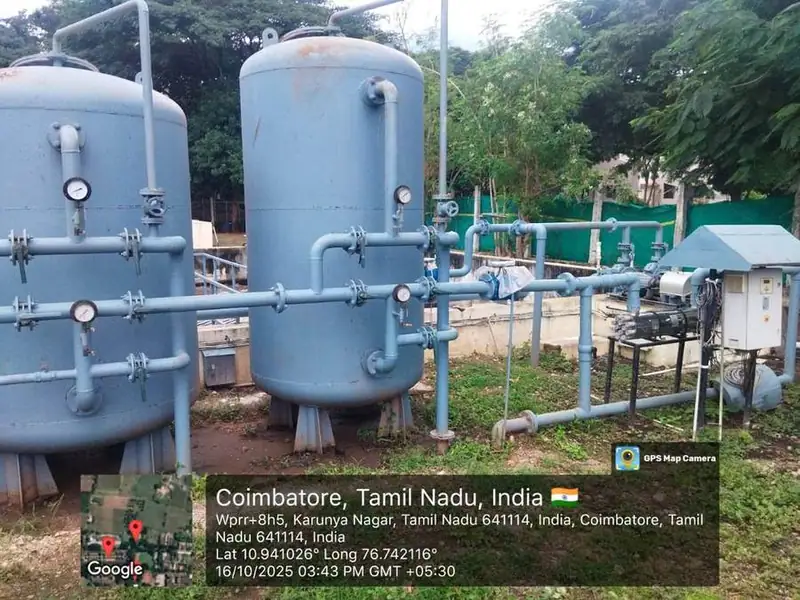
KITS implemented a desalination unit to reduce dissolved salts and other contaminants in water, thereby improving water quality and supporting the availability of treated water for suitable uses. The initiative contributed to sustainable water-resource management, with appropriate attention to the safe management of concentrated brine and treatment residues to prevent secondary water pollution.
Evidence 3: Solid Waste Management and Recycling
The report documents approximately 3,000 waste bins for source segregation, vermicomposting at Karunya North Land, and an eco-friendly paper recycling unit established in January 2017.
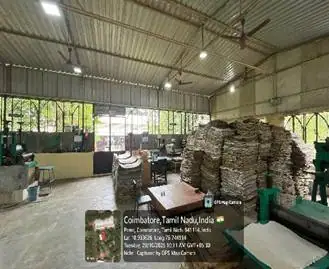
KITS promotes vermicomposting technology for the biological conversion of biodegradable organic waste into nutrient-rich compost using earthworms. This practice reduces uncontrolled organic-waste disposal and associated leachate generation, thereby helping prevent contamination of surface water and groundwater.
Evidence 4: Stormwater and Agricultural Water Management
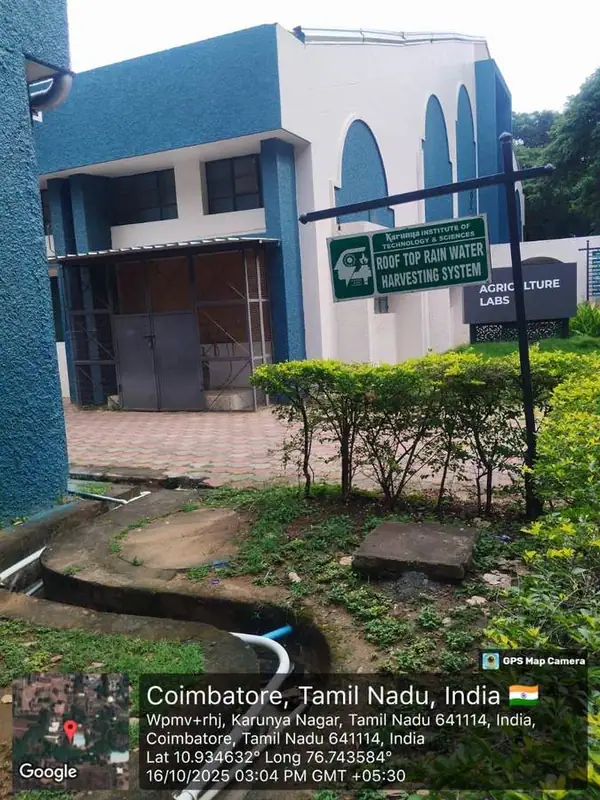
The rooftop rainwater harvesting, drainage channels, permeable pavements, drip and sprinkler irrigation, check dams, percolation ponds, and farm ponds as components of campus water management.
Evidence 5: Water-Quality Monitoring and Research
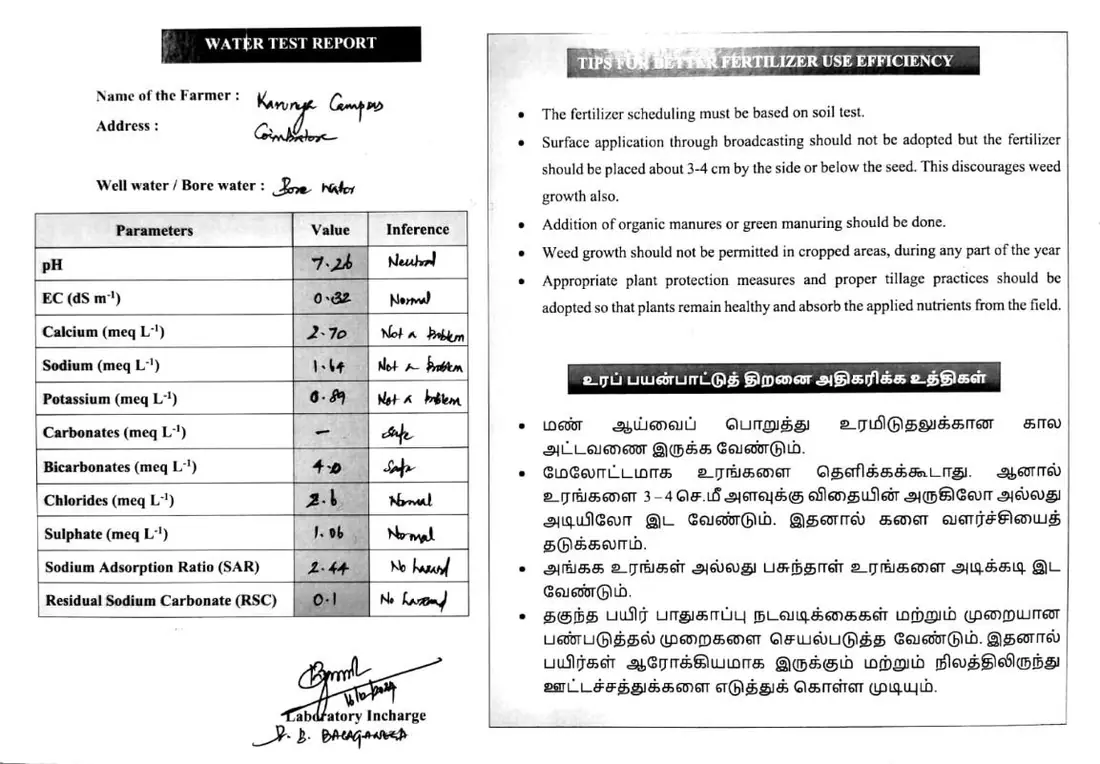
The raw water sources are periodically tested and that water-quality reports are prepared and reviewed. It also reporting that research activities involving wastewater treatment, effluent characterization, biochar, microbial treatment systems, and electrocoagulation.
3. Education and Awareness
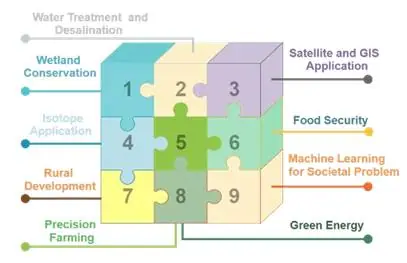
KITS promotes capacity building through a range of initiatives, including awareness programs, training workshops, extension and community development activities, as well as innovative pilot projects. These efforts are implemented under various Karunya Technology Missions focused on areas such as Water and Desalination, Wetland Conservation, Rural Development, Smart Technologies for Precision Farming, and Food Security.
The Nature Club of KITS, comprising three units - Environment, Green Campus, and Solid Waste Management provides students and staff with opportunities to actively engage in environmental conservation. The club organizes diverse activities such as nature trails, plantation drives, forest treks, film screenings on biodiversity and environmental issues, as well as competitions and awareness campaigns aimed at fostering environmental stewardship within the campus community.
KITS promotes vermicomposting technology for the biological conversion of biodegradable organic waste into nutrient-rich compost using earthworms. This practice reduces uncontrolled organic-waste disposal and associated leachate generation, thereby helping prevent contamination of surface water and groundwater.
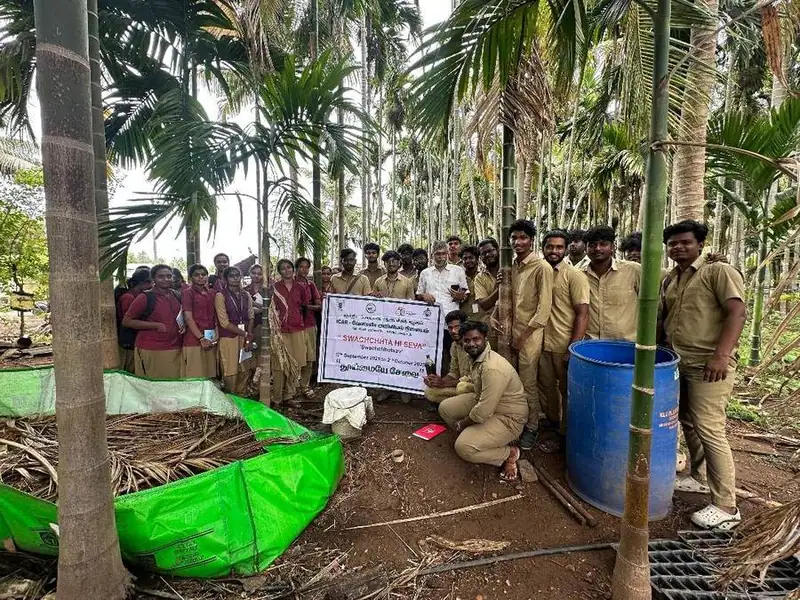
Demonstration on vermicomposting technology in Coimbatore
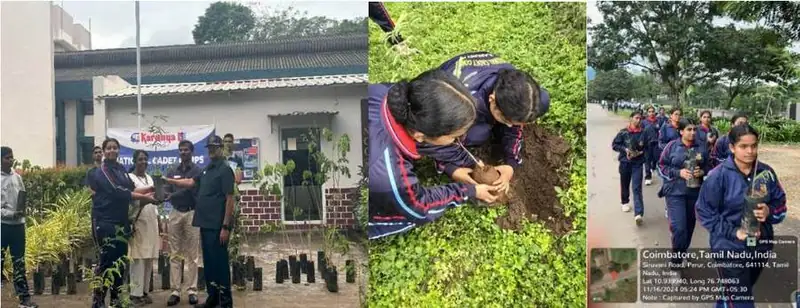
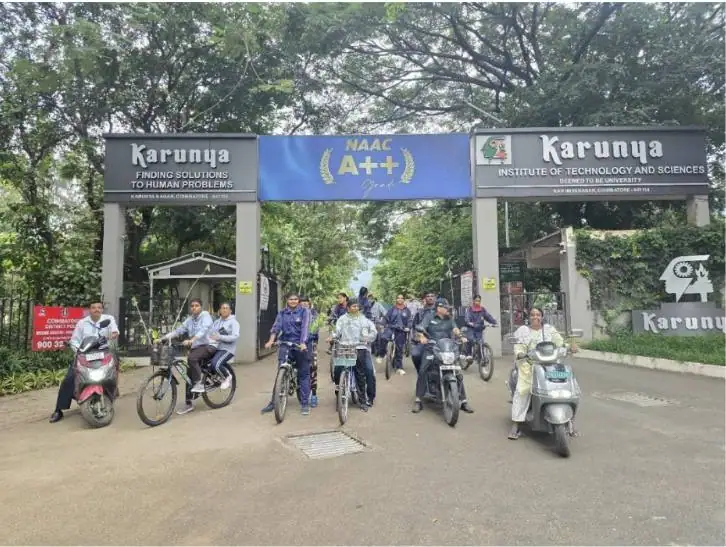
Tree plantation drive and Awareness Rally around Karunya Campus, Coimbatore
4. Prevention of Water System Pollution and Management of Accidental Spills and Incidents
KITS emphasizes the prevention of water pollution through responsible management of laboratory chemical wastes, wastewater and other potentially hazardous substances. Laboratory chemical wastes are to be segregated according to their chemical characteristics, collected in properly labelled and leak-proof containers, and disposed of through appropriate authorized channels. The disposal of chemicals, solvents, acids, alkalis and used reagent bottles into sinks, drainage systems or open areas must be avoided to prevent contamination of water resources. Preventive measures also include safe chemical storage, regular inspection of pipelines and drainage facilities, and appropriate handling of accidental spills and leakages. In the event of a chemical spill or wastewater release, prompt containment, reporting, cleanup and corrective action are essential to prevent pollutants from entering stormwater drains, groundwater and nearby water bodies.
5. Research and Innovation
KITS is actively engaged in developing innovative, cost-effective, and eco-friendly solutions to address key water-related challenges, including the availability of potable water, greywater treatment, and groundwater remediation. These efforts are driven by interdisciplinary research and development activities within the campus, leading to the creation of sustainable technologies and practical applications.
Scientific interventions include:
Evaluating the performance of STP unit operations through modeling and simulation studies.
Conducting periodic monitoring and characterization of raw and treated effluents from STPs.
Producing biochar from agricultural waste for the purification of contaminated water.
Isolating microbial strains from campus STPs for bioremediation of wastewater and treatment of effluents from small-scale textile dyeing units in and around Coimbatore.
Developing microbial fuel cell-based systems for greywater treatment and exploring electrocoagulation technology for recycling and reusing detergent water.
Designing a conceptual model for decentralized wastewater treatment at household and community levels.
Addressing microplastic pollution through research and academic initiatives focused on understanding and controlling microplastic contamination in the environment.