
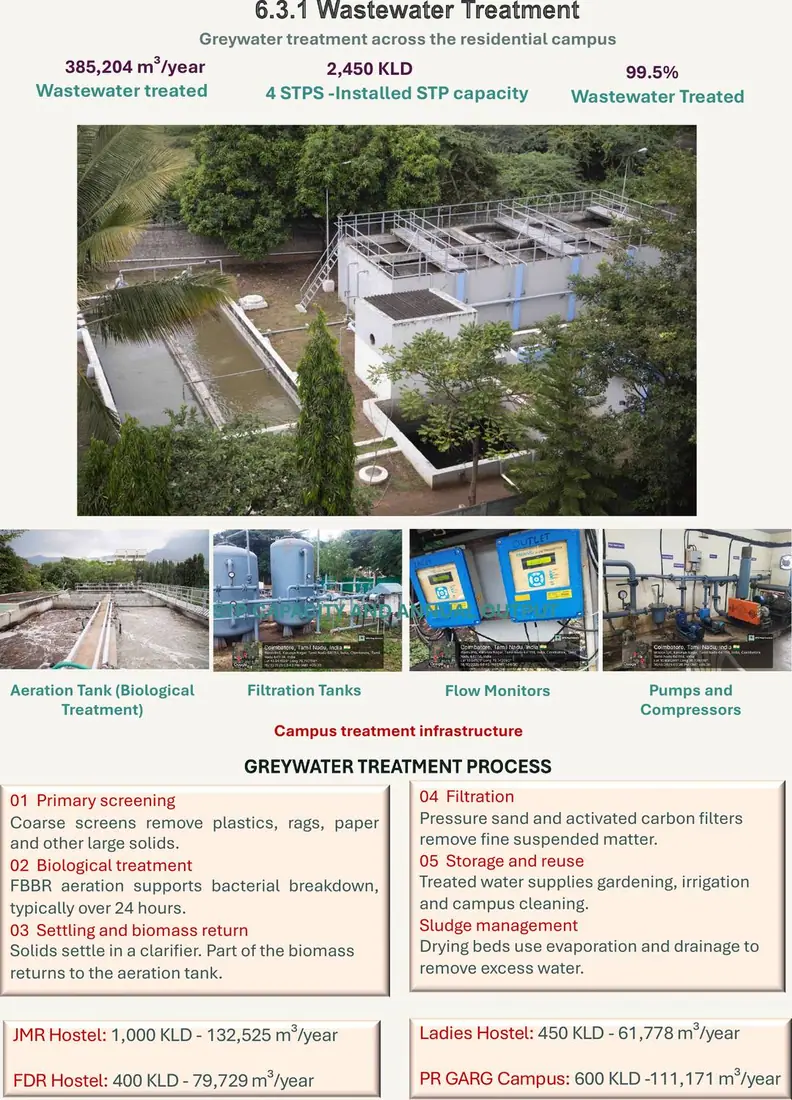
Total Wastewater generation –387,022 m³ (Inflow)
Total Wastewater Treated - 385,204 m³ (Outflow treated water)
% of Wastewater Treatment – 99.5%
Wastewater Treatment (Greywater and Blackwater Treatment)
In KITS, for effective recycling and reuse of greywater from sinks, showers, washing of utensils in the kitchen and washing machines, four Sewage Treatment Plants (STP) have been constructed in the Student Residences. In addition to that, to treat the black water from all the student residences, four Biogas Plants are available to treat black water and recovery of biogas to substitute two to three commercial cylinders for cooking every day. The treated or recycled wastewater is reused for gardening (from 113 STP treated water outlets). The details on the capacity of each STP and the inflow rate with the quantity of treated effluent:
| Source | Annual Output (m³) | Utilization | Monitoring |
|---|---|---|---|
| JMR STP | 132,525 | Irrigation & Gardening | Flow-Meter Flow-Meter Flow-Meter Flow-Meter |
| FDR STP | 79,729 | ||
| Ladies Hostel STP | 61,778 | ||
| PR GARG STP | 111,171 | ||
| Total Wastewater Treated | 385,204 |
Primary, Secondary and Tertiary Unit Operations and Functions
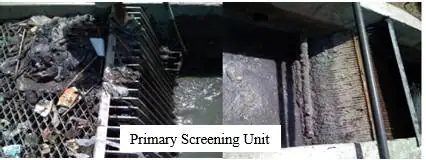
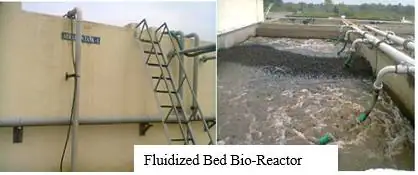
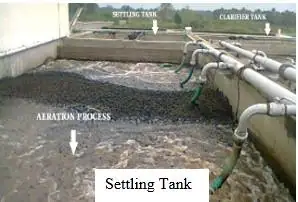
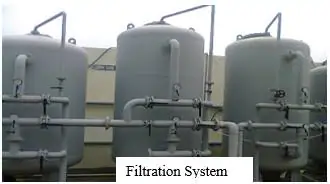
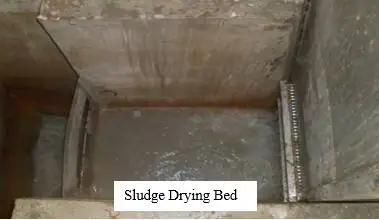
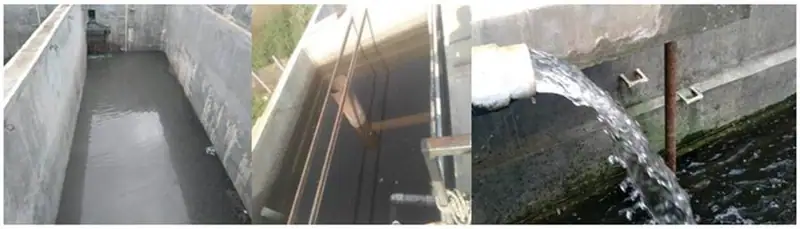
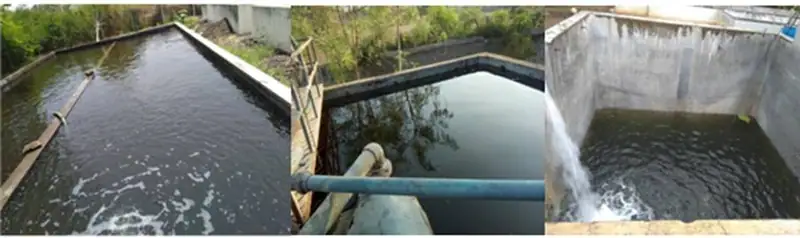
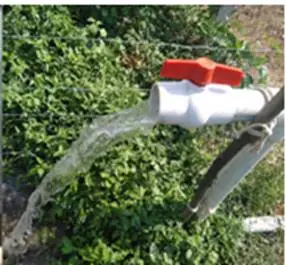
Reuse of Greywater for irrigation and gardening (Outlet Points)
| S. No | No. of outlet locations |
|---|---|
| Student Residences /Hostel | 88 |
| Campus | 25 |
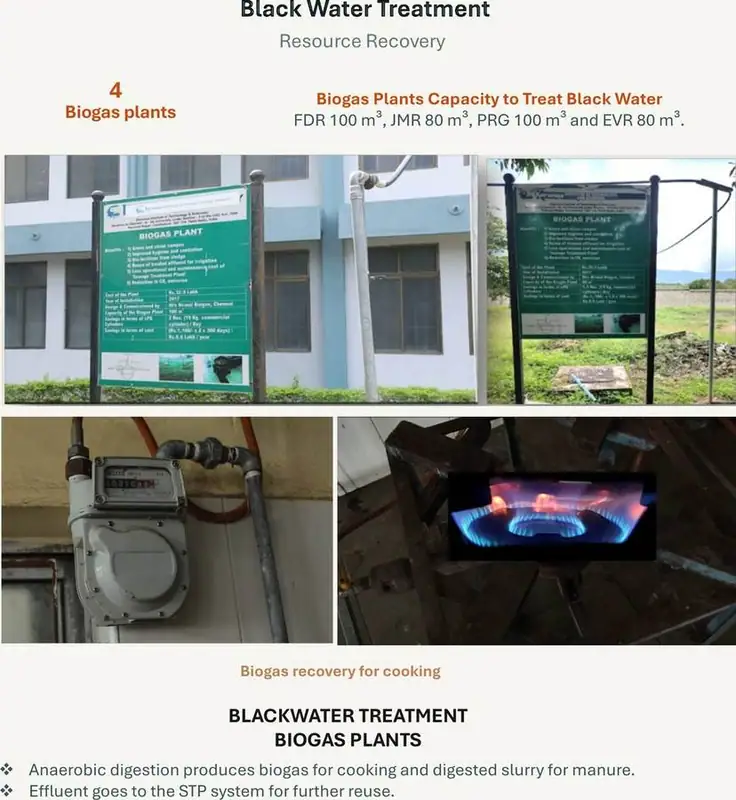
BIO-GAS PLANTS FOR TREATING BLACK WATER
Blackwater: The wastewater from toilets that contains faecal matter and urine.
Bio-gas – An overview
- A biogas plant is a decentralized energy system, which can lead to self-sufficiency in heat and power needs, and at the same time reduces environmental pollution.
Biogas is a gas mixture which is generated when organic compounds are fermented in the absence of air (anaerobic fermentation). This gas mixture is mainly made of carbon dioxide (CO2) and methane (CH4). Methane is a combustible gas, which means it can be burned. It can be used as a sustainable renewable fuel for cooking and lighting.
- Organic matter such as manure (human or animal) is composed and used to feed the plant. The process of anaerobic fermentation will then take place here, to generate biological gas (biogas).
ii) Bio-gas plants in Karunya Campus
Since being a residential campus, blackwater in the hostel zones (both ladies and gents) of Karunya Campus are treated by biogas plant installed in the following location
| S.No. | Location | Capacity of the Bio-gas Plant | Year of Installation | Savings in terms of LPG Cylinders (19Kg) /Day |
|---|---|---|---|---|
| 1 | FDR Campus | 100m3 | 2017 | 2 Nos. |
| 2 | JMR Campus | 80m3 (Multifeed) | 2017 | 2 Nos. |
| 3 | Ladies Hostel (PRG Campus) | 100m3 | 2017 | 2 Nos. |
| 4 | Ladies Hostel (EVR Campus) | 80m3 | 2017 | 1.5 Nos. |
The treated effluent from biogas plant is diverted to the STP for storage and utilized for irrigation/gardening. This will reduce the organic load coming to two STPs of capacity 6 and 4.5 lakh litres of sewage and their operational & maintenance cost.
The biogas produced from the plant can be utilized for cooking, and the residual dung or the digested slurry left after generating biogas can be used as manur for agricultural purposes