1. Sustainable Literacy Assessment
The Sulitest (Sustainability Literacy Test), introduced in 2014, is a globally recognized tool used to assess awareness and understanding of sustainability concepts across environmental, social, and economic dimensions. Aligned with the United Nations Sustainable Development Goals (SDGs), it serves as a benchmark for evaluating sustainability literacy among academic communities worldwide.
Karunya Institute of Technology and Sciences (KITS) is firmly committed to ensuring that all graduates, faculty, and administrative staff demonstrate measurable literacy in sustainability and the United Nations Sustainable Development Goals (SDGs). In the academic year 2024–25, KITS deployed the globally acclaimed Sustainability Literacy Test (Sulitest)—an internationally standardized assessment tool endorsed by the United Nations Higher Education Sustainability Initiative (HESI) and UNESCO—to systematically measure, benchmark, and enhance sustainability literacy across the university community.
By assessing students across engineering, computing, arts, media, and management, alongside faculty members and IQAC coordinators, KITS ensures that sustainability competencies are holistically embedded within academic training and institutional governance.
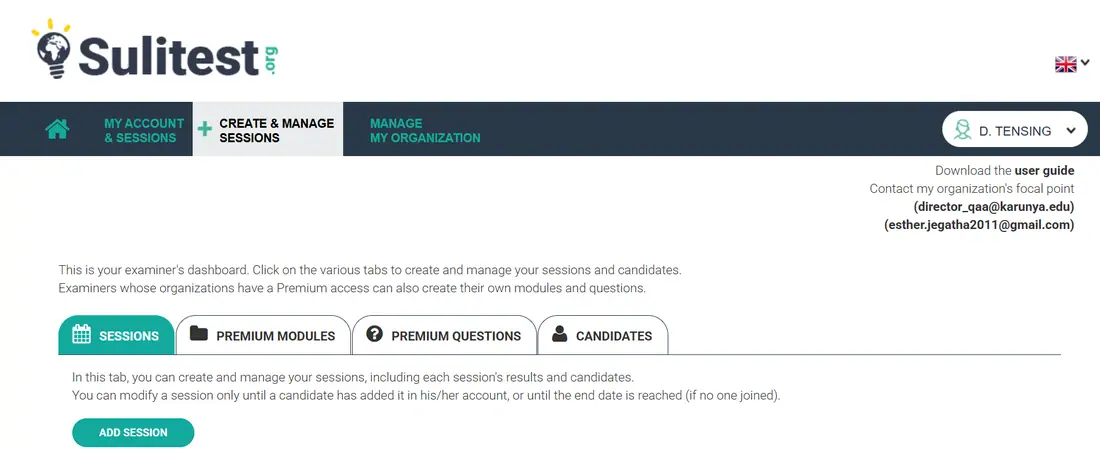
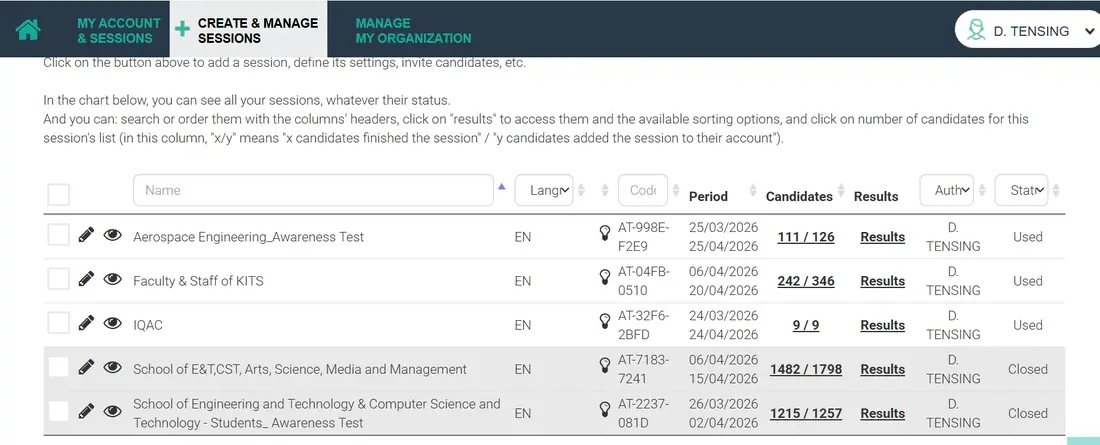
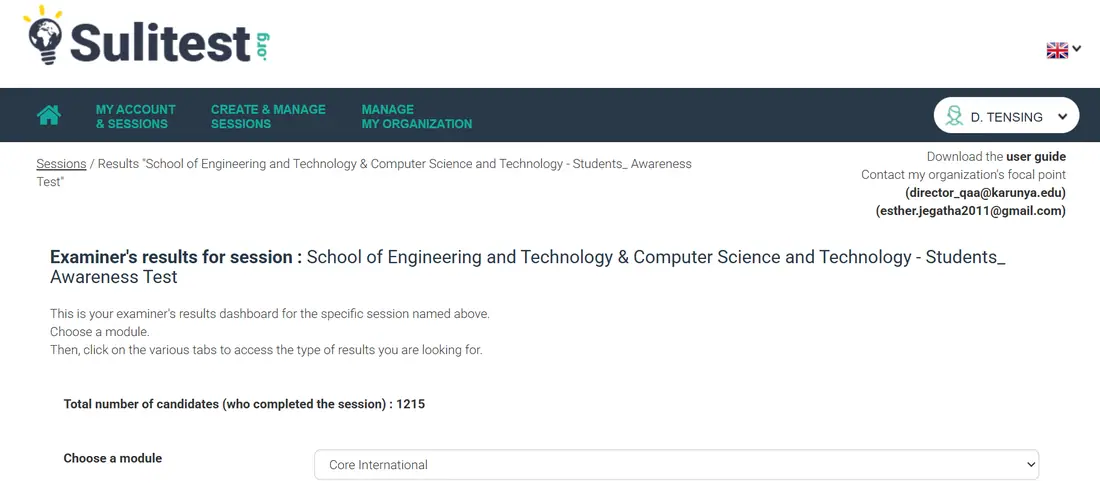
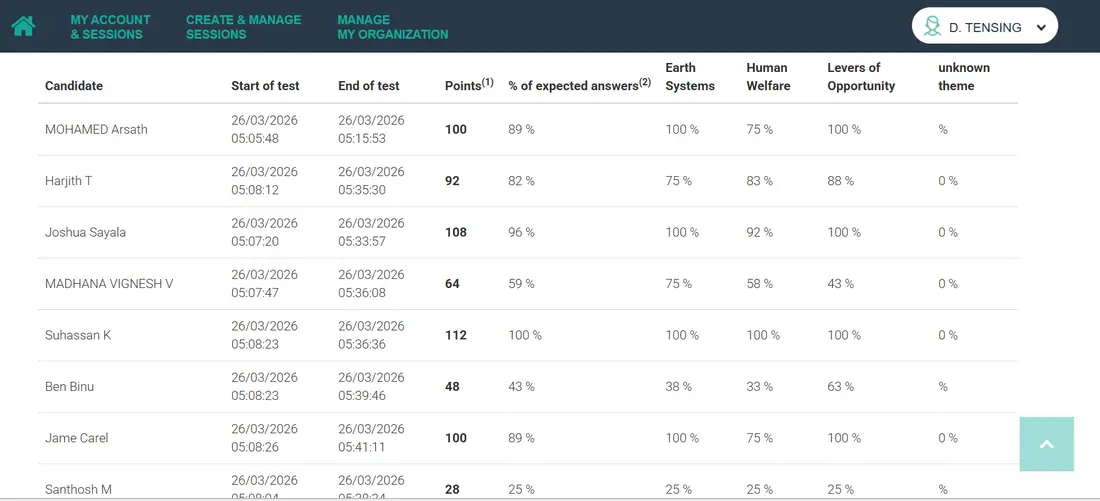
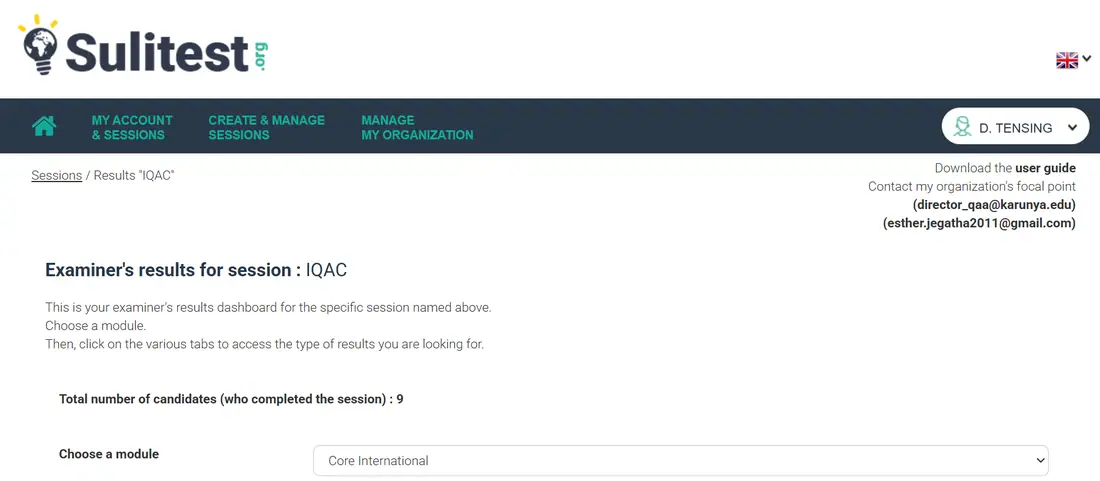
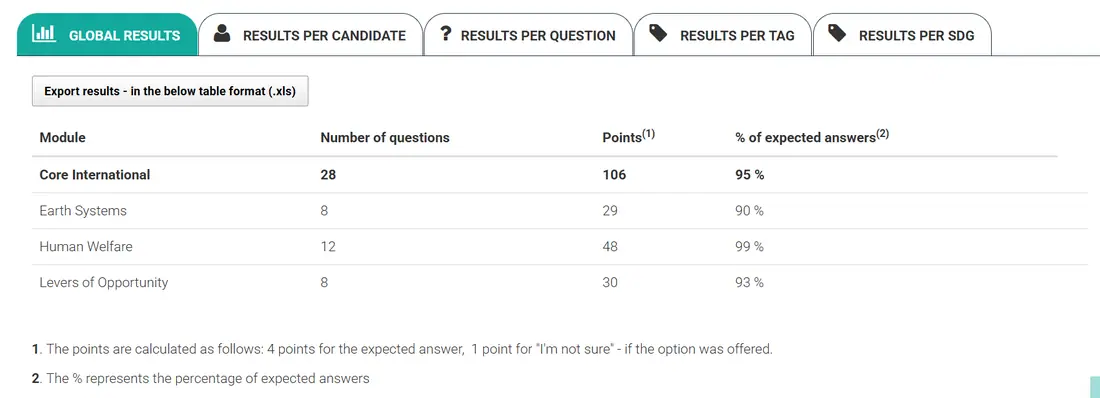
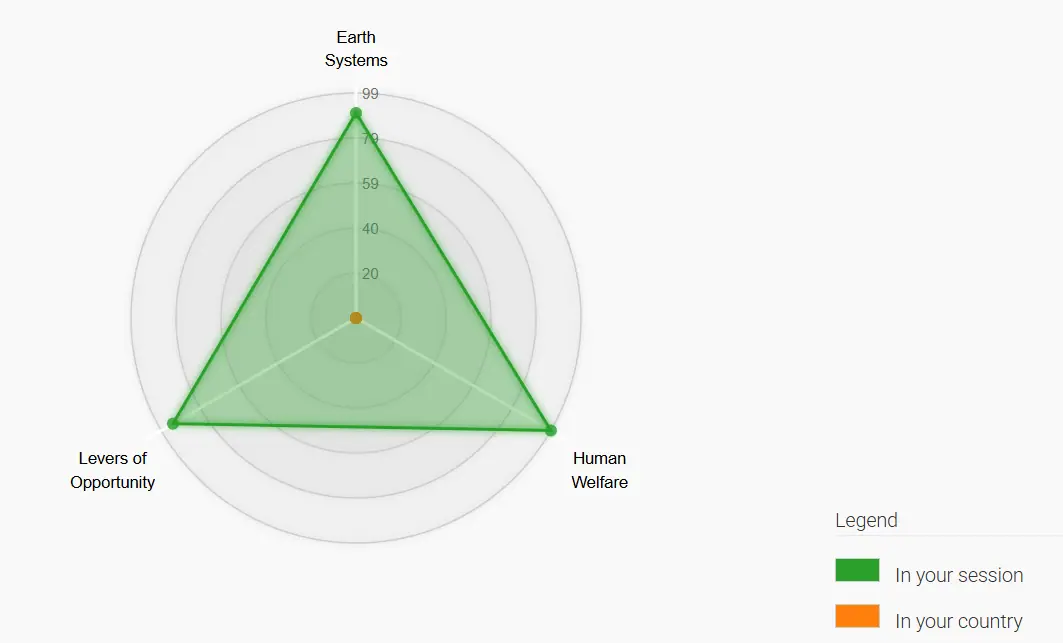
The following screenshots are taken from the Sulitest portal, showcasing the assessment conducted for both students and staff members.
Overall Session Created Page
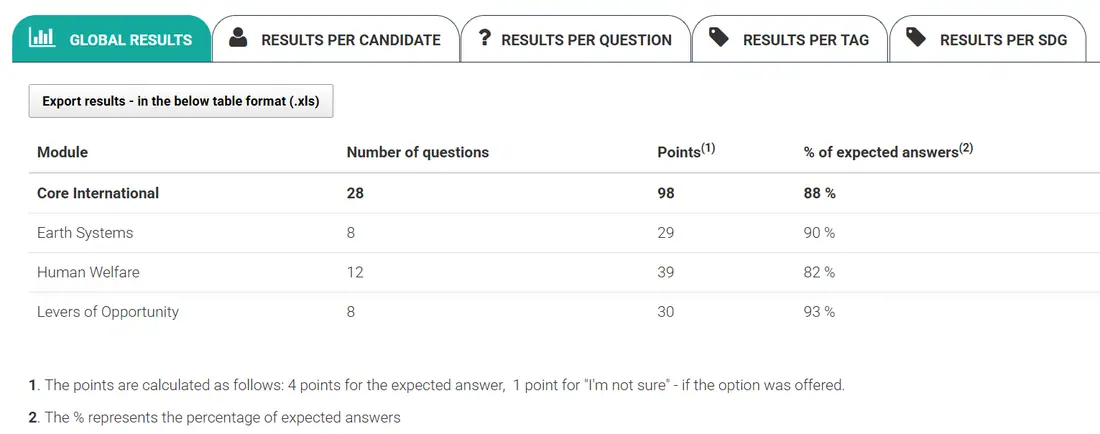
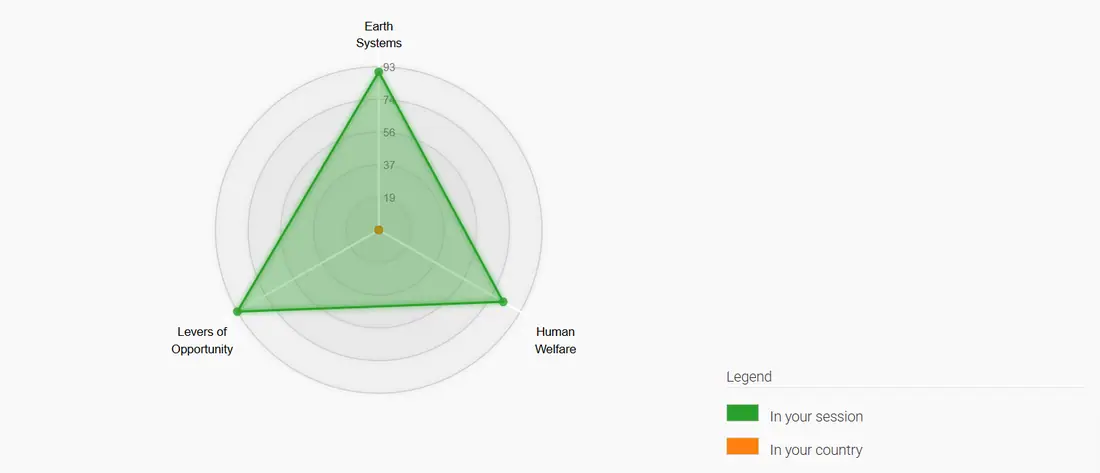
Result Page from Sulitest
School of Engineering and Technology & Computer Science and Engineering
Results per Candidate
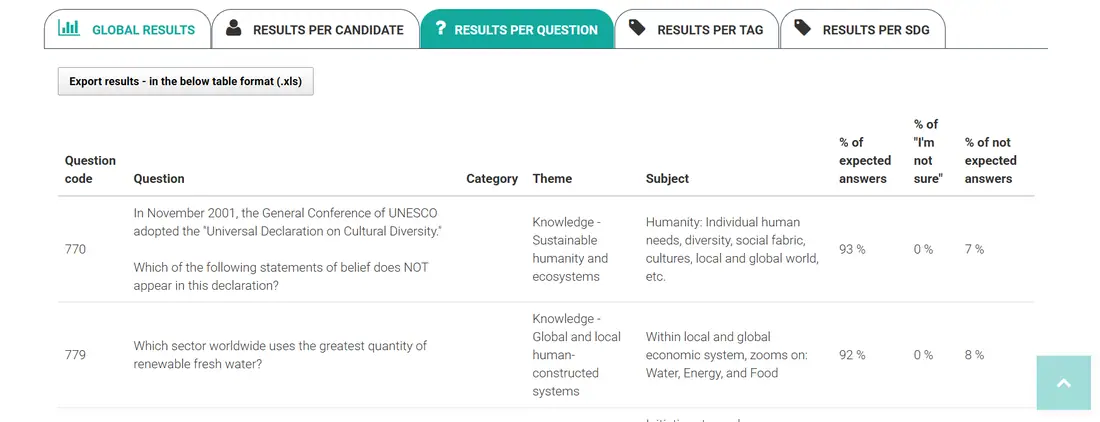
Results per Question
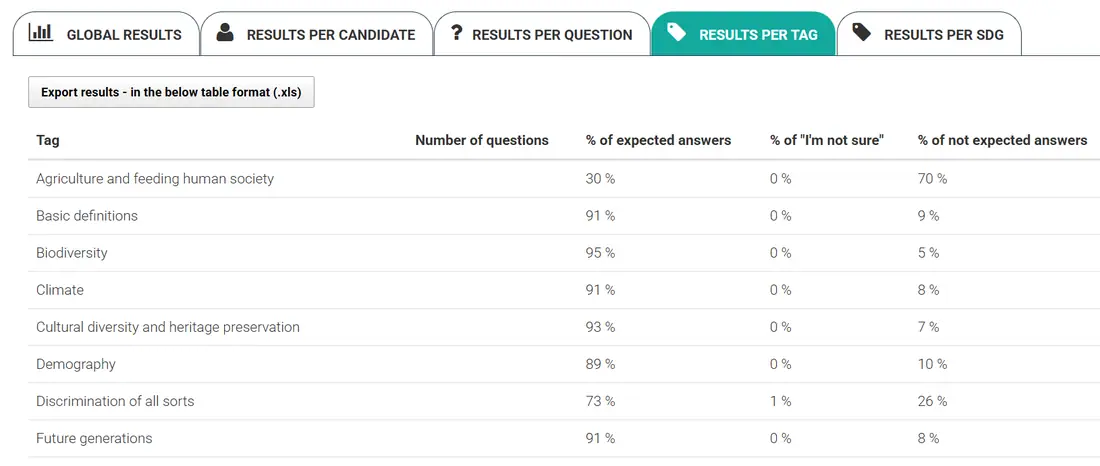
Results per Tag
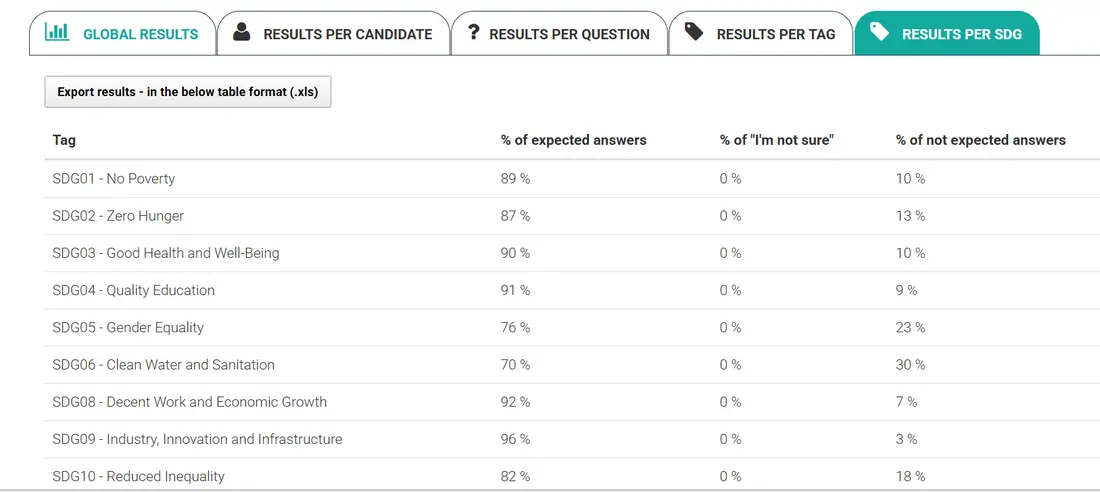
Results per SDG
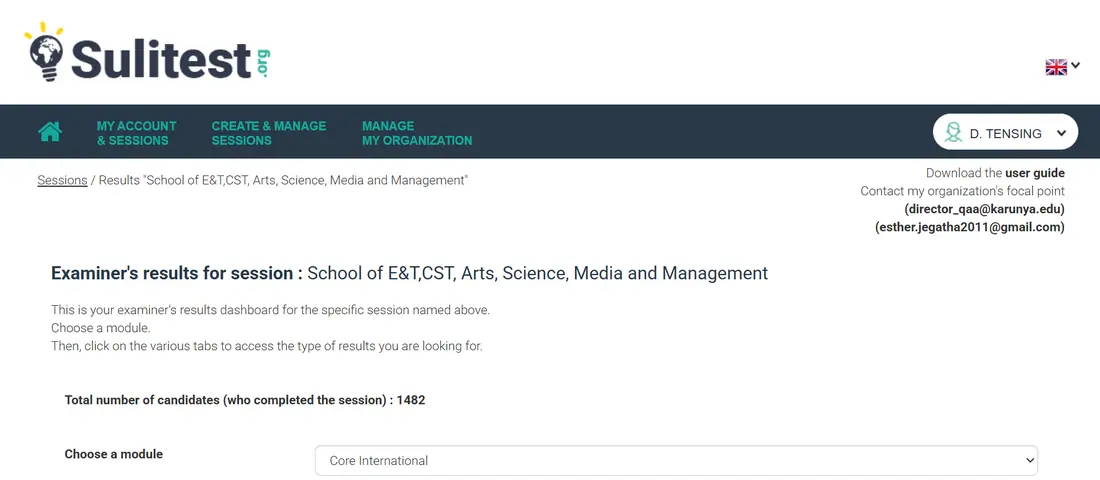
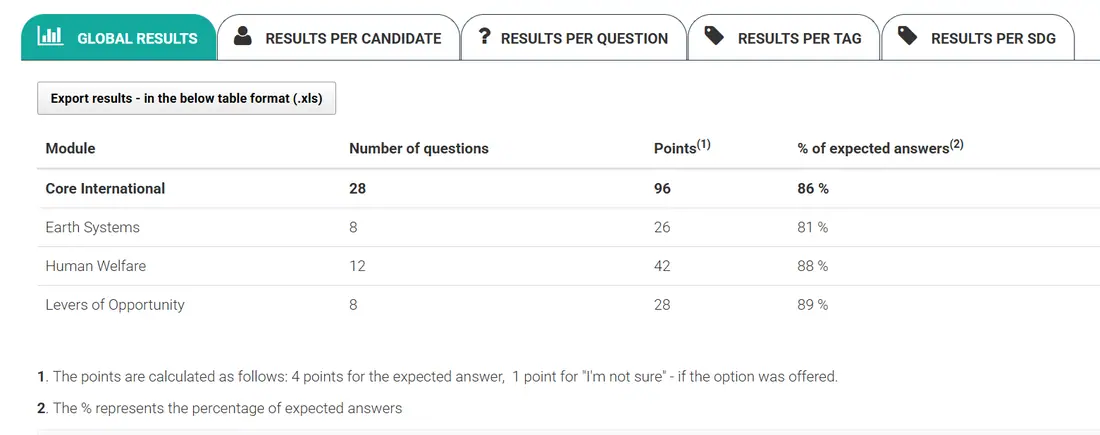
School of E & T, CST, Arts, Media and Management
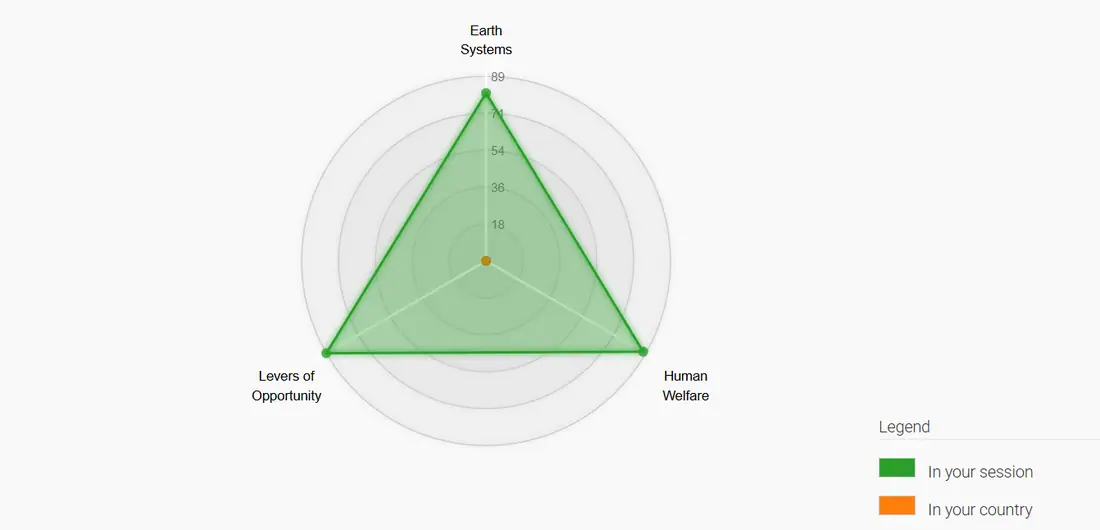
Aerospace Engineering Test Results
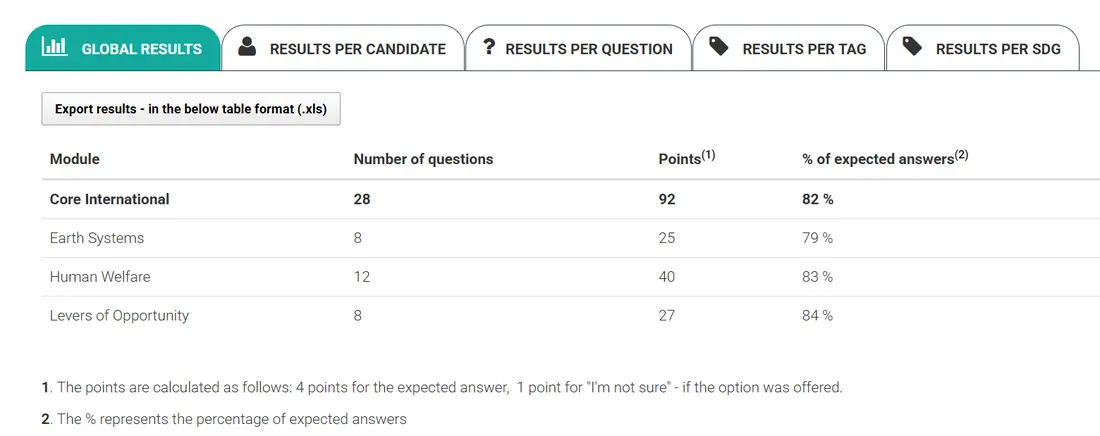
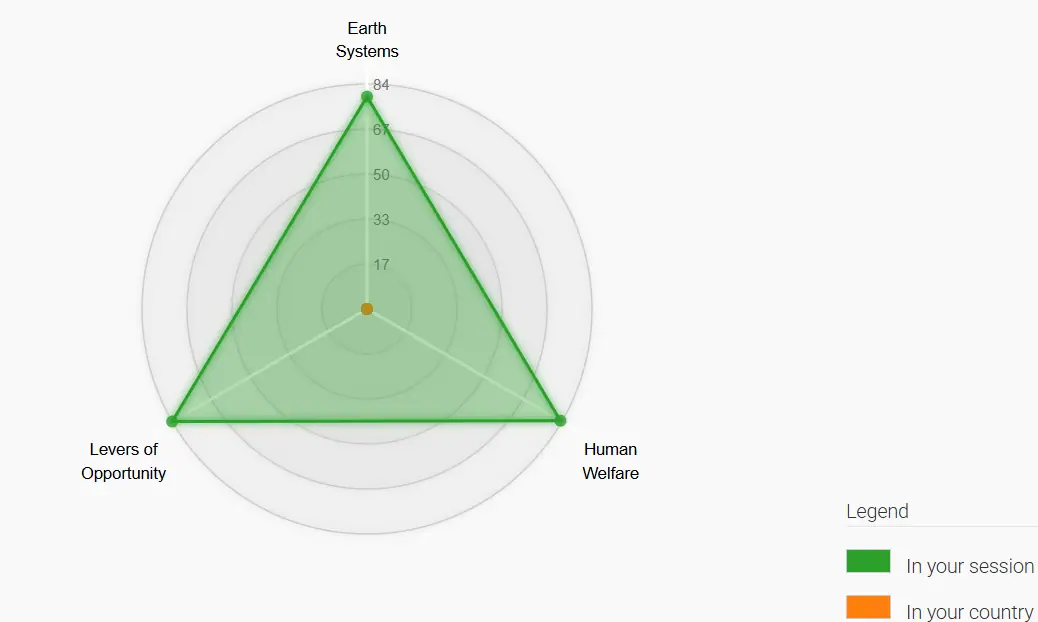
IQAC Faculty Members Test Results
KITS Faculty & Staff
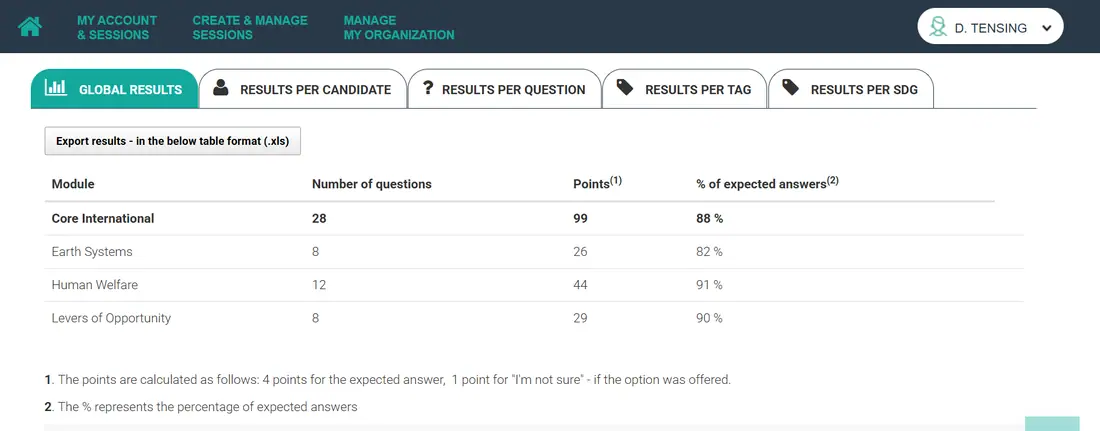
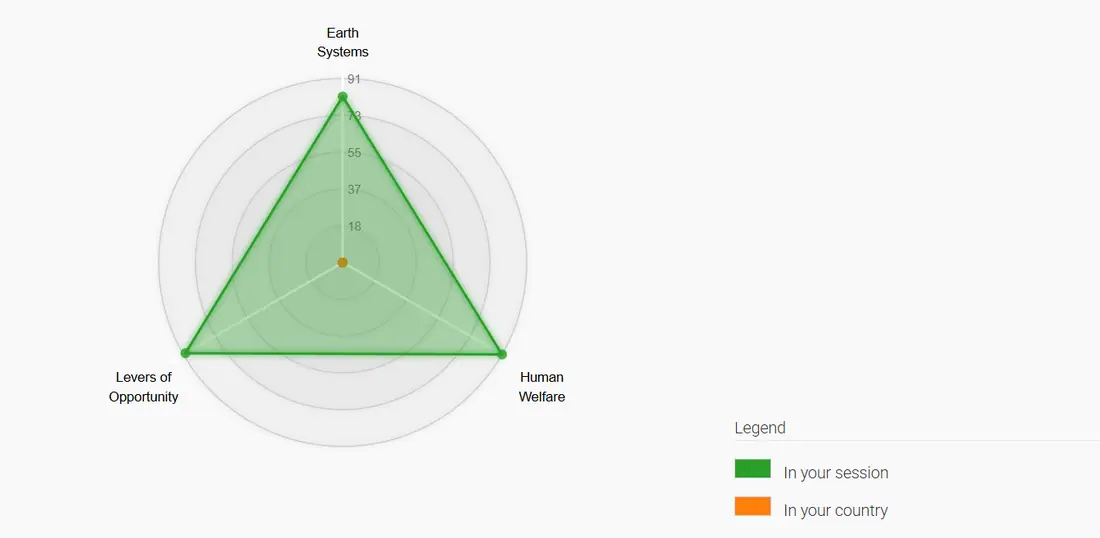
The standardized assessment administered across academic divisions, research scholars, faculty, and administrative staff yielded an Overall Institutional Sustainability Literacy Index of 87.75%, demonstrating superior competency across all four core Sulitest knowledge dimensions:
| Knowledge Dimension / Domain | Tested SDG Competencies & Scope | Institutional Benchmark Score | Global Assessment Performance |
|---|---|---|---|
| Core International Framework | UN 2030 Agenda, multilateral agreements, global boundaries, cross-cutting SDG frameworks | 88% | Substantially exceeds global university average |
| Earth Systems & Planetary Limits | Climate change, biodiversity loss, biogeochemical flows, ocean acidification, water cycles | 84% | Strong scientific foundation across environmental parameters |
| Human Welfare & Social Justice | Poverty eradication, food security, universal healthcare, gender equity, human rights | 89% | Exemplary social responsibility and community orientation |
| Levers of Opportunity & Action | Sustainable technologies, clean energy, circular economy, policy, responsible governance | 90% | Exceptional problem-solving and innovation-driven competency |
| Overall Weighted Institutional Index | Comprehensive Sustainability Literacy Composite Score | 87.75% | High Competency / Gold Standard |
The results demonstrate that the Institution has successfully embedded sustainability awareness across students, faculty, and administrative bodies, achieving high competency levels aligned with global sustainability frameworks.
The strong performance in Human Welfare and Levers of Opportunity indicates a solution-oriented and socially responsible mindset, while continued focus on Earth Systems will further enhance holistic sustainability literacy.
2. Complementary Indirect Sustainability Assessment Mechanisms
KITS employs several indirect methods to assess literacy and knowledge on sustainability, integrating participation, engagement, and experiential learning into its evaluation framework:
Mandatory Non-Academic Credit System: Under the Choice Based Credit System (CBCS), undergraduate students must earn mandatory non-academic credits through active participation in sustainability campaigns, environmental camps, tree plantations, and rural outreach coordinated by the Centre for Extension Activities (NSS, YRC, and Rotaract).
Evaluation through 25 SDG Technology Missions: Faculty and students enroll in one of Karunya’s 25 dedicated Technology & Innovation Missions (including Precision Farming, Water Technology, Green Energy, and Healthcare). Mission milestones, research publications, and working prototypes serve as applied indicators of sustainability literacy.
Innovation & Venture Assessment (MoE Innovation Cell): Student start-ups and incubation projects nurtured under the Karunya Technology Business Incubation Park (KTBIP) and the Ministry of Education’s Innovation Cell (IIC) are evaluated on their life-cycle sustainability, circularity, and commercial impact.
Experiential Learning & Rural Immersion (RAWE / ELP): Agriculture and engineering students undergo the 20-week Rural Agricultural Work Experience (RAWE) and Experiential Learning Programme (ELP), where hands-on community problem-solving and sustainable agricultural practices are formally graded by faculty mentors.
Capstone Project-Based Learning: Final-year undergraduate and postgraduate students are required to address real-world socio-environmental challenges in their capstone design projects, embedding SDG alignment into problem formulation and technical execution.
3. Conclusion & Continuous Sustainability Literacy Strategy
The combined results of the direct Sulitest international assessment (87.75% composite score) and the complementary indirect experiential learning mechanisms confirm that Karunya Institute of Technology and Sciences has successfully institutionalized sustainability literacy across its entire campus ecosystem. The University utilizes these empirical assessment insights to continuously refine course curricula, update laboratory exercises, and expand community immersion projects. Through annual benchmarking and compulsory engagement, KITS ensures that every graduate departs equipped with the knowledge, values, and practical capabilities to champion the United Nations Sustainable Development Goals in their professional careers.